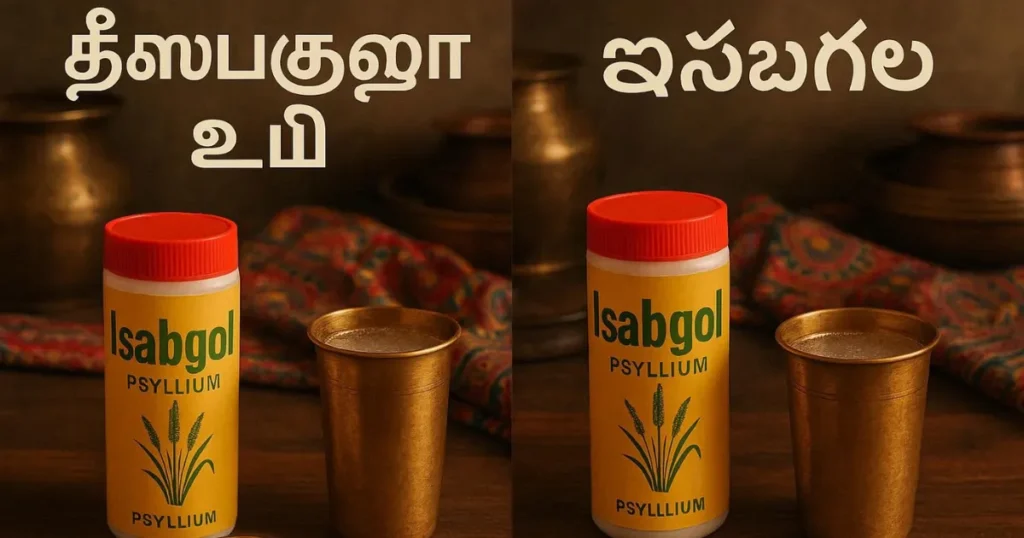
Looking for ispaghula husk in Tamil or wondering what isabgol husk is called in Tamil? The Tamil name is “ஈஸ்பகுலா உமி” (Ispaghula Umi) or simply “ஈசபுகோல்” (Isabgol). Many Tamil-speaking communities also search for psyllium husk in Tamil, which refers to the same fiber supplement known across India and Pakistan for digestive health.
In Telugu, psyllium husk in Telugu is called “ఇసబ్గోల్” (Isabgol) or “సైలియం” (Psyllium). This natural fiber from Plantago ovata seeds has been used in traditional South Indian and Ayurvedic medicine for generations to support digestive wellness, relieve constipation, and promote overall gut health.
In this comprehensive guide, I’ll explain everything about ispaghula husk in Tamil—what it is, its traditional and modern uses, proven health benefits, proper dosage and preparation methods, common Tamil remedies, and how to source quality psyllium whether you’re in Tamil Nadu, Telangana, or anywhere globally.
What Is Ispaghula Husk in Tamil? (ஈஸ்பகுலா உமி என்றால் என்ன?)
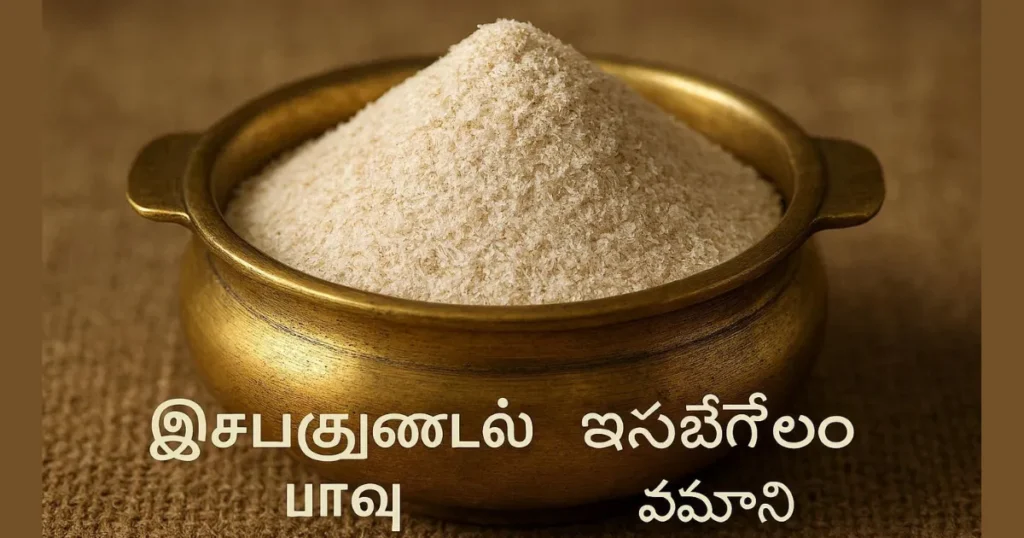
Tamil Names and Terminology
Primary Tamil names:
- ஈஸ்பகுலா உமி (Ispaghula Umi) – Most accurate translation
- ஈசபுகோல் (Isabgol) – Common spoken form
- சைலியம் உமி (Psyllium Umi) – Modern term
The word “உமி” (Umi) means “husk” in Tamil, referring to the outer covering of the seed. This is the part with the highest fiber concentration.
Telugu Names
For Telugu speakers searching for psyllium husk in Telugu:
- ఇసబ్గోల్ (Isabgol) – Most common
- సైలియం గింజలు (Psyllium Ginjalu) – Seeds
- సైలియం పొట్టు (Psyllium Pottu) – Husk
What It Actually Is
Ispaghula husk in Tamil, whether called isabgol or psyllium, comes from the Plantago ovata plant. Pakistan grows the world’s highest-quality psyllium in the Sindh province, though India also produces significant quantities.
Key characteristics:
- Pure soluble fiber (no calories, no nutrients beyond fiber)
- Light cream to pale tan color
- Fine, powdery texture
- Swells 10-12 times in water
- Forms gel-like substance when hydrated
Traditional Tamil and Telugu Uses
In Tamil Siddha Medicine
Tamil Siddha practitioners have used isabgol husk in Tamil remedies for centuries. The Following are the Traditional Tamil preparations:
For constipation (மலச்சிக்கல்):
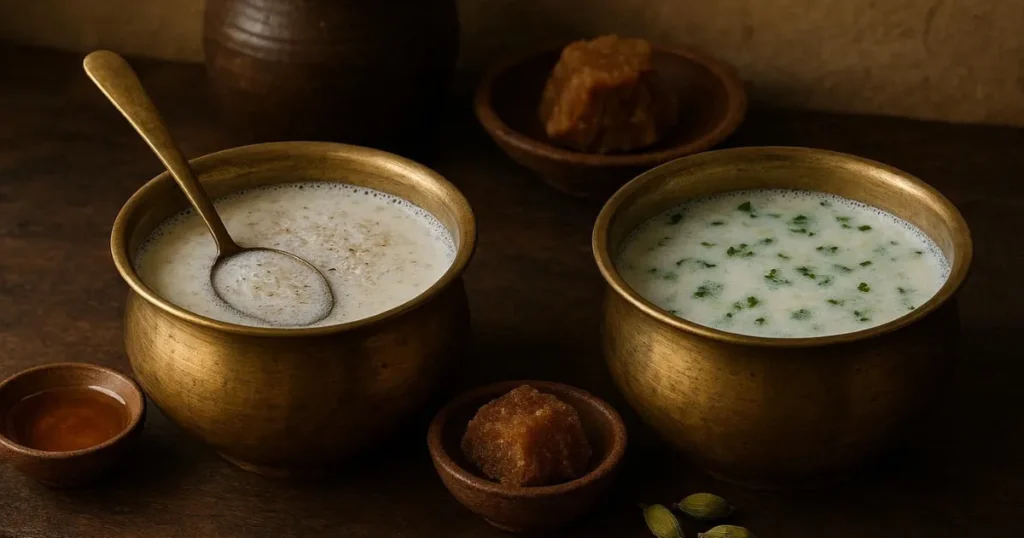
Mix 1 teaspoon ispaghula husk in Tamil with warm milk and honey before bed. This gentle remedy promotes morning bowel movements.
For heat-related issues (உஷ்ணம்):
Combine isabgol with cold milk and rose water. Tamil medicine considers this cooling for the body.
For stomach ulcers (வயிற்றுப்புண்):
Mix psyllium husk in Tamil preparation with buttermilk. The soothing gel coats the stomach lining.
For diarrhea (வயிற்றுப்போக்கு):
Despite seeming contradictory, isabgol husk in Tamil medicine treats both constipation and diarrhea by normalizing stool consistency.
In Telugu Ayurvedic Practice
Telugu-speaking regions use psyllium husk in Telugu (isabgol) similarly:
Common Telugu remedies:
- Mixed with curd for digestive cooling
- Combined with jaggery for gentle cleansing
- Added to buttermilk (majjiga) for heat relief
- Mixed with warm water and honey for constipation
These traditional uses align with modern scientific understanding of psyllium’s benefits.
Health Benefits of Ispaghula Husk in Tamil Usage
Let me explain the scientifically validated benefits that confirm traditional wisdom.
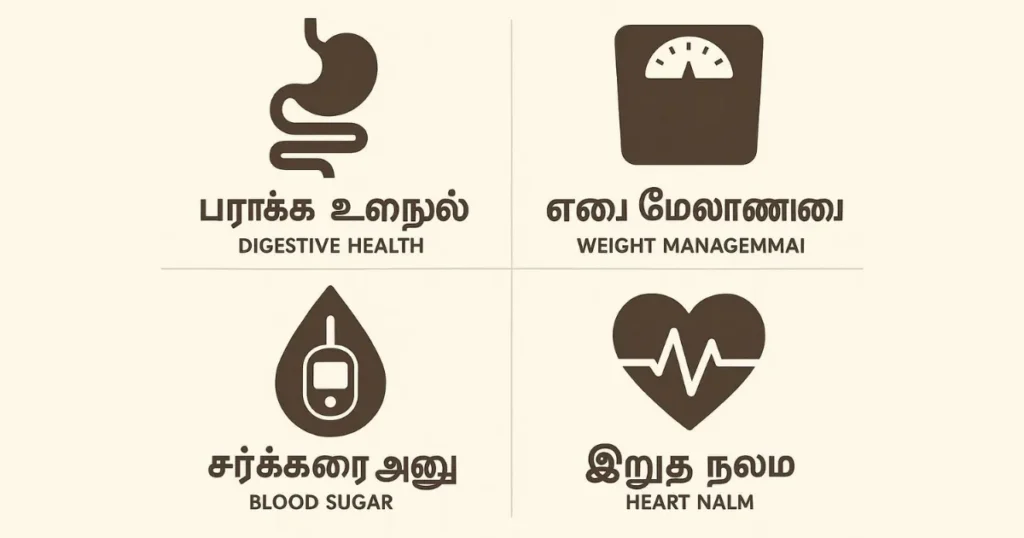
Digestive Health (செரிமான ஆரோக்கியம்)
Constipation relief:
The primary use of isabgol husk in Tamil communities is relieving constipation. The fiber absorbs water, softens stool, and promotes regular bowel movements.
Expected results:
12-24 hours for first bowel movement, regular pattern within 3-5 days.
Diarrhea management:
Psyllium absorbs excess intestinal fluid, firming loose stools. This dual action—relieving both constipation and diarrhea—makes it unique.
Weight Management (எடை மேலாண்மை)
Taking ispaghula husk in Tamil preparation before meals creates fullness, naturally reducing appetite and calorie intake by 10-20%.
Tamil weight loss method:
- 1 teaspoon isabgol with warm water
- 20-30 minutes before lunch and dinner
- Creates satiety without adding calories
Blood Sugar Control (இரத்த சர்க்கரை கட்டுப்பாடு)
Critical for Tamil communities where diabetes prevalence is high. Psyllium husk in Tamil usage slows carbohydrate absorption, preventing blood sugar spikes.
Studies show:
- 15-20% reduction in post-meal glucose
- Improved HbA1c over 8-12 weeks
- Works synergistically with diabetes medications
Heart Health (இதய ஆரோக்கியம்)
Regular use of isabgol husk in Tamil diet reduces cholesterol levels by binding bile acids.
Research findings:
- 5-10% LDL cholesterol reduction
- Improved triglyceride levels
- Reduced cardiovascular disease risk
Gut Microbiome Support
Ispaghula husk in Tamil or any preparation acts as prebiotic, feeding beneficial gut bacteria. This improves overall digestive ecosystem health.
How to Use Ispaghula Husk in Tamil Method
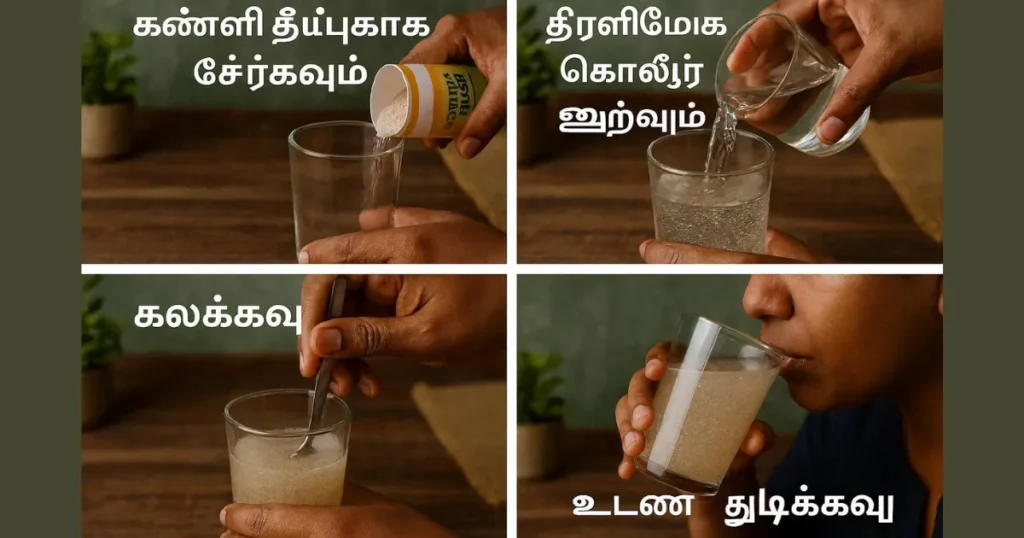
Standard Preparation
Basic method (Tamil style):
Ingredients:
- 1-2 teaspoons (5-10 grams) ispaghula husk in Tamil preparation
- 8-10 ounces warm water, milk, or buttermilk
- Optional: honey, jaggery, or lemon
Steps:
- Add isabgol to empty glass
- Pour liquid over while stirring
- Mix vigorously for 15-20 seconds
- Drink immediately before it thickens
- Follow with more water
Critical: Never let it sit. Psyllium husk in Tamil usage requires immediate consumption after mixing.
Tamil Traditional Recipes
Morning detox (காலை சுத்திகரிப்பு):
- 1 teaspoon isabgol husk in Tamil
- Warm water with lemon juice
- ½ teaspoon honey
- Take on empty stomach
Evening digestive aid:
- 1 teaspoon ispaghula husk
- Warm milk
- Pinch of cardamom
- Small amount of jaggery
- Take 2 hours after dinner
Cooling summer drink:
- 1 teaspoon psyllium husk in Tamil
- Buttermilk or curd
- Pinch of rock salt
- Fresh coriander leaves
- Refreshing and digestive
Telugu Preparation Methods
For those searching psyllium husk in Telugu usage:
Standard Telugu method:
Mix 1 teaspoon isabgol with warm water and consume before bed for morning regularity.
With majjiga (buttermilk):
Traditional Andhra/Telangana preparation combining psyllium with spiced buttermilk for digestive cooling.
Dosage Guidelines for Tamil and Telugu Users
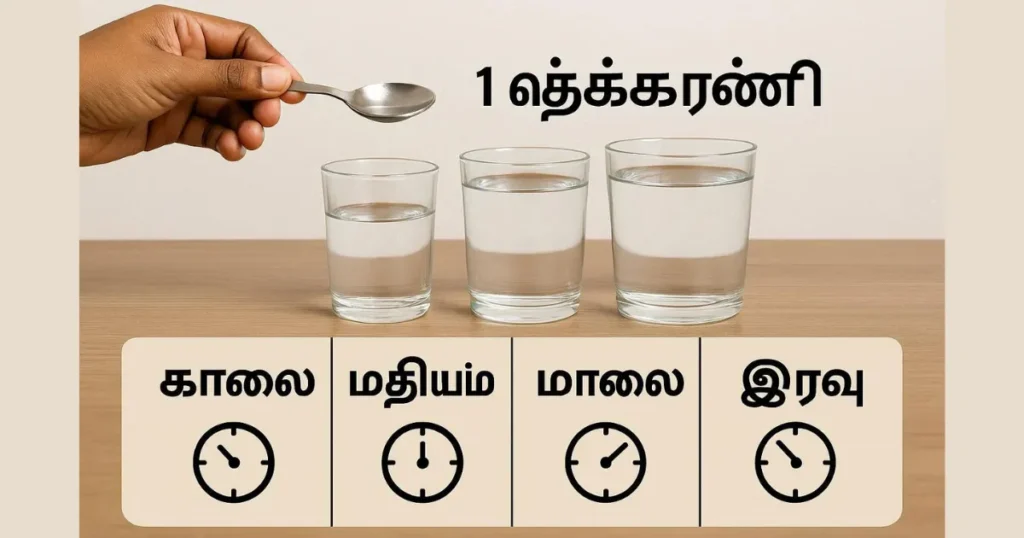
Standard Dosing
Adults:
- Start: 2.5-5 grams (½-1 teaspoon) once daily
- Standard: 5-10 grams (1-2 teaspoons) daily
- Maximum: 15 grams (3 teaspoons) split across day
Children (6-12 years):
- Half adult dose with pediatrician approval
- Increase water proportionally
Elderly:
- Start with 2.5 grams once daily
- Increase gradually based on tolerance
- Extra hydration important
Timing Recommendations
Morning (காலை): Take ispaghula husk in Tamil on empty stomach for bowel movement stimulation.
Before meals (உணவுக்கு முன்): For appetite control and blood sugar management.
Evening (மாலை): 2 hours after dinner for overnight processing and morning regularity.
Hydration Requirements
Critical rule: Minimum 8-10 ounces liquid per teaspoon of isabgol husk in Tamil preparation.
Tamil reminder: “நீர் இல்லாமல் இசபுகோல் இல்லை“ (No isabgol without water)
Inadequate water causes the fiber to absorb intestinal fluid, worsening constipation instead of relieving it.
Where to Buy Quality Ispaghula Husk in Tamil Nadu and Telangana
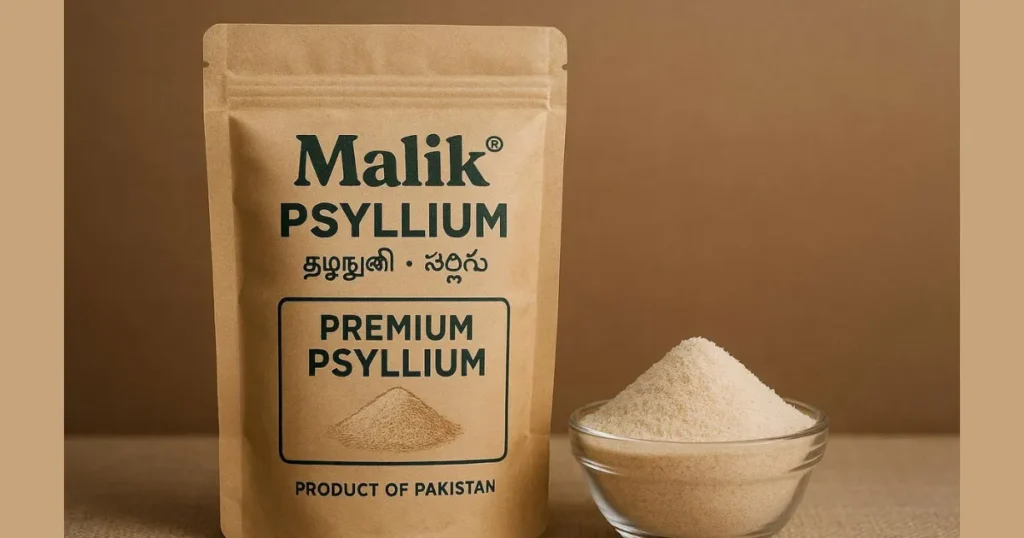
Local Sources
Tamil Nadu:
- Medical shops (மருந்துக் கடைகள்)
- Ayurvedic stores
- Siddha medicine centers
- Health food shops
- Major supermarkets
Telangana:
- Ayurvedic pharmacies
- Medical stores
- Health supplement shops
- Modern retail chains
Ask for: “Isabgol” or “Ispaghula husk” – these terms are universally understood across South India.
Quality Indicators
Look for when buying isabgol husk in Tamil regions:
- Light cream color (not dark brown)
- Fine, uniform powder
- 95%+ purity rating
- Proper packaging (airtight, moisture-protected)
- Clear expiration date
- No added sugars or flavors
Premium quality:
Pakistani psyllium from sources like Malik Psyllium offers superior purity (85-99%) and swelling capacity (12:1) compared to standard products (60-75% purity, 8:1 swelling).
Online Options
For Tamil and Telugu speakers preferring online purchase:
- Major e-commerce platforms deliver throughout India
- Look for verified sellers
- Check reviews from other South Indian buyers
- Ensure proper packaging for safe delivery
Common Questions from Tamil and Telugu Communities
Is Isabgol Heating or Cooling?
Tamil medicine considers isabgol husk in Tamil preparation as cooling (குளிர்ச்சி) for the body, which is why it’s often mixed with milk or buttermilk.
Modern science confirms psyllium doesn’t generate body heat, making it safe for year-round use in hot climates like Tamil Nadu and Telangana.
Can Diabetics Use It?
Yes, absolutely. Psyllium husk in Tamil diabetic management is highly beneficial:
- Slows sugar absorption
- Reduces insulin spikes
- Improves long-term glucose control
- Works with diabetes medications
Tamil diabetic protocol: 1 teaspoon before each main meal with water.
Is It Safe During Pregnancy?
Generally yes, but always consult your doctor first. Many Tamil and Telugu women use isabgol husk during pregnancy for constipation relief, which is common due to hormonal changes.
Pregnancy guidelines:
- Start with small amounts (½ teaspoon)
- Ensure adequate hydration
- Take 2-4 hours away from prenatal vitamins
- Monitor for any discomfort
Can Children Take It?
Yes, from age 6+ with appropriate dosing. Isabgol husk in Tamil households is often given to children for gentle constipation relief.
Children’s dose: Half the adult amount with double attention to hydration.
Side Effects and Precautions
Common Initial Effects
When starting ispaghula husk in Tamil or any preparation:
- Mild gas or bloating (first 3-7 days)
- Increased thirst
- More frequent bowel movements
These typically resolve as your body adapts.
When to Avoid
Don’t use isabgol husk in Tamil preparation if you have:
- Difficulty swallowing (dysphagia)
- Intestinal obstruction
- Allergic reaction to psyllium (rare)
- Appendicitis symptoms
Important Warnings
Caution with medications (மருந்துகளுடன் கவனம்): Take psyllium 2-4 hours away from all medications to prevent absorption interference.
Choking prevention: Never consume dry psyllium powder. Always mix with adequate liquid first.
Quality Matters: Pakistani vs Indian Psyllium
While both Pakistan and India produce psyllium, quality differences exist.
Pakistani psyllium (Sindh province):
- 85-99% purity
- 12:1 swelling ratio
- Finer particle size
- Lighter color
- More consistent results
Indian psyllium (Gujarat, Rajasthan):
- 60-75% typical purity
- 8:1 swelling ratio
- Variable quality
- Darker color often
- More affordable usually
For Tamil and Telugu users seeking best results, premium Pakistani psyllium provides superior effectiveness even at smaller doses.
Modern Research Supporting Traditional Tamil Use
Recent studies validate what Tamil Siddha and Telugu Ayurvedic practitioners have known for centuries.
Clinical Evidence
Digestive health studies:
Multiple trials confirm isabgol husk in Tamil and global usage relieves both constipation and IBS symptoms in 60-70% of users within 2-4 weeks.
Metabolic studies:
Research shows 7-10 grams daily reduces LDL cholesterol by 5-10% and improves glycemic control in diabetics.
Weight management studies:
Participants taking psyllium before meals consumed 10-15% fewer calories naturally and lost significantly more weight than controls.
This scientific validation confirms the wisdom of traditional ispaghula husk in Tamil medicine.
What is ispaghula husk called in Tamil?
Ispaghula husk in Tamil is “ஈஸ்பகுலாஉமி” (Ispaghula Umi) or “ஈசபுகோல்” (Isabgol). Both names refer to the same fiber supplement used for digestive health.
What is isabgol husk in Tamil language?
Isabgol husk in Tamil is “ஈசபுகோல்உமி” (Isabgol Umi). The word “உமி” means husk, referring to the fiber-rich outer seed covering.
How do you say psyllium husk in Tamil?
Psyllium husk in Tamil is “சைலியம்உமி” (Psyllium Umi) or more commonly “ஈசபுகோல்” (Isabgol). All terms refer to the same product.
What is psyllium husk called in Telugu?
Psyllium husk in Telugu is “ఇసబ్గోల్” (Isabgol) or “సైలియంపొట్టు” (Psyllium Pottu). It’s widely available in Andhra Pradesh and Telangana medical shops.
How much isabgol should Tamil users take daily?
Start with 1 teaspoon (5 grams) once daily with 8-10 ounces liquid. Standard dose is 1-2 teaspoons daily. Maximum 3 teaspoons split across the day.
Can diabetics use ispaghula husk in Tamil preparation?
Yes, isabgol is excellent for diabetics. Take 1 teaspoon before meals to reduce blood sugar spikes. It slows carbohydrate absorption and improves glycemic control safely.
Where can I buy isabgol husk in Tamil Nadu?
Available at medical shops (மருந்துக் கடைகள்), Ayurvedic stores, Siddha medicine centers, and major supermarkets throughout Tamil Nadu. Ask for “Isabgol” or “Ispaghula.”
Is isabgol safe for children in Tamil families?
Yes, for children 6+ years. Use half the adult dose (½ teaspoon) with adequate water (8+ ounces). Ensure proper hydration and consult pediatrician if concerns exist.
Conclusion
Understanding ispaghula husk in Tamil (ஈஸ்பகுலா உமி) or isabgol husk in Tamil—along with psyllium husk in Tamil and Telugu names—helps Tamil and Telugu-speaking communities access this powerful natural fiber for digestive health, weight management, blood sugar control, and overall wellness. Whether you call it ispaghula, isabgol, or psyllium, this remarkable fiber from Plantago ovata seeds offers the same exceptional benefits validated by both centuries of traditional South Indian medicine and modern scientific research.
The key to success lies in proper preparation—always mixing 1-2 teaspoons with adequate liquid (minimum 8-10 ounces), drinking immediately before it thickens, and maintaining consistent daily use for 1-2 weeks to see full benefits. Tamil traditional preparations with milk, buttermilk, or honey, and Telugu methods using majjiga or curd all work excellently, providing not just fiber benefits but also cultural comfort and familiarity. Start with small amounts (½-1 teaspoon daily), increase gradually based on tolerance, never compromise on hydration, and give your digestive system time to adapt.
Quality significantly impacts results—premium Pakistani psyllium with 85-99% purity and 12:1 swelling capacity from sources like Malik Psyllium delivers superior effectiveness compared to lower-grade alternatives, requiring smaller doses for equivalent benefits. Whether you’re in Tamil Nadu, Telangana, or anywhere globally, incorporating ispaghula husk in Tamil traditional methods or modern approaches provides a safe, natural, scientifically validated solution for digestive wellness that honors both cultural wisdom and contemporary health science.

Isabgol Ke Fayde – Psyllium Husk Ke Poori Science-Based Rahnumayi – 2026
Isabgol ke fayde jaanna aaj ke daur mein zyada zaroori
Isabgol Benefits in Hindi | Psyllium Husk Ke Fayde, Sahi Upyog Aur Savdhaniyan – 2026
Agar aap isabgol benefits in hindi mein samajhna chahte hain,