
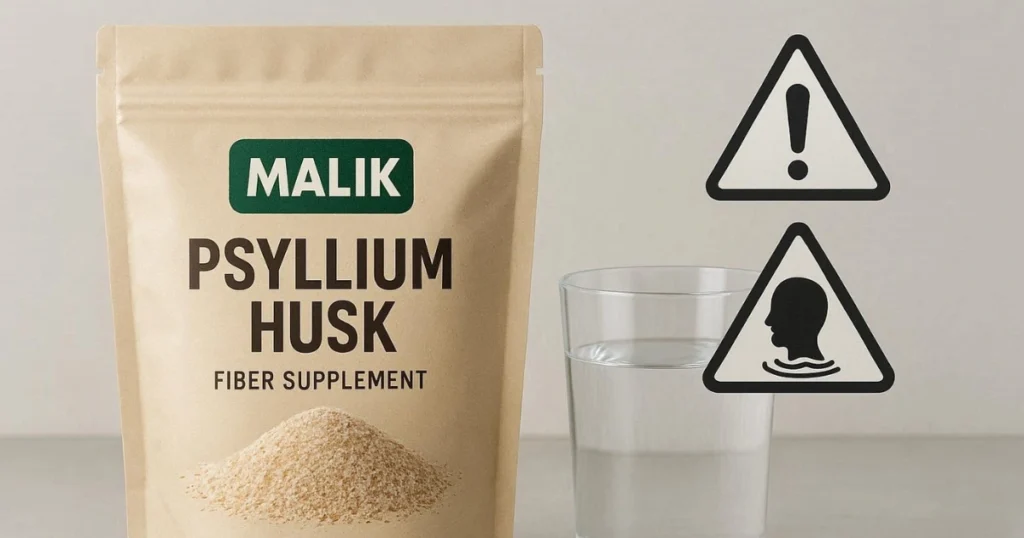
Psyllium husk is one of nature’s most effective fiber supplements, but like any powerful natural remedy, it comes with considerations you need to understand. The internet is full of conflicting information about psyllium husk dangers and risks, which creates unnecessary fear while overlooking legitimate safety concerns.
Let me set the record straight. After working directly with psyllium cultivation and processing for decades, I’ve seen both the remarkable benefits and the occasional problems that arise from improper use. Most psyllium husk dangers are completely preventable with proper knowledge and usage habits.
This guide covers everything you need to know about psyllium husk risks, from minor digestive adjustments to serious contraindications. You’ll learn how to use psyllium safely, when to avoid it entirely, and how psyllium husk detox works in your body. Whether you’re considering psyllium for the first time or experiencing unexpected side effects, this comprehensive overview will help you make informed decisions about this powerful fiber supplement.
Understanding Psyllium Husk: What It Is and How It Works
Psyllium husk comes from the seeds of Plantago ovata, a plant cultivated primarily in Pakistan and parts of South Asia. The husk is the outer coating of the seed, containing about 70% soluble fiber that forms a gel-like substance when mixed with water.
This gel-forming action is both psyllium’s greatest strength and the source of most psyllium husk dangers. When used correctly, it promotes digestive health, regulates blood sugar, and supports cardiovascular wellness. When used improperly – particularly without adequate water – it can cause obstruction, severe constipation, and other complications.
The key to safe usage lies in understanding this mechanism. Psyllium needs sufficient liquid to work properly. Without it, the fiber can swell in your esophagus or intestines, creating blockages rather than promoting healthy elimination.
Real Psyllium Husk Dangers You Should Know
Choking and Esophageal Obstruction
The most serious psyllium husk danger is choking or esophageal blockage. This occurs when psyllium powder is consumed without adequate liquid or when someone has difficulty swallowing. The fiber swells rapidly, potentially blocking the throat or esophagus.
Prevention strategy:
- Always mix psyllium with at least 8 ounces of liquid
- Drink immediately after mixing
- Follow with another 8 ounces of water
- Never take dry powder directly
I’ve witnessed cases where people tried to swallow psyllium powder dry, thinking it would be more convenient. This is extremely dangerous and can require emergency medical intervention.
Intestinal Blockage Risk
For individuals with existing digestive strictures, adhesions, or conditions like Crohn’s disease, psyllium poses a genuine obstruction risk. The expanding fiber can become lodged in narrowed sections of the intestine, creating a medical emergency.
High-risk conditions:
- Intestinal strictures or narrowing
- Recent abdominal surgery
- History of bowel obstruction
- Diverticulitis during flare-ups
- Severe inflammatory bowel disease
If you have any of these conditions, consult your gastroenterologist before using psyllium. This isn’t just a precaution – it’s essential for your safety.
Allergic Reactions
Though relatively rare, psyllium allergies do exist. I’ve encountered clients who developed reactions ranging from mild itching to severe anaphylaxis. Healthcare workers exposed to psyllium powder occupationally face higher allergy risks due to repeated inhalation.
Allergy symptoms to watch for:
- Skin rash or hives
- Difficulty breathing or wheezing
- Swelling of face, lips, or tongue
- Chest tightness
- Severe itching
If you experience any allergic symptoms, discontinue use immediately and seek medical attention. First-time users should start with minimal doses to test tolerance.

Medication Interference
One of the most overlooked psyllium husk risks involves drug interactions. The gel-forming fiber can bind to certain medications, reducing their absorption and effectiveness. This creates potentially dangerous situations for people managing chronic conditions.
Medications affected by psyllium:
- Diabetes medications (insulin, metformin).
- Thyroid hormones (levothyroxine).
- Heart medications (digoxin).
- Antidepressants (lithium, tricyclics).
- Blood thinners (warfarin).
- Antibiotics.
- Seizure medications (carbamazepine).
Safe timing protocol:
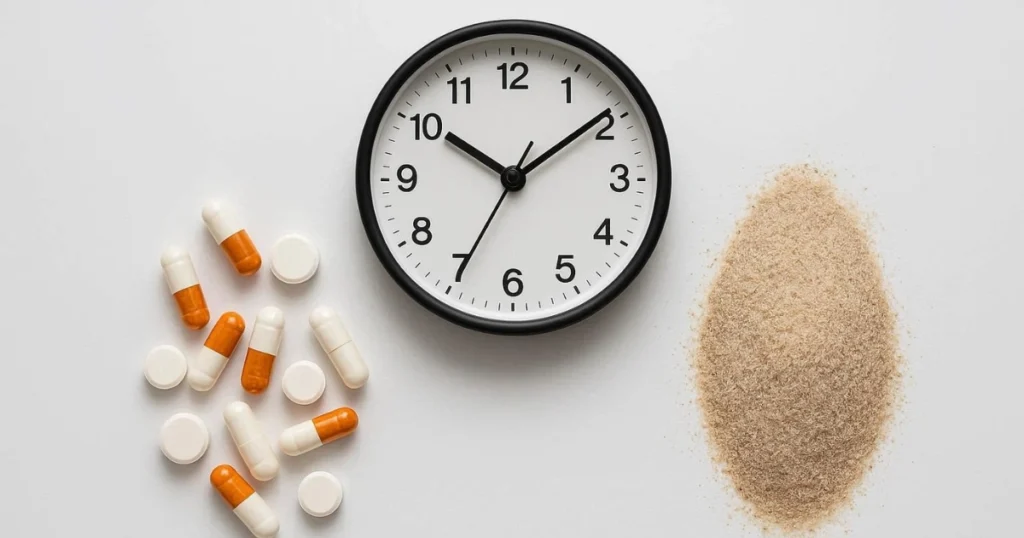
Take psyllium at least 2-4 hours before or after medications. For critical medications like thyroid hormones, I recommend a 4-hour separation. Always consult your healthcare provider about specific timing for your prescriptions.
Common Psyllium Husk Risks: Minor but Important.
Digestive Discomfort During Adjustment.
Most people experience some digestive changes when starting psyllium. These aren’t true dangers but can be uncomfortable if unexpected.
- Typical adjustment symptoms:
- Gas and bloating (days 1-7).
- Mild cramping.
- Changes in stool consistency.
- Increased bowel movements.
These symptoms usually resolve within 7-10 days as your gut bacteria adapt to increased fiber. If symptoms persist beyond two weeks or worsen, reduce your dose or discontinue use.
Dehydration Risk.
This is perhaps the most underestimated of psyllium husk risks. Because psyllium absorbs significant water, insufficient fluid intake can lead to dehydration and paradoxical constipation.
Hydration requirements:
- Minimum 8-10 glasses of water daily.
- Additional fluids if exercising or in hot climates.
- Spread water intake throughout the day.
- Don’t rely solely on the water mixed with psyllium.
Dehydration symptoms while taking psyllium include headache, dark urine, dizziness, and worsening constipation. If you struggle to drink adequate water, psyllium may not be the right fiber choice for you.
Nutrient Absorption Concerns.
Long-term, excessive psyllium use may slightly reduce absorption of fat-soluble vitamins (A, D, E, and K) and certain minerals. This typically only becomes problematic with doses exceeding 20-30 grams daily for extended periods.
Mitigation strategies:
- Stick to recommended doses (5-10 grams daily).
- Take psyllium between meals, not with meals.
- Ensure a nutrient-rich diet.
- Consider periodic breaks from supplementation.
Understanding Psyllium Husk Detox: Facts vs. Fiction.
The concept of psyllium husk detox has gained popularity, but there’s significant misinformation circulating. Let me clarify what psyllium actually does and what it doesn’t.
What Psyllium Detox Really Means.
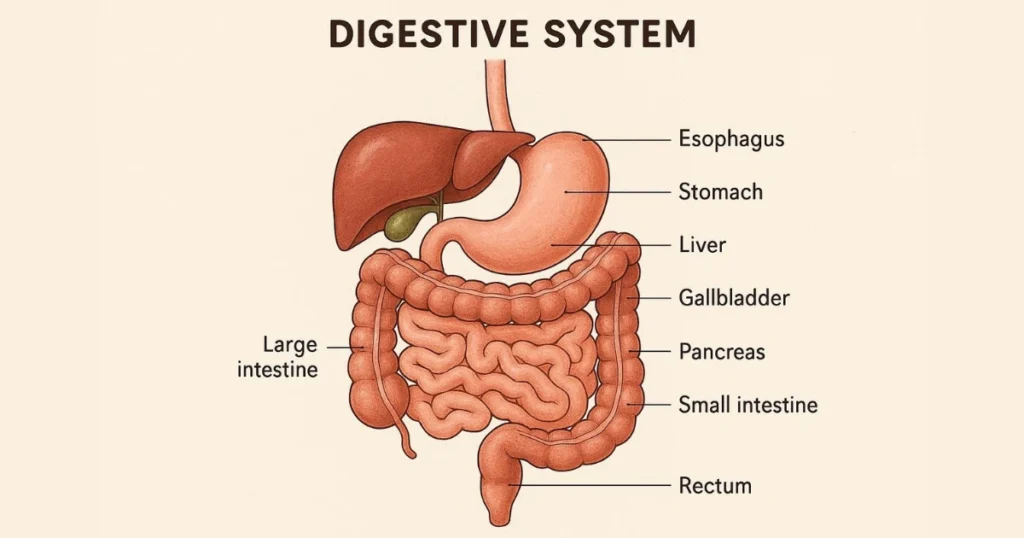
Psyllium doesn’t “detoxify” in the way many wellness influencers claim. Your liver and kidneys handle actual toxin removal. However, psyllium does support your body’s natural elimination processes in several legitimate ways:
Real detox mechanisms:
- Binds to bile acids, promoting cholesterol elimination.
- Bulk stool, speeding transit time through the intestines.
- Reduces the time waste products spend in your colon.
- Feeds beneficial gut bacteria that support immune function.
- Helps remove excess hormones through fecal excretion.
This isn’t mystical “cleansing” – it’s basic physiology. Psyllium improves the efficiency of your body’s existing elimination systems.
The Dangerous Side of Detox Claims.
Some sources recommend extremely high doses of psyllium for intense “cleanses.” This creates real psyllium husk dangers:
- Unsafe detox practices:
- Megadoses exceeding 30-40 grams daily.
- Combining psyllium with laxatives.
- “Cleanse” protocols lasting weeks without medical supervision.
- Restricting food while taking large fiber doses.
These extreme approaches can cause severe dehydration, electrolyte imbalances, nutrient deficiencies, and intestinal damage. True detoxification doesn’t require punishing your digestive system.
Safe, Effective Approach to Psyllium Detox.
If you want to use psyllium husk detox benefits, follow evidence-based protocols:
Sensible detox method:
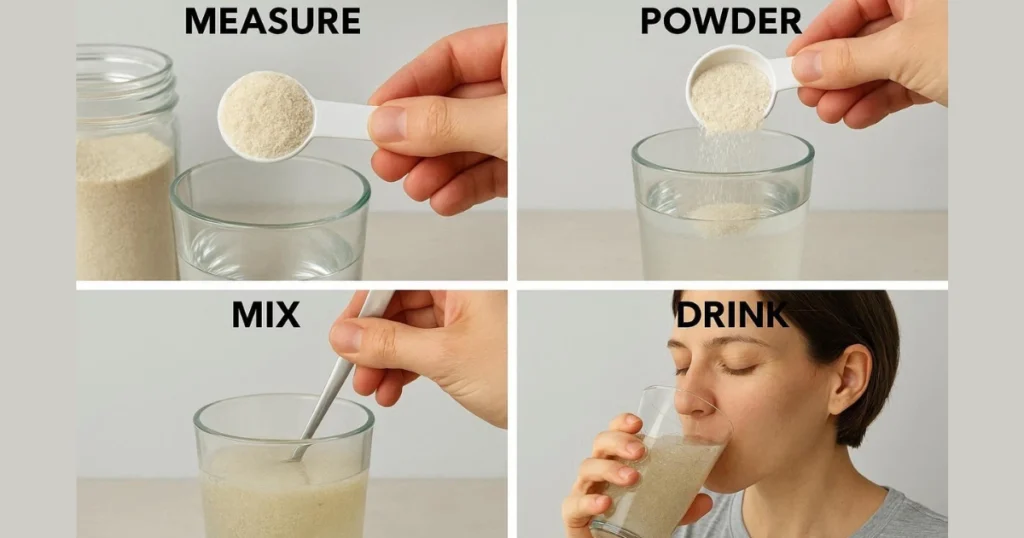
- Start with 5 grams (1 teaspoon) daily.
- Take with 10-12 ounces of water.
- Gradually increase to a maximum of 10-15 grams daily.
- Use for 2-4 weeks, then evaluate results.
- Maintain normal, healthy eating.
- Ensure 10-12 glasses of water daily.
This approach supports your body’s natural processes without creating health risks. You’ll experience improved regularity, possible cholesterol reduction, and better digestive comfort – all the real benefits without the dangers.
Who Should Avoid Psyllium Entirely?
Certain individuals face elevated psyllium husk risks and should avoid it completely or use it only under medical supervision.
Absolute Contraindications.
Do not use psyllium if you have:
- Difficulty swallowing (dysphagia).
- Known psyllium allergy.
- Current bowel obstruction.
- Appendicitis.
- Undiagnosed abdominal pain.
- Fecal impaction.
These situations make psyllium use potentially dangerous. Alternative fiber sources or medical treatments are necessary.
Use with Extreme Caution.
Consult your doctor before using if you have:
- Inflammatory bowel disease (Crohn’s, ulcerative colitis).
- History of intestinal surgery or adhesions.
- Diverticular disease.
- Narrowing of the GI tract.
- Kidney disease requiring fluid restriction.
Your healthcare provider can help determine if psyllium is appropriate for your specific situation and recommend proper dosing.
Psyllium Husk Risks vs. Benefits: An Honest Assessment.
| Aspect | Potential Risks | Proven Benefits | Risk Mitigation |
| Digestive Health | Initial bloating, gas | Improved regularity, IBS relief | Start slowly, increase water |
| Hydration | Dehydration if inadequate water | Better stool consistency | 10-12 glasses water daily |
| Medication Use | Reduced drug absorption | Natural blood sugar support | 2-4 hour separation timing |
| Allergies | Rare allergic reactions | Generally well-tolerated | Start with test dose |
| Choking Risk | If taken dry or improperly | Safe when properly prepared | Always mix with liquid |
| Cardiovascular | None if used correctly | Lower cholesterol, blood pressure | Follow dosing guidelines |
The table above shows that most psyllium husk dangers are entirely preventable with proper usage. The benefits significantly outweigh the risks for most healthy individuals who follow guidelines.
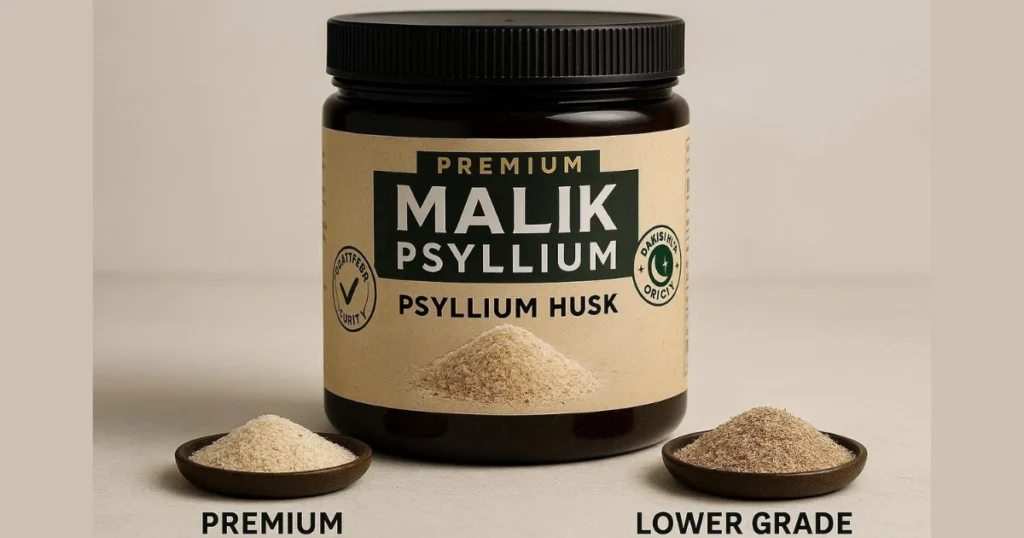
Quality Matters: Reducing Risks through Premium Products.
The purity and processing quality of psyllium significantly impacts safety. Low-quality psyllium may contain contaminants, excessive dust (increasing allergy risk), or inconsistent fiber content (creating dosing problems).
Pakistan produces the world’s finest psyllium husk, with purity levels often reaching 95-99%. The ideal growing conditions in Sindh province create psyllium with optimal mucilage content and minimal impurities. At Malik Psyllium, our multi-stage cleaning and processing ensures maximum purity and safety.
- When selecting psyllium:
- Verify the source country (Pakistani psyllium is premium).
- Check for purity percentages (95%+ is ideal).
- Look for dust-free processing.
- Choose reputable manufacturers with quality controls.
Higher quality means fewer digestive side effects, more consistent results, and reduced contamination risks.
Safe Psyllium Usage: Step-by-Step Protocol.
Based on decades of experience, here’s my recommended approach for minimizing psyllium husk risks while maximizing benefits:
Starting Protocol (Week 1-2).
Day 1-3:
- Take 1/2 teaspoon (2.5 g) once daily.
- Mix with 10 ounces of water, drink immediately.
- Follow with another 8 ounces of water.
- Take 2 hours after breakfast.
Day 4-7:
- Increase to 1 teaspoon (5g) once daily.
- Same liquid protocol.
- Monitor bowel movements and comfort.
Day 8-14:
- Continue 1 teaspoon or increase to 1.5 teaspoons if well-tolerated.
- Consider splitting the dose (morning and evening).
Maintenance Protocol.
Once adjusted, most people do well with:
- 1-2 teaspoons (5-10g) daily.
- Split into 1-2 doses.
- Always with 8-10 ounces of liquid per dose.
- Minimum 10 glasses of water throughout the day.
Warning Signs to Stop Immediately.
- Discontinue psyllium and contact your doctor if you experience:
- Difficulty swallowing or breathing.
- Severe abdominal pain.
- Chest pain or pressure.
- Vomiting.
- No bowel movement for 3+ days despite taking psyllium.
- Bloody stools.
- Severe allergic symptoms.
These symptoms may indicate serious complications requiring medical evaluation.
Myths about Psyllium Husk Dangers.
Myth 1: “Psyllium Causes Dependency”.
False. Unlike stimulant laxatives, psyllium doesn’t cause dependency. Your bowels don’t “forget” how to work. However, stopping suddenly after long-term use may temporarily reduce stool bulk until your body adjusts.
Myth 2: “All Fiber Supplements Carry the Same Risks”.
Not true. Different fibers work differently. Psyllium’s gel-forming action creates specific risks (like choking if taken improperly) that non-gel-forming fibers don’t have. However, it also provides unique benefits.
Myth 3: “Natural Means Completely Safe”.
This dangerous assumption causes problems. Psyllium is natural but powerful. “Natural” doesn’t equal “risk-free.” Proper usage and awareness of contraindications remain essential.
Myth 4: “You Can’t Take Too Much Fiber”.
Wrong. Excessive fiber causes genuine problems: digestive distress, nutrient malabsorption, dehydration, and potential blockages. More isn’t better – proper dosing is better.
Real-World Experience: Lessons from Decades with Psyllium.
Throughout my career, I’ve seen patterns in who experiences problems with psyllium. The vast majority of issues stem from:
- Poor water intake: Accounting for roughly 70% of complaints.
- Excessive doses: About 15% of problems.
- Pre-existing contraindications: Around 10%
- Medication timing issues: Approximately 5%.
The people who thrive on psyllium follow simple rules: adequate hydration, gradual introduction, proper dosing, and timing separation from medications. It’s not complicated, but attention to detail matters.
I’ve worked with clients managing everything from diabetes to high cholesterol to chronic constipation. Those who respect psyllium husk risks while leveraging its benefits experience transformative results. Those who ignore guidelines face preventable problems.
Making an Informed Decision.
Understanding psyllium husk dangers doesn’t mean avoiding this beneficial supplement – it means using it intelligently. Most risks are completely preventable with proper preparation, dosing, and hydration.
Consider psyllium if you:
- Need gentle, reliable fiber supplementation.
- Want to support healthy cholesterol levels.
- Struggle with irregular bowel movements.
- Need blood sugar support.
- Have discussed it with your healthcare provider.
Avoid or reconsider if you:
- Can’t commit to drinking adequate water.
- Have swallowing difficulties.
- Have structural digestive problems.
- Take multiple medications and can’t manage timing.
- Have contraindicated health conditions.
The decision should be individualized, informed, and ideally made with professional guidance.
What are the main psyllium husk dangers to watch for?
The primary dangers include choking risk if taken without adequate liquid, intestinal blockage in people with digestive strictures, allergic reactions, medication interference, and dehydration. Most are preventable with proper usage.
Can psyllium husk cause serious health problems?
Yes, psyllium husk risks include serious complications like esophageal or intestinal obstruction if used improperly or by people with contraindications. However, these are rare when guidelines are followed correctly.
How much water do I need with psyllium to avoid dangers?
Mix each dose with at least 8-10 ounces of liquid and drink immediately, followed by another 8 ounces. Aim for 10-12 total glasses throughout the day to prevent dehydration risks.
Is psyllium husk detox safe or dangerous?
Psyllium husk detox is safe when done properly – using moderate doses (5-10g daily), adequate hydration, and normal eating. Extreme “cleanse” protocols with megadoses are dangerous and unnecessary.
Can I take psyllium with my medications safely?
Psyllium can reduce medication absorption. Take it 2-4 hours away from all medications, especially critical ones like thyroid hormones, diabetes drugs, and heart medications. Consult your doctor about specific timing.
Who should never take psyllium husk?
People with difficulty swallowing, psyllium allergies, bowel obstruction, appendicitis, or undiagnosed abdominal pain should avoid psyllium entirely. Those with IBD or intestinal surgery history need medical approval first.
How do I know if I’m having an allergic reaction to psyllium?
Allergic reactions include rash, hives, difficulty breathing, wheezing, facial swelling, or severe itching. Stop use immediately and seek medical attention if you experience these symptoms.
What’s the difference between psyllium husk risks and normal side effects?
Normal side effects include temporary gas, bloating, or digestive changes during the first week. True risks involve choking, obstruction, severe allergic reactions, or dangerous medication interactions requiring medical attention.
Conclusion.
Understanding psyllium husk dangers is essential for safe, effective use of this powerful fiber supplement. The truth is that most risks are entirely preventable – they result from improper usage, inadequate hydration, ignoring contraindications, or using poor-quality products rather than from psyllium itself.
After decades of working with psyllium, I’ve learned that respect and knowledge make all the difference. Psyllium isn’t something to fear, but it demands attention to detail. When you follow proper protocols – adequate water intake, appropriate dosing, medication timing, and quality sourcing – the benefits far outweigh the minimal risks.
The key takeaways: never take psyllium without sufficient liquid, start with small doses and increase gradually, maintain excellent hydration throughout the day, and separate psyllium from medications by 2-4 hours. If you have pre-existing digestive conditions, consult your healthcare provider before starting.
Pakistani psyllium, particularly from reputable sources like Malik Psyllium, offers the purity and quality that minimize risk while maximizing effectiveness. Combined with intelligent usage practices, psyllium becomes one of the safest, most beneficial natural supplements available for digestive health, cardiovascular support, and metabolic wellness. Use it wisely, respect its power, and it will serve your health goals exceptionally well.

Isabgol Ke Fayde – Psyllium Husk Ke Poori Science-Based Rahnumayi – 2026
Isabgol ke fayde jaanna aaj ke daur mein zyada zaroori
Isabgol Benefits in Hindi | Psyllium Husk Ke Fayde, Sahi Upyog Aur Savdhaniyan – 2026
Agar aap isabgol benefits in hindi mein samajhna chahte hain,