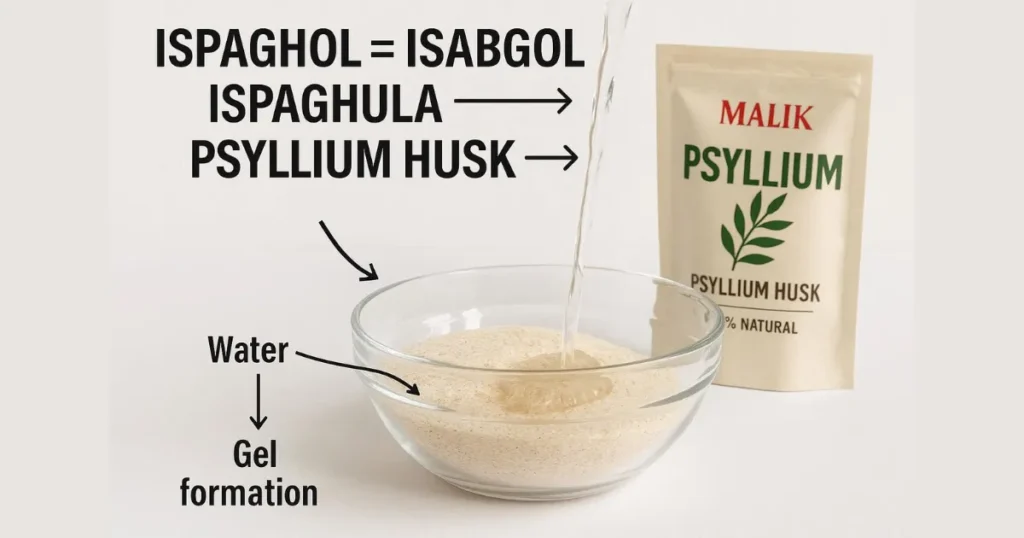
After three decades of cultivating and supplying psyllium across six continents, I’m constantly asked one fundamental question: what is ispaghol husk in English? This question bridges traditional South Asian wellness practices and modern global health terminology. The simple answer is that isabgol husk in English is called “psyllium husk,” but understanding what this represents goes far deeper than translation.
This natural fiber, also known as ispaghula husk in English, has served humanity for centuries with proven benefits for digestive health, cholesterol management, blood sugar control, and comprehensive wellness.
In this expert guide, I’ll share everything about psyllium husk – from translations to practical applications, health benefits, quality indicators, usage techniques, and professional recommendations based on decades of hands-on experience.
Understanding the Names: Translation Table
Let me clarify what ispaghol husk in English and other languages means across cultures.
Complete Multilingual Translation Table:
| English | Urdu (اردو) | Urdu Transliteration | Hindi (हिंदी) | Hindi Transliteration |
| Psyllium Husk | اسپغول کا چھلکا | Ispaghol ka chilka | इसबगोल की भूसी | Isabgol ki bhusi |
| Psyllium Husk | اسپغول کی بھوسی | Ispaghol ki bhoosi | इसबगोल का छिलका | Isabgol ka chilka |
| Psyllium | اسپغول | Ispaghol/Isabgol | इसबगोल | Isabgol |
| Ispaghula Husk | اسپغول کا چھلکا | Ispaghula ka chilka | इसबगोल भूसी | Isabgol bhusi |
| Husk/Shell | چھلکا | Chilka | छिलका | Chilka |
| Husk/Chaff | بھوسی | Bhoosi | भूसी | Bhusi |
Understanding that isabgol husk in English translates to “psyllium husk” helps connect traditional knowledge with modern scientific terminology used in research and international commerce.
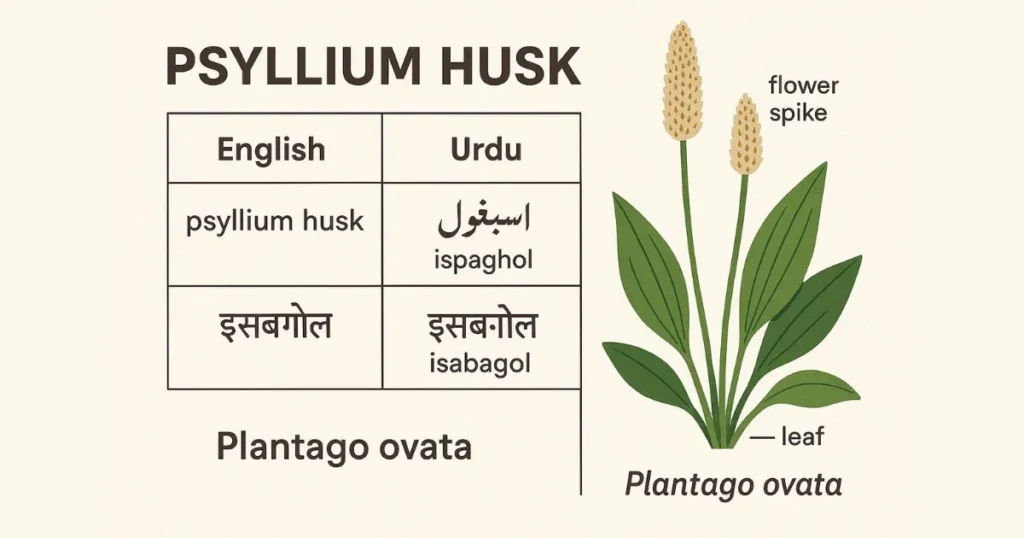
The names derive from Persian words “asp” (horse) and “ghol” (ear), referring to the seed’s distinctive shape. “Chilka” or “bhusi” means the outer shell – the therapeutic part with maximum fiber.
What Is Psyllium Husk? Definition.
Now that you know ispaghula husk in English is psyllium husk, let me explain what this means botanically.
Botanical identity:
Psyllium husk is the outer coating of Plantago ovata seeds. This plant thrives in Pakistan and neighboring areas where a unique climate produces the world’s highest quality fiber supplement.
Physical characteristics:
The husk contains 70-85% soluble fiber – the key to its therapeutic properties. When mixed with water, it swells 10-14 times its original size, forming a thick gel. This explains why ispaghol husk in English works effectively for multiple health applications.
Color and texture:
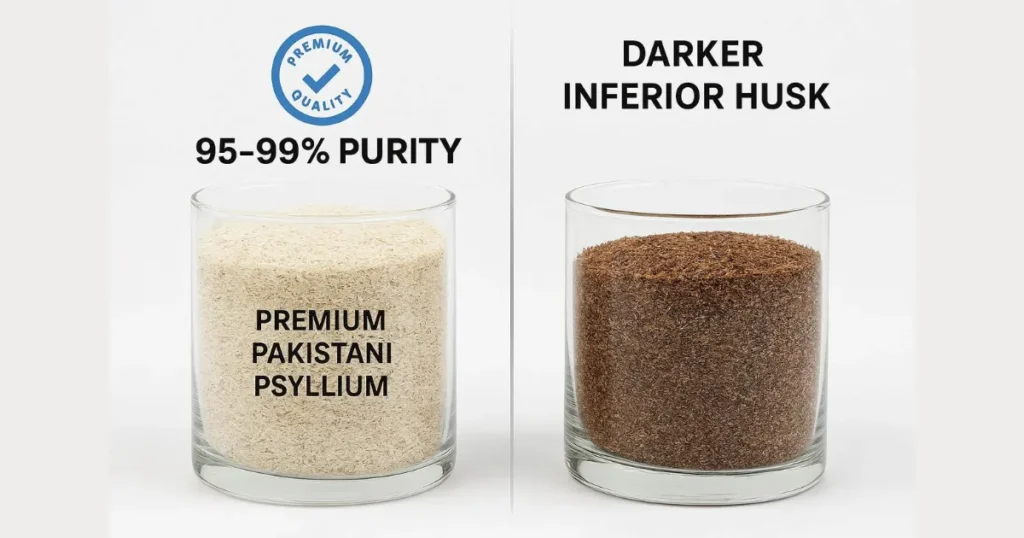
High-quality psyllium appears light cream to white with a fine, powdery texture. Darker coloration indicates contamination or inferior processing. The husk is virtually tasteless and odorless when pure.
How it differs from seeds:
While whole seeds have value, separated husk provides maximum fiber concentration and superior gel-forming capacity. Understanding what isabgol husk in English represents helps you select the right product.
The Science Behind How It Works.
Understanding the mechanism behind ispaghula husk in English effectiveness helps you use it optimally.
The four-stage digestive journey:
When you consume psyllium with adequate water, soluble fiber creates a soft, bulky gel moving through your system:
- Stomach phase: Absorbs water immediately, creating bulk, promoting satiety.
- Small intestine: Slows nutrient absorption, particularly glucose and cholesterol.
- Large intestine: Add bulk to stool while maintaining softness.
- Elimination phase: Facilitates smooth, natural bowel movements.
Why it works for opposite conditions:
The ispaghol husk in English encompasses understanding its dual action. For constipation, it stimulates peristalsis through gentle bulk. For diarrhea, it absorbs excess water and firms the stools. This normalizing effect makes it uniquely valuable.
Quality determines effectiveness:
I’ve conducted extensive testing for over thirty years. Pakistani psyllium demonstrates swelling indices of 12-14 compared to 8-10 from other regions. This superior expansion translates to better outcomes with smaller doses.
Comprehensive Health Benefits.
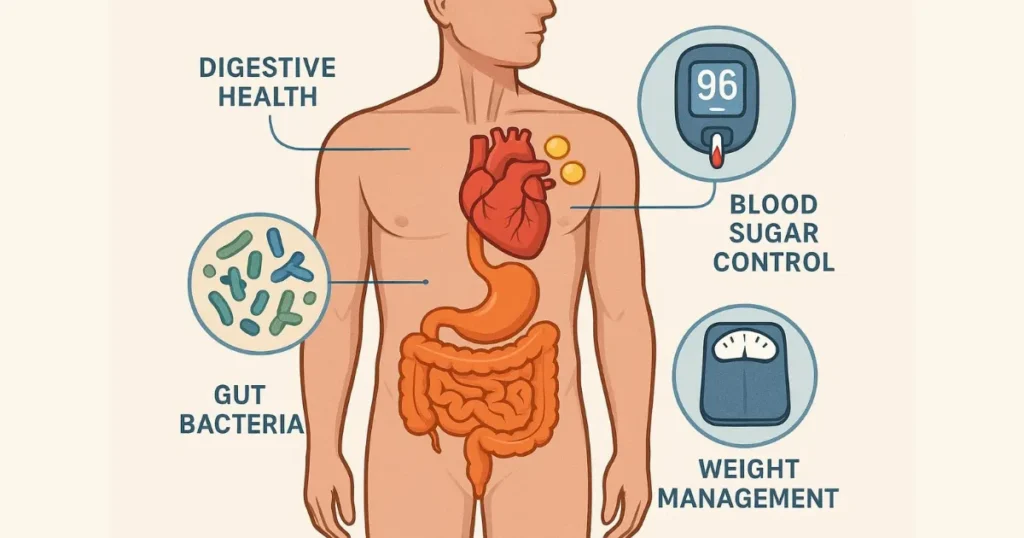
Let me share the validated benefits of what isabgol husk in English delivers across diverse populations.
For digestive wellness:
The primary application remains constipation relief. Bulk-forming action stimulates natural peristalsis – wave-like contractions pushing waste through the intestines. Unlike harsh laxatives, ispaghula husk in English works gently with your body’s rhythms without dependency.
Most notice improvements within 12-72 hours, with optimal regularity over 1-2 weeks.
Interestingly, psyllium helps with diarrhea, too. Fiber absorbs excess water, adding form while slowing transit. This dual action helps irritable bowel syndrome, where symptoms swing unpredictably.
For cholesterol management:
Research confirms traditional wisdom. Consuming 5-10 grams of ispaghol husk in English daily can reduce LDL cholesterol by 5-15%. The mechanism is simple: soluble fiber binds bile acids containing cholesterol. Your liver uses blood cholesterol to produce new bile acids, lowering total levels.
A meta-analysis in the American Journal of Clinical Nutrition examined 28 trials with 1,924 participants, showing average LDL reductions of 10.7 mg/dL – clinically significant without medication side effects.
For blood sugar control:
For diabetics, understanding isabgol husk in English becomes relevant. Gel formation slows carbohydrate digestion and glucose absorption, preventing dangerous spikes.
Research in Diabetes Care showed 5.1 grams before meals improved control in type 2 diabetics, reducing post-meal glucose by 19.2 mg/dL. HbA1c improved by 0.97% – comparable to some medications.
For weight management:
Fiber creates genuine satiety, reducing calorie intake naturally. Studies show people consuming ispaghula husk in English before meals ate 10-15% fewer calories daily while reporting higher fullness.
Over 12 weeks, this translated to 3.2 kg additional weight loss with reasonable lifestyle modifications.
For heart health:
By addressing cholesterol, blood pressure, and inflammation simultaneously, psyllium provides comprehensive cardiovascular protection. Studies suggest modest blood pressure reductions of 2-4 mmHg – every point matters.
For gut microbiome:
Psyllium acts as a powerful prebiotic, feeding beneficial bacteria. Research shows 35-40% increases in Lactobacillus and Bifidobacterium after 4 weeks, supporting immunity, mental health, and nutrient absorption.
Traditional vs. Modern Usage.
Understanding what ispaghol husk in English represents connects ancient wisdom with contemporary applications.
Traditional South Asian uses:
For centuries, traditional medicine prescribed isabgol for:
- Constipation (gentle, cooling relief).
- Heat and inflammation (cooling property).
- Hemorrhoids (softens stools, reduces strain).
- Digestive disturbances (normalizing action).
- General wellness (preventive health).
Modern global applications:
Today, knowing ispaghula husk in English as psyllium helps people worldwide access it for:
- Clinical cholesterol management.
- Evidence-based diabetes control.
- Scientifically validated weight management.
- IBS symptom relief.
- Preventive cardiovascular health.
- Gut microbiome optimization.
Preparation methods:
Traditional communities mixed psyllium with cold milk, yogurt, rose water, or lemon water. Modern users incorporate it into smoothies, protein shakes, baked goods, and cooking as a natural thickener.
Practical Usage Guide.
Let me share proper methods for using ispaghol husk in English to ensure optimal results.
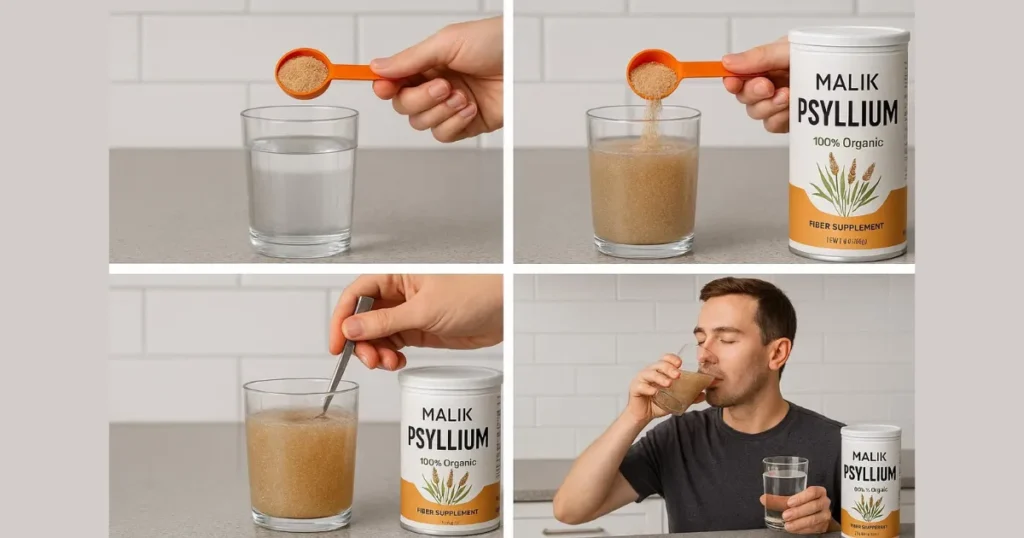
Basic preparation:
- Start with 1 teaspoon (5 grams).
- Mix thoroughly in 250-300ml water, milk, or juice.
- Stir vigorously for 15-20 seconds.
- Drink immediately before thickening.
- Follow with another full glass of water.
- Never consume dry – always use adequate liquid.
Optimal timing:
- Morning empty stomach: Best for digestive regularity.
- 30 minutes before meals: For appetite/blood sugar control.
- Evening before sleep: Traditional method for morning movements.
- Split doses: Divide the daily amount into 2-3 servings.
Dosage progression:
- Week 1: 5 grams once daily.
- Week 2: 5 grams twice daily.
- Week 3+: 10-15 grams daily (split).
- Maximum: 30 grams with medical supervision.
Critical hydration:
You must drink 2-2.5 liters of water daily when using isabgol husk in English regularly. Insufficient hydration can cause intestinal blockage – the opposite of the intended benefits. This is the most common mistake.
Pro tips from 30 years:
Add ispaghula husk in English to liquid, not reverse – prevents clumping. Use room temperature liquids; hot liquids causes premature gelling. Shaker bottles work excellently. Take 30-60 minutes apart from medications.
Quality Indicators: Pakistani Superiority.
Understanding what ispaghol husk in English should look like ensures effectiveness.
Why Pakistani psyllium excels:
Pakistan, particularly regions where Malik Psyllium operates, produces the world’s finest quality due to unique factors:
- Purity: 95-99% versus 85-92% from other regions.
- Color: Light cream to white (darker indicates contamination).
- Swelling capacity: 12-14 versus 8-10.
- Mucilage content: Higher active concentration.
- Taste: Neutral, not bitter.
- Processing: Pharmaceutical-grade protocols.
Quality checklist:
- Light color without dark particles.
- Fine, uniform texture.
- Strong gel formation in water test.
- Neutral smell (no mustiness).
- Recent production date.
- Pakistan origin stated.
- Proper sealed packaging.
- Purity 95%+ declared.
Home quality test:
Mix 1 teaspoon of isabgol husk in English in a clear glass with 100ml of water. Quality product swells noticeably within 2-3 minutes, forming a thick gel within 10 minutes. Poor quality remains granular.
Common Myths and Misconceptions.
Let me address frequent misunderstandings about ispaghula husk in English.
Myth 1: “Only for constipation”.
Reality: While effective for constipation, calling it merely a laxative understates cardiovascular, metabolic, and gut health benefits. It addresses cholesterol, blood sugar, weight, inflammation, and prevention.
Myth 2: “All psyllium is identical”.
Reality: Quality varies dramatically from 85% to 99% purity, with swelling differences of 30-40%. These create real therapeutic outcome variations.
Myth 3: “Causes dependency”.
Reality: Unlike stimulant laxatives, ispaghol husk in English doesn’t cause dependency. It works mechanically through bulk formation. You can stop anytime without withdrawal.
Myth 4: “Causes weight gain”.
Reality: Despite creating bulk, isabgol husk in English contains virtually zero digestible calories. Fiber passes through intact, adding no caloric value.
Myth 5: “Immediate effects”.
Reality: Natural solutions require patience. Expect initial effects within 1-3 days, with optimal benefits over 2-4 weeks of consistent use.
Myth 6: “Blocks nutrient absorption”.
Reality: While affecting certain medication absorption (requiring timing separation), it doesn’t significantly impact food nutrient absorption. Actually promotes better gut health and nutrient uptake.
Myth 7: “Same as other fibers”.
Reality: Understanding what ispaghula husk in English offers reveals unique advantages. Its soluble fiber composition, gel-forming capacity, and dual action make it superior to alternatives like wheat bran or methylcellulose.
Side Effects and Safety.
Transparency matters. While generally safe, psyllium can cause issues when misused.
Common side effects:
- Bloating: Temporary, affects 30-40% initially, resolves within 2 weeks.
- Gas: Mild to moderate, decreases with adaptation.
- Cramping: Usually indicates excessive dose or insufficient water.
- Allergic reactions: Rare (under 0.1%), more common with grass allergies.
Serious concerns needing attention:
- Difficulty swallowing after consumption.
- Severe, persistent abdominal pain.
- Chest discomfort or breathing difficulty.
- Complete constipation lasting 7+ days.
- Allergic symptoms: rash, itching, facial swelling.
Who should exercise caution:
People with esophageal disorders, intestinal narrowing, or swallowing difficulties must consult healthcare providers before using ispaghol husk in English.
Medication interactions:
Psyllium can reduce the absorption of lithium, carbamazepine, digoxin, and some diabetes medications. Always maintain a 30-60 minute separation between fiber and pharmaceuticals.
Special populations:
- Pregnant women: Generally safe, consult an obstetrician first.
- Children: Safe from age 6+ at half adult dose.
- Elderly: Start with minimal doses, ensure adequate hydration.
- Diabetics: Highly beneficial, but monitor glucose closely initially.
Scientific Research Validation.
Understanding isabgol husk in English requires examining modern validation.
Cardiovascular research:
The American Journal of Clinical Nutrition meta-analysis demonstrated significant cholesterol reduction. The FDA permits health claims for psyllium regarding cholesterol and cardiovascular disease risk – regulatory validation confirming therapeutic legitimacy.
The European Food Safety Authority (EFSA) approved health claims for bowel function and cholesterol reduction.
Diabetes management:
Multiple studies in Diabetes Care show consistent blood sugar control improvements. A 2020 study found psyllium improved insulin sensitivity by 12% in prediabetics – potentially delaying diabetes development.
Gut microbiome research:
Studies in Alimentary Pharmacology & Therapeutics demonstrate that ispaghula husk in English increases beneficial bacteria by 35-40% after 4 weeks. This prebiotic effect supports immunity, mental health, and overall wellbeing.
Weight management:
Research in Appetite, Obesity, and Nutrition Reviews consistently shows satiety enhancement and modest weight loss support with lifestyle modifications.
This validates what traditional practitioners knew – ispaghol husk in English is genuinely therapeutic, not folklore.
Comparison with Alternative Fibers.
How does what isabgol husk in English represents compare to alternatives?
Psyllium vs. Wheat bran:
Psyllium: 70-85% soluble, gentle, gluten-free, cholesterol benefits.
Wheat bran: Primarily insoluble, aggressive, contains gluten, fewer metabolic benefits.
Psyllium vs. Flaxseed:
Psyllium: Pure fiber focus, neutral taste, better for constipation.
Flaxseed: 30% fiber plus omega-3s, nutty flavor, adds calories, requires grinding.
Psyllium vs. Chia seeds:
Psyllium: Maximum fiber concentration, minimal calories, superior swelling.
Chia: Additional protein/fats, more calories, trendy but not therapeutically superior.
Psyllium vs. Methylcellulose:
Psyllium: Natural plant-based, multiple health benefits.
Methylcellulose: Synthetic, purely mechanical, no metabolic effects.
For comprehensive fiber addressing digestion, cholesterol, and blood sugar simultaneously, ispaghula husk in English remains unmatched.
Real Success Stories.
Beyond research, real experiences reveal what ispaghol husk in English achieves.
Corporate executive, Singapore:
A 48-year-old struggled with chronic constipation unresponsive to medications. Within three weeks of using quality Pakistani psyllium (10 grams daily), digestion normalized completely. He’s maintained this for four years.
Nutritionist, Dubai:
A professional incorporates isabgol husk in English into cholesterol management protocols, reporting average LDL reductions of 18-25 mg/dL with dietary modifications. Several clients avoided statins entirely.
Grandmother, Canada:
Successfully managed type 2 diabetes for seven years using psyllium before meals, maintaining HbA1c below 6.5% while avoiding predicted insulin therapy.
Marathon runner, Australia:
Resolved chronic race-day digestive issues using ispaghula husk in English during training. Consistent gut function allowed competition without previous gastrointestinal distress.
Mother, London:
Uses psyllium helping children develop healthy bathroom habits without medications, following traditional methods her grandmother taught. Entire family now uses it preventively.
These aren’t marketing testimonials – they’re authentic outcomes from people who discovered effective usage with quality sourcing.
Integration into Daily Life.
Practical strategies help maintain consistency with what ispaghol husk in English offers.
Morning routine:
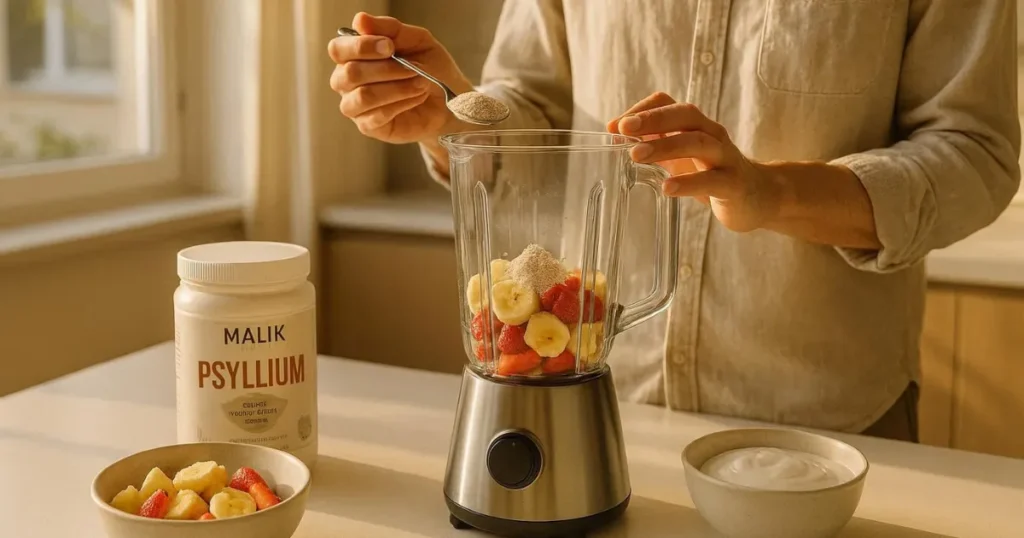
Mix into a breakfast smoothie with fruits, yogurt, and honey. Consume within 5 minutes. Provides 5 grams of fiber alongside regular nutrition palatably.
Pre-meal strategy:
Take isabgol husk in English 20-30 minutes before lunch or dinner for appetite/blood sugar control. Optimizes gel formation before food arrives.
Beverage enhancement:
Stir into juices, lassi (yogurt drink), or flavored milk. Traditional rose milk preparation masks any texture concerns effectively.
Baking applications:
Add to bread, muffin, or pancake recipes for fiber enrichment. Works as a gluten-free binding agent in vegan baking, replacing eggs.
Culinary uses:
Use as a natural thickener in soups, stews, or curries. Add to daal. Mix into yogurt side dishes for added nutrition.
Storage wisdom:
Keep ispaghula husk in English in airtight containers in cool, dry locations. Avoid bathroom humidity. Properly stored, maintains potency 2-3 years.
Market Availability and Purchasing.
Understanding where to find authentic psyllium ensures quality.
Global availability:
Now widely available at health food stores, pharmacies, supermarket wellness sections, online platforms, and specialty South Asian groceries.
International terminology:
When shopping globally, isabgol husk in English is universally recognized as “psyllium husk” on labels. Some brands use “ispaghula husk” or “psyllium fiber.”
Price considerations:
Quality psyllium (Ispaghol) costs $10-15 (2,000) per 500 grams. At 10 grams daily, it provides 50 servings – approximately $0.15-0.25 per day for comprehensive benefits.
Compare to cholesterol medications costing $50-200 monthly or diabetes drugs at similar prices with potential side effects. Cost-benefit favors natural supplementation.
Quality red flags:
- Suspiciously cheap pricing.
- Unknown origin.
- Dark coloration.
- Musty odors.
- Clumped texture.
- Missing purity information.
- Poor effectiveness reviews.
Troubleshooting Common Issues.
Solutions to frequent challenges with ispaghula husk in English:
Problem: Excessive bloating.
Solution: Reduce dose 50%, increase water to 3 liters daily, consider probiotics. Gradually increase over 3-4 weeks.
Problem: Insufficient results.
Solution: Verify quality through water test, increase dose to 10-15 grams, ensure adequate hydration (most common issue), maintain consistency for 3-4 weeks.
Problem: Difficulty mixing.
Solution: Add isabgol husk in English to liquid (not reverse), use room temperature water, stir vigorously 20+ seconds, consume immediately. Shaker bottles work excellently.
Problem: Unpleasant texture.
Solution: Mix into juice, smoothies, yogurt. Some prefer capsules despite the higher cost. Traditional milk preparation masks texture effectively.
Problem: Medication timing.
Solution: Take psyllium 1 hour before or 2-3 hours after medications. Maintain consistent daily timing for predictable absorption.
Expert Recommendations.
After three decades, here are my top recommendations for ispaghol husk in English usage:
Quality first:
Always prioritize Pakistani psyllium from reputable sources. Quality difference translates directly to effectiveness, safety, and fewer side effects.
Consistency matters:
Taking 5 grams daily consistently beats 15 grams sporadically. Benefits develop progressively. Commit to 4-6 weeks before full evaluation.
Hydration determines success:
Can not emphasize enough – adequate water determines benefits versus problems. Keep the bottle nearby throughout the day. Aim for 2.5-3 liters daily.
Start slowly:
Beginning with smaller doses (even 2.5 grams) allows comfortable adaptation. Rushing causes unnecessary discomfort discouraging continued use.
Consult professionals:
If you have existing conditions, take regular medications, are pregnant, or experience persistent side effects, consult qualified healthcare providers.
What Is Ispaghol Husk in English Called?
Ispaghol husk in English is called “psyllium husk” or “ispaghula husk.” It’s the outer coating of Plantago ovata seeds, containing 70-85% soluble fiber. Used globally for digestive health, cholesterol management, blood sugar control, and wellness.
What Is Isabgol Husk in English Translation?
Isabgol husk in English translates to “psyllium husk.” “Isabgol” is an alternative spelling of “ispaghol,” derived from Persian words meaning “horse ear.” Both terms are interchangeable globally, referring to the same therapeutic fiber from Plantago ovata seeds.
What Is Ispaghula Husk in English Used For?
Ispaghula husk in English (psyllium husk) is used for digestive health (constipation/diarrhea relief), cholesterol reduction (5-15%), blood sugar control, weight management, cardiovascular protection, and gut microbiome support. Works naturally with multiple simultaneous FDA-approved health benefits.
How do I take psyllium husk daily safely?
Start with 1 teaspoon (5 grams) mixed in 250-300ml water, drink immediately, follow with another glass. Best taken empty stomach in the morning or 30 minutes before meals. Gradually increase to 10-15 grams daily. Never consume dry. Ensure 2-2.5 liters of water daily.
Is Pakistani psyllium of better quality than others?
Yes, Pakistani psyllium demonstrates 95-99% purity versus 85-92% from other regions, superior swelling capacity (12-14 vs. 8-10), and higher mucilage content due to optimal climate and soil. Quality directly impacts therapeutic effectiveness and required dosage.
Can diabetics safely use psyllium husk?
Highly beneficial for diabetics. Slows glucose absorption, reducing blood sugar spikes by 10-20%. Studies show HbA1c improvements of nearly 1%. Monitor glucose levels closely initially, as medication requirements may decrease. Always consult a healthcare provider before starting supplementation.
Does psyllium husk cause dependency or side effects?
No dependency – works mechanically through natural bulk, not chemical stimulation. Common initial side effects include temporary bloating (30-40% of users), mild gas, resolving within 2 weeks. Serious issues are rare but include choking if taken without adequate water. Always ensure proper hydration.
How long before seeing results with psyllium?
Initial digestive effects appear within 12-72 hours for most people. Optimal constipation relief develops after 1-2 weeks of consistent use. Cholesterol and blood sugar improvements typically require 4-6 weeks to manifest measurably. Natural solutions require patience for sustainable, long-term results.
Conclusion.
Understanding what ispaghol husk in English means -” psyllium husk” – opens doors to a remarkable natural remedy validated by centuries of traditional use and rigorous modern science. Whether you search for isabgol husk in English or ispaghula husk in English, you’re discovering the same powerful fiber that addresses digestive health, cardiovascular protection, metabolic support, and preventive wellness simultaneously.
Pakistan produces the world’s finest quality psyllium due to optimal growing conditions and pharmaceutical-grade processing standards. Success requires quality Pakistani sourcing, proper hydration with 2-3 liters of water daily, and consistent use for 4-6 weeks, allowing cumulative benefits to develop fully and sustainably for long-term health optimization.

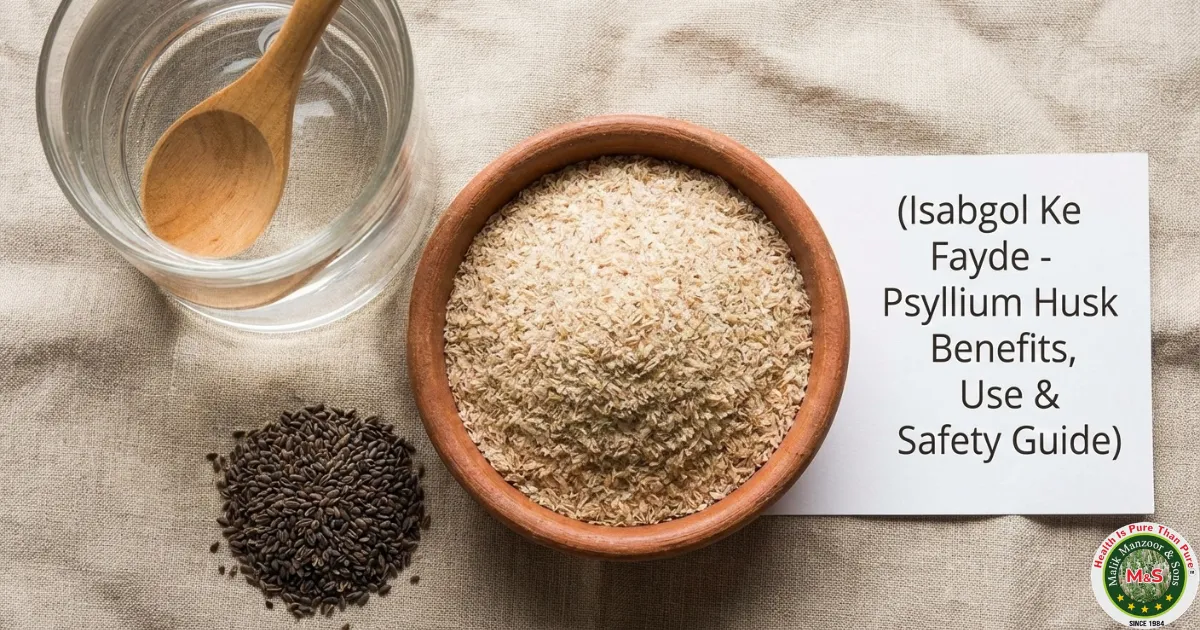
Isabgol Ke Fayde – Psyllium Husk Ke Poori Science-Based Rahnumayi – 2026
Isabgol ke fayde jaanna aaj ke daur mein zyada zaroori
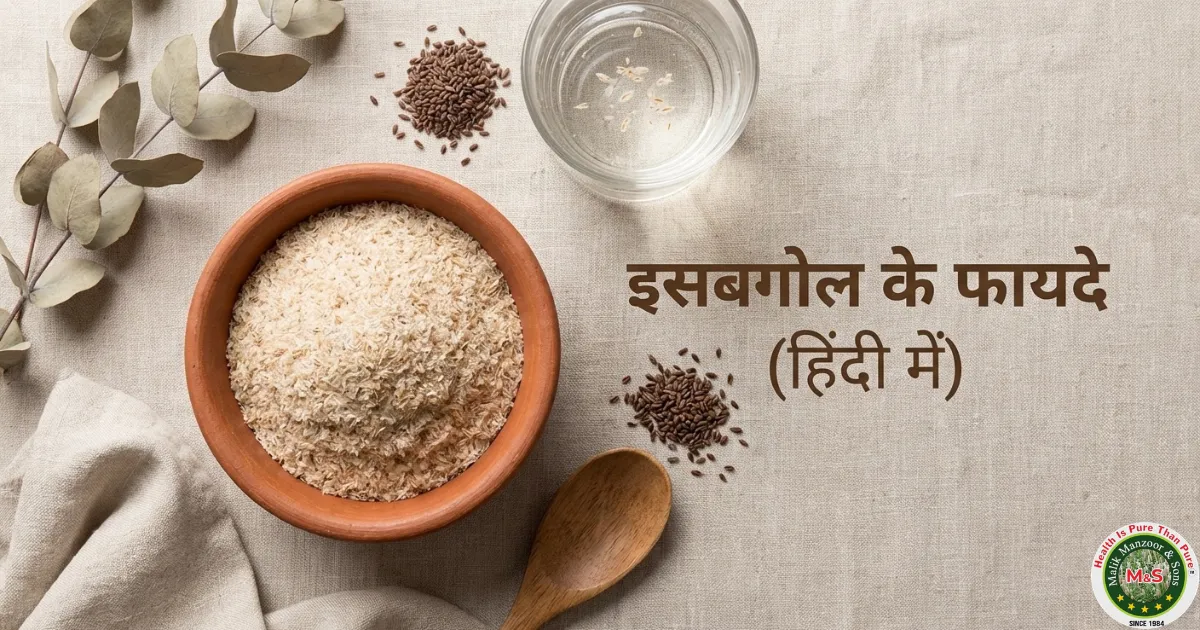
Isabgol Benefits in Hindi | Psyllium Husk Ke Fayde, Sahi Upyog Aur Savdhaniyan – 2026
Agar aap isabgol benefits in hindi mein samajhna chahte hain,