What Are Ispaghol Calories and Why Do They Actually Matter?
If you have ever wondered whether isabgol actually adds calories to your food or drink, you are not alone. It is one of the most common questions I get from people trying to manage their weight, support digestion, or simply eat cleaner. The short answer is that isabgol calories are remarkably low, almost negligible, and that is exactly what makes this ingredient so powerful in a health-conscious diet.
But let me give you the full picture, because “almost zero” and “actually zero” are two very different things, especially if you are tracking macros or managing a specific dietary condition. Understanding the true calorie content of isabgol—and why isabgol calories behave so differently from those of other fibres—is key to using it correctly.
Here is what you will learn in this guide. I will break down the exact calorie count in isabgol, explain how ispaghol calories work in your body, compare it to other fiber supplements, and show you practical ways to add it to your routine without affecting your calorie intake meaningfully. Whether you are a fitness enthusiast, someone managing blood sugar, or just curious about gut health, this guide is built for you.
Isabgol is another name for psyllium husk, derived from the seeds of the Plantago ovata plant. Pakistan is home to the finest psyllium cultivation in the world, and the quality of husk grown here is unmatched in purity, mucilage content, and consistency.
How Ispaghol Calories Actually Work in Your Body
Before we get into numbers, it helps to understand why ispaghol calories behave the way they do. When you eat most foods, your digestive system breaks them down and absorbs the energy they contain. That energy is measured in calories.
Isabgol, however, is almost entirely fiber – specifically, it is rich in soluble fiber called mucilage. Your body can not digest this fiber the same way it digests starches or sugars. That means the ispaghol calories listed on the label are mostly theoretical. Your gut simply does not absorb them.
This is why ispaghol calories are considered functionally zero for most people. A standard serving of about one tablespoon (around 5 grams) contains roughly 15 to 20 calories on paper, but the actual absorbed calorie value is significantly lower. Some databases even list isabgol calories as zero usable calories per serving.
So when people ask about ispaghol calories being zero or not, the honest answer is: it depends on how you measure. Technically, there are a few calories present. Practically, your body ignores most of them.
Ispaghol Calories per Tablespoon: The Real Numbers
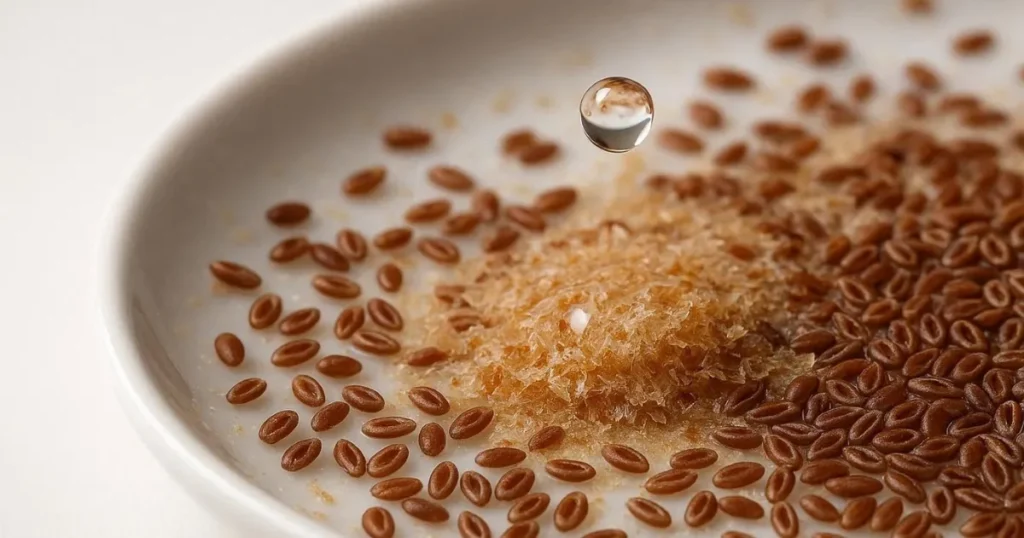
Let me lay this out clearly. One tablespoon of pure psyllium husk – which is what isabgol is – contains approximately 15 to 20 listed calories. Of those, the vast majority comes from fiber, not from digestible carbohydrates or fats.
Here is how isabgol calories break down per tablespoon (5g):
| Nutrient | Amount |
| Total listed calories | 15–20 |
| Digestible calories (absorbed) | 2–5 |
| Fat | 0g |
| Protein | 0–0.5g |
| Sugar | 0g |
| Fiber | 4–5g |
These numbers make isabgol one of the lowest-calorie functional ingredients available. If you are adding one or two tablespoons to your water, smoothie, or meal, the isabgol calories you consume are essentially invisible in your daily total.
The Science behind Ispaghol Calories and Gut Health.
One reason isabgol has become so popular in the wellness space is not just its calorie profile – it is what it does inside your digestive system. When you consume psyllium husk, it absorbs water and forms a thick, gel-like substance in your intestines.
This gel slows digestion gently. That means nutrients are absorbed more gradually, which helps stabilize blood sugar. It also adds bulk to your stool without adding significant calories, making it a go-to choice for anyone dealing with irregularity or discomfort. Learn more about how psyllium supports healthy cholesterol levels and other gut benefits.
Research published in journals like the Journal of Nutrition and the American Journal of Clinical Nutrition has consistently shown that soluble fiber like psyllium supports healthy cholesterol levels, improved bowel regularity, and better glycemic control – all while keeping isabgol calories minimal. This is why isabgol calories work with your health goals, not against them.
Ispaghol Calories for Weight Loss: Does It Actually Help?
This is a question I hear constantly, and the answer is genuinely encouraging. Isabgol can support weight management, but not because it burns calories or speeds up your metabolism. It works through a much simpler mechanism.
When you drink isabgol mixed with water – ideally before a meal – the mucilage gel expands in your stomach and creates a feeling of fullness. You naturally eat less without feeling deprived. That is appetite regulation at its most basic and effective level.
Studies have shown that individuals who consume psyllium fiber before meals tend to reduce their overall caloric intake by 10 to 15 percent without any conscious effort. Combined with the fact that isabgol calories themselves are near zero, this makes it a genuinely useful tool for anyone watching their intake. The ispaghol calories you add through this habit are truly minimal compared to the appetite control benefits you gain.
I want to be clear: isabgol is not a weight loss miracle. It is a supportive habit. Pair it with balanced nutrition and regular movement, and it becomes one of the most practical additions to your routine.
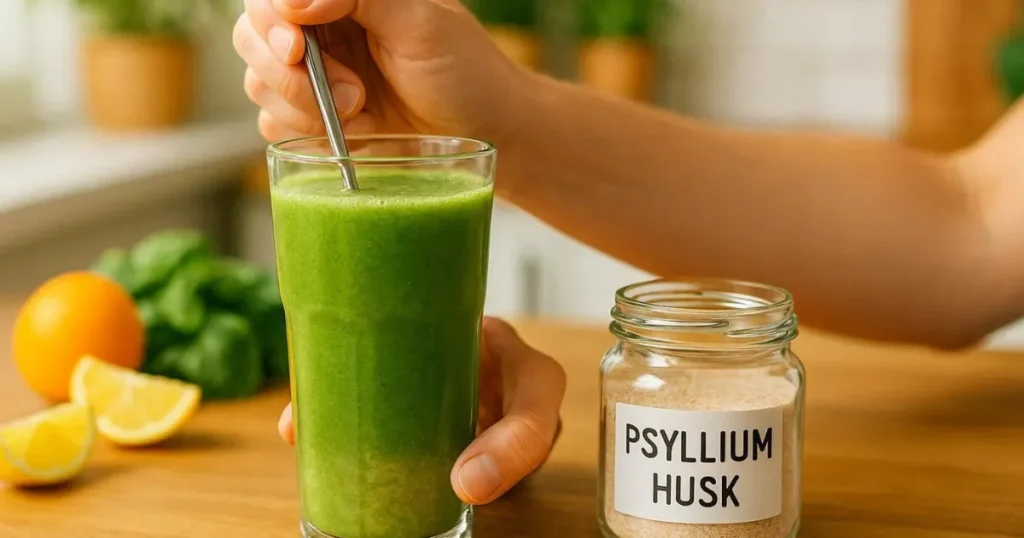
Ispaghol Calories in Smoothies and Drinks: How to Add It Right.
One of the best parts about using isabgol is how versatile it is. There are a lot of recipes to use it as super rich food. You can add it to smoothies, plain water, juices, or even warm beverages without significantly changing the calorie count.
Here is a simple ratio that works well:
One tablespoon of isabgol per 250ml of liquid.
That adds roughly 15 to 20 listed isabgol calories -, and as we discussed, the absorbed value is much lower. In a smoothie that already has 200 to 400 calories from fruits and protein, that addition is genuinely negligible.
A few tips from my own experience working with psyllium:
- Add it to the liquid first, then blend or stir quickly. It thickens fast.
- Drink it immediately. If you let it sit, it becomes very thick and harder to consume.
- Use room temperature or cool water – hot liquids can affect the mucilage structure.
If you want high-quality psyllium husk for your smoothies, look for products sourced from Pakistan. The husk grown here has a higher mucilage yield, meaning better texture and more consistent results.
Ispaghol Calories vs Other Fiber Supplements: A Real Comparison.
Not all fibers are created equal, and their calorie profiles reflect that. Here is how isabgol calories compare to the most popular alternatives:
| Fiber Type | Calories per 5g Serving | Soluble Fiber | Gut Feel |
| Isabgol (Psyllium Husk) | 15–20 | High | Gentle, clean |
| Inulin | 8–12 | High | Can cause bloating |
| Cellulose | 0–5 | Low | Minimal effect |
| Psyllium Powder | 18–22 | High | Slightly thicker |
| Oat Fiber | 20–25 | Mixed | Mild, nutty |
| Flaxseed | 55–60 | Mixed | Heavier, oily |
As you can see, isabgol delivers one of the best combinations: low calories, high soluble fiber content, and a gentle effect on the digestive system. It does not ferment quickly in the gut like inulin, which means far less bloating and gas. When comparing ispaghol calories across fiber types, psyllium consistently comes out on top for both safety and effectiveness.
Ispaghol Daily Intake and Calories: What Is Safe?
The recommended daily intake for psyllium husk varies depending on your goals and health condition. For general digestive support, one to two tablespoons per day is the standard. For more active supplementation – such as cholesterol management or blood sugar control – some studies support up to three tablespoons daily, spread throughout the day.
Let us put that in calorie terms. At three tablespoons per day, the total ispaghol calories you consume are roughly 45 to 60 listed. Again, the absorbed value is a fraction of that – less than a single medium apple.
The key is hydration. Psyllium needs water to work properly. I always recommend drinking at least one full glass of water with each serving and increasing your daily water intake slightly when supplementing.
If you are new to isabgol, start with one tablespoon and build up gradually over one to two weeks. This lets your gut adjust and minimizes any temporary digestive changes. For a deeper look at psyllium for gut health, check out my detailed guide on the topic.
Ispaghol Calories and Blood Sugar: Why Diabetics Should Pay Attention.
This is one of the most important sections, so let me be direct. Isabgol calories do not spike blood sugar. In fact, the opposite is true.
Because the mucilage gel slows the absorption of glucose from your meals, psyllium has been studied extensively as a dietary intervention for type 2 diabetes management. Multiple clinical trials have shown that regular supplementation can reduce postprandial blood sugar spikes by 20 to 30 percent.
The glycemic index of isabgol is effectively zero. There is no sugar in it, no digestible starch, and no insulin response triggered by its calorie content. This makes ispaghol calories one of the safest additions for anyone monitoring blood sugar levels.
That said, if you are on blood sugar medication, always consult your doctor before adding any new supplement – including isabgol. The effect on glucose absorption can sometimes require a dosage adjustment.
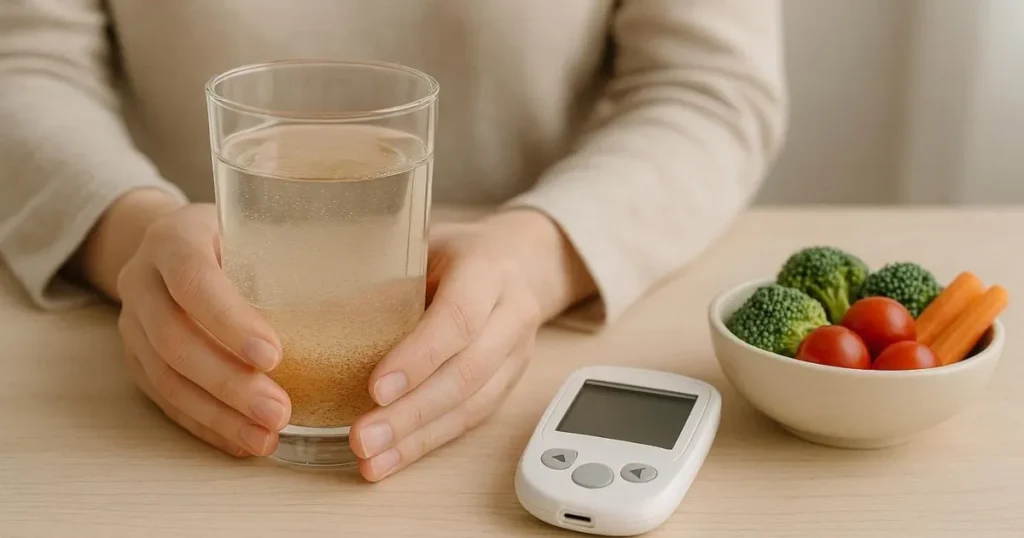
Ispaghol Calories Safe for Diabetics: What the Research Says.
Yes, isabgol calories are safe for diabetics, and the research backs this up firmly. A study published in Diabetes Care found that psyllium supplementation significantly improved glycemic control in patients with type 2 diabetes without any adverse effects.
Another review in the Journal of Diabetes and its Complications confirmed that soluble fiber, particularly psyllium, is among the most well-tolerated dietary interventions for blood sugar management. The ispaghol calories involved are negligible and trigger no glycemic response whatsoever.
The calorie content of isabgol does not interfere with insulin sensitivity or glucose metabolism. If anything, it actively supports better blood sugar regulation by modulating how quickly your gut releases glucose into the bloodstream.
Common Myths about Ispaghol Calories.
Let me clear up a few misconceptions that come up often.
Myth: Isabgol is high in calories because it is a carbohydrate.
Reality: While psyllium husk is technically classified as a carbohydrate, almost all of it is fiber. Fiber is not digested the way regular carbs are. The actual isabgol calories your body absorbs are minimal.
Myth: Ispaghol calories will make you gain weight.
Reality: With only 2 to 5 absorbed calories per serving and a proven appetite-suppressing effect, isabgol is far more likely to support weight management than weight gain.
Myth: You should avoid isabgol if you are counting calories.
Reality: Adding 15 to 20 listed isabgol calories per serving – most of which your body does not absorb – does not meaningfully affect a calorie-controlled diet. The digestive and satiety benefits far outweigh any minor caloric addition.
Myth: All psyllium products have the same calorie count.
Reality: Husk and powder forms differ slightly. Psyllium powder is denser, so a tablespoon of powder may contain slightly more ispaghol calories than a tablespoon of husk. Always check the specific product label.
Who Should and Should Not Use Ispaghol.
Isabgol is safe and beneficial for a wide range of people. Here is a quick breakdown of who benefits most and who should be cautious.
Great for:
Individuals managing digestive health, people looking to support healthy cholesterol, anyone trying to stabilize blood sugar, fitness enthusiasts tracking macros, and people who want to add fiber without adding significant calories.
Use with caution:
Anyone with a known allergy to psyllium, individuals with severe gastrointestinal conditions like Crohn’s disease or severe IBS, pregnant or breastfeeding women without medical guidance, and people taking medications that affect gut absorption.
If you have a pre-existing condition, a quick conversation with your healthcare provider is always a smart first step. The good news is that for the vast majority of healthy adults, isabgol calories pose no risk at all.
Pakistan’s Psyllium: Why It Sets the Global Standard.
Here is something worth knowing if you shop for psyllium anywhere in the world. Pakistan produces the highest-quality psyllium husk available on the global market. The climate, soil, and cultivation methods in Pakistan – particularly in Punjab – create ideal conditions resulting in husk with exceptional mucilage content and purity.
The difference in isabgol calories and fiber purity is noticeable even in blind taste tests. This is not just a regional claim. It is backed by international quality certifications and consistent export data. Pakistan supplies a significant portion of the global psyllium market, and the husk grown here consistently outperforms alternatives in fiber purity, expansion ratio, and consistency.
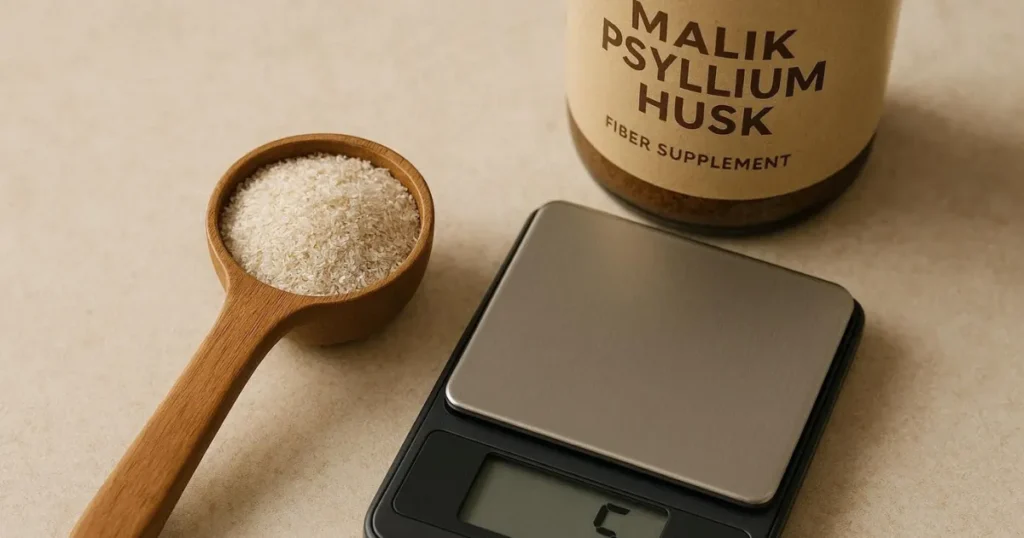
When you choose psyllium sourced from Pakistan, you are getting a product cultivated and processed with decades of expertise behind it. Malik Psyllium operates with a deep understanding of every stage – from field to finished product.
If you are looking for reliable, high-purity psyllium husk or powder with consistently low ispaghol calories and high mucilage content, sourcing from Pakistan is not just a preference. It is a quality decision.
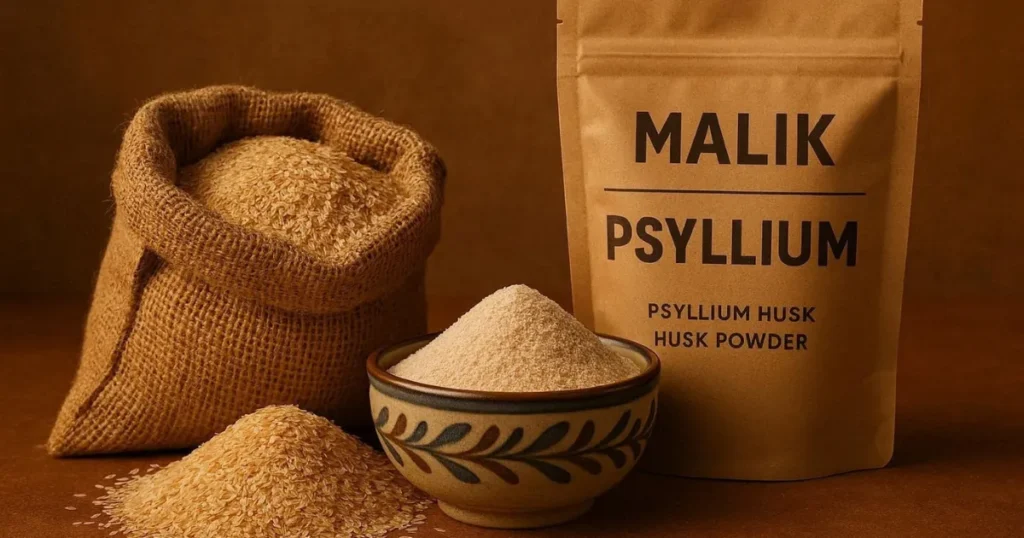
How many Ispaghol Calories are in one tablespoon?
One tablespoon (5g) of ispaghol contains roughly 15 to 20 listed calories. However, because most of that is indigestible fiber, your body only absorbs about 2 to 5 calories. The functional calorie impact is nearly zero.
Are ispaghol calories actually zero?
Not technically – there are 15 to 20 listed calories per serving. But since your body can not digest the soluble fiber, the absorbed calorie value is so low that many databases list it as zero. For practical tracking, ispaghol calories are negligible.
Can Ispaghol Calories help with weight loss?
ispaghol itself does not burn fat, but its near-zero calories combined with a strong appetite-suppressing effect make it a useful addition to any weight management plan. Studies show it can reduce meal-time calorie intake by 10 to 15 percent naturally.
How do Ispaghol Calories compare to other fibers?
ispaghol has 15 to 20 calories per 5g serving compared to oat fiber at 20 to 25 and flaxseed at 55 to 60. It also offers higher soluble fiber content with far less bloating than alternatives like inulin.
How many Ispaghol Calories do I consume if I add it to a smoothie?
Adding one tablespoon to a smoothie contributes only 15 to 20 listed calories – a negligible amount in any blended drink. The texture and fiber benefits it adds far outweigh this minor caloric contribution.
What is the safe daily ispaghol calorie intake?
One to three tablespoons per day is considered safe, adding roughly 15 to 60 listed ispaghol calories total. Always pair each serving with a full glass of water and increase intake gradually if you are new to psyllium.
Do isabgol calories affect blood sugar levels?
No. Ispaghol has a glycemic index of effectively zero. It contains no digestible sugar or starch. In fact, research shows psyllium actively helps reduce blood sugar spikes after meals by slowing glucose absorption.
Are Ispaghol Calories safe for diabetics?
Yes. Multiple clinical studies confirm that psyllium supplementation is safe and beneficial for people with type 2 diabetes. The negligible ispaghol calories trigger no glycemic response and can actually support better blood sugar management over time
CONCLUSION.
Understanding isabgol calories is one of the simplest and most impactful steps you can take toward better digestive and metabolic health. With only 15 to 20 listed calories per tablespoon – and a fraction of that actually absorbed – this fiber does more for your body than almost any other single ingredient at this calorie level.
What makes ispaghol calories so compelling is not the number itself, but the function behind it. From stabilizing blood sugar and supporting healthy cholesterol to creating natural fullness before meals, psyllium husk delivers benefits that most supplements at ten times the price can not match.
Whether you are adding it to a morning smoothie, drinking it with water before lunch, or simply looking for a fiber that does not disrupt your calorie tracking, isabgol fits seamlessly into any lifestyle. The research is clear, the results are consistent, and the calorie impact is genuinely minimal.
Pakistan remains the gold standard for psyllium quality globally. The husk cultivated here – with its superior mucilage content and unmatched purity – is the foundation of products like those offered by Malik Psyllium. When you choose Pakistani-sourced psyllium, you are not just picking a fiber supplement. You are choosing a product backed by decades of agricultural expertise, rigorous quality control, and a genuine commitment to health.
Start small. One tablespoon. One glass of water. That is all it takes to begin.

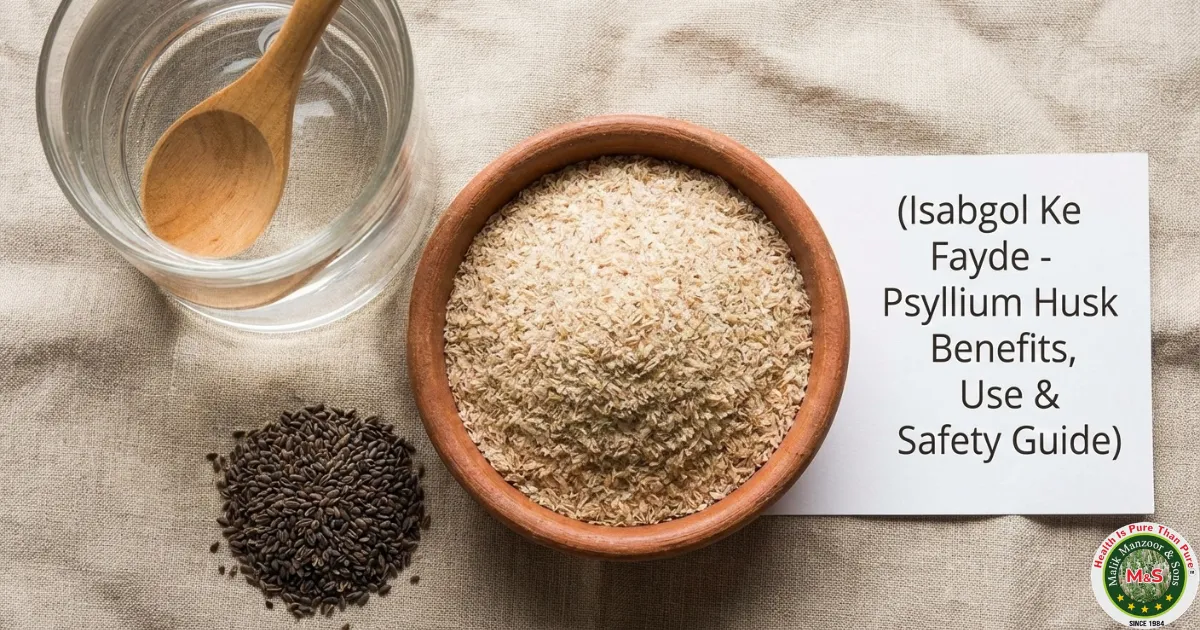
Isabgol Ke Fayde – Psyllium Husk Ke Poori Science-Based Rahnumayi – 2026
Isabgol ke fayde jaanna aaj ke daur mein zyada zaroori
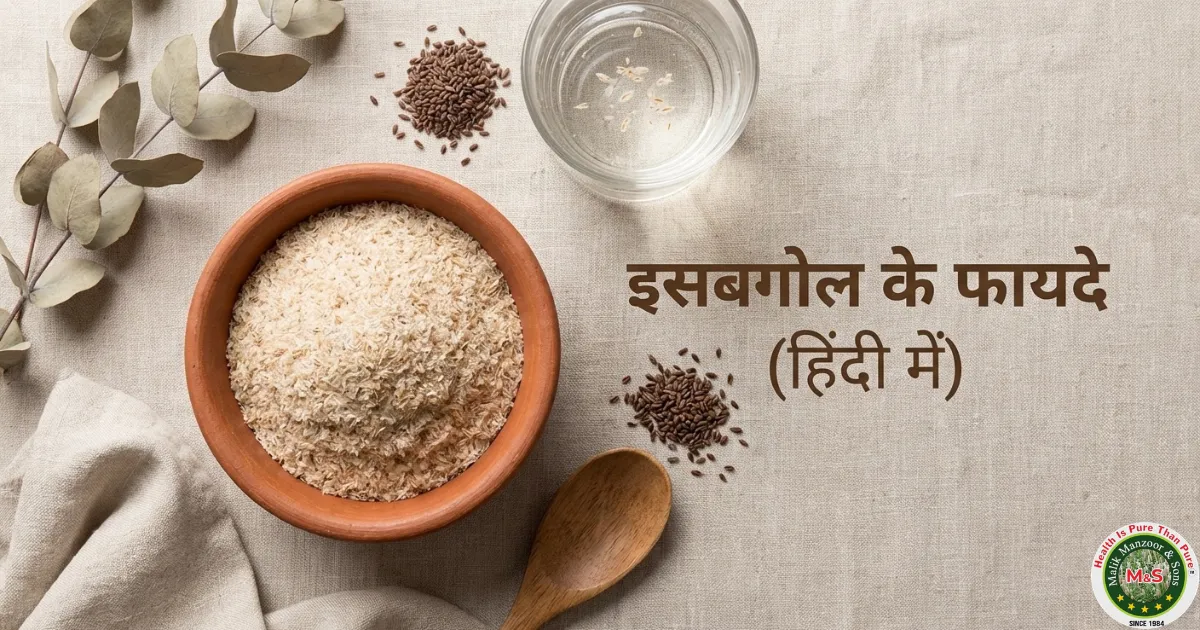
Isabgol Benefits in Hindi | Psyllium Husk Ke Fayde, Sahi Upyog Aur Savdhaniyan – 2026
Agar aap isabgol benefits in hindi mein samajhna chahte hain,