
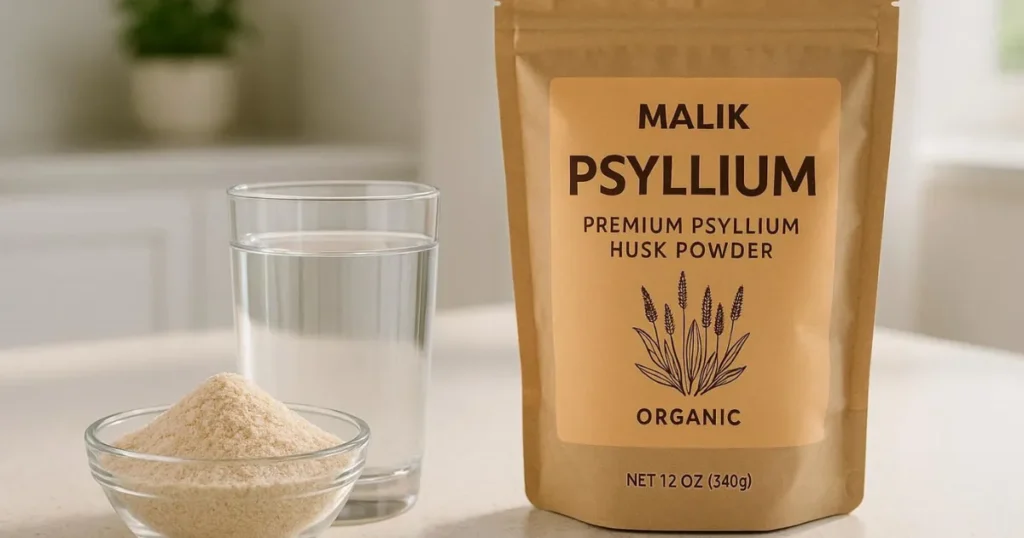
For years, people have asked me the same question: Is it safe to take psyllium husk everyday? The short answer is yes – but only when you do it right. Daily psyllium can transform your digestive health, support weight management, and even improve cholesterol levels.
However, knowing how much psyllium husk is too much makes all the difference between reaping benefits and experiencing uncomfortable side effects. In this guide, I’ll share everything you need to know about safe daily use, optimal dosing, and warning signs that you’ve consumed too much psyllium husk.
What Is Psyllium Husk and How Does It Work?
Psyllium husk comes from the seeds of Plantago ovata, a plant that thrives in Pakistan’s unique climate and soil conditions. When I walk through our fields, I see firsthand why Pakistan produces the world’s finest psyllium – the combination of arid climate, mineral-rich soil, and traditional cultivation methods creates unmatched purity and swelling capacity.
The magic happens when psyllium husk meets water. Each tiny fiber expands up to 10 times its original size, forming a gel-like substance that moves smoothly through your digestive system. This soluble fiber absorbs water, softens stool, and feeds beneficial gut bacteria without being digested itself.
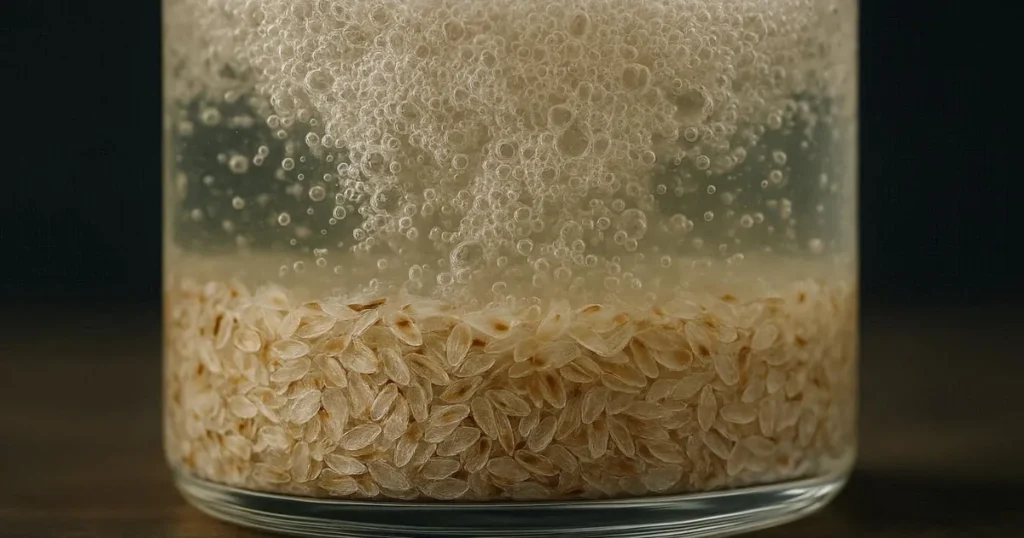
How the mechanism works:
- Absorbs water in the stomach and intestines
- Creates bulk that triggers natural peristalsis
- Slows sugar absorption into the bloodstream
- Binds to bile acids containing cholesterol
- Ferments partially in the colon, producing beneficial short-chain fatty acids
Is It Safe to Take Psyllium Husk Everyday?
Yes, taking psyllium husk daily is safe for most people when consumed correctly. Clinical studies spanning decades confirm that consistent, moderate use poses minimal risk and delivers sustained health benefits.
I’ve worked with nutritionists, doctors, and thousands of customers worldwide who incorporate psyllium into their daily routine. The key to safety lies in three factors: proper dosage, adequate hydration, and gradual introduction.
Daily use benefits include:
- Consistent digestive regularity
- Stable blood sugar levels throughout the day
- Gradual cholesterol reduction
- Sustained feeling of fullness for weight management
- Improved gut microbiome diversity over time
Most health authorities, including the FDA, recognize psyllium as safe for long-term consumption. The FDA even allows specific health claims about psyllium’s role in reducing heart disease risk when combined with a low-fat diet.
However, “safe” doesn’t mean unlimited. Understanding how much psyllium husk is too much prevents potential complications.
How Much Psyllium Husk Is Too Much?
The standard recommendation ranges from 5 to 10 grams daily for adults, typically split into two doses. Going beyond 30 grams per day enters risky territory where you’re likely consuming too much psyllium husk.
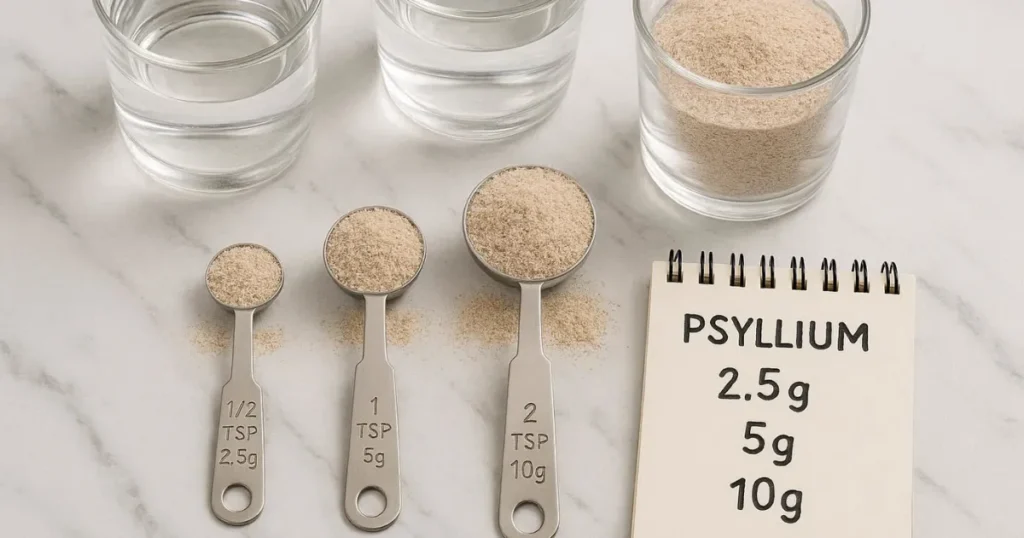
Recommended dosage guidelines:
| User Type | Daily Amount | Frequency |
| Beginners | 2.5–5 grams | Once daily |
| Regular users | 5–10 grams | Twice daily |
| Therapeutic use | 10–15 grams | 2–3 times daily |
| Maximum safe limit | Up to 30 grams | Spread throughout day |
I always tell customers to start small. Your body needs time to adjust to increased fiber intake. Beginning with 2.5 grams once daily and increasing gradually over two weeks prevents most side effects.
Signs you’re taking too much psyllium husk:
- Severe bloating or cramping
- Excessive gas production
- Diarrhea or loose stools
- Difficulty swallowing (if not mixed properly).
- Intestinal blockage (rare but serious).
- Reduced absorption of medications or minerals.
The Science Behind Daily Psyllium Consumption.
Research consistently demonstrates psyllium’s safety profile. A meta-analysis of 21 clinical trials involving over 1,700 participants found no serious adverse effects from daily psyllium use over periods ranging from 3 weeks to 6 months.
The longest study I’ve reviewed followed participants for 26 weeks using 10.2 grams daily. Results showed sustained improvements in cholesterol levels without negative health impacts. Another fascinating study examined psyllium’s effect on gut microbiota, revealing increased populations of beneficial Lactobacillus and Bifidobacterium species.
Key research findings:
- Reduces LDL cholesterol by 5 – 10% when taken daily.
- Lowers postprandial blood glucose by up to 20%.
- Increases stool frequency without causing dependency.
- Does not interfere with mineral absorption at recommended doses.
- Shows no evidence of tolerance development over time.
At Malik Psyllium, we regularly test our products to ensure they meet pharmaceutical-grade standards. Pakistani psyllium consistently shows higher swelling factors – often 12:1 compared to 8:1 from other regions – meaning you need less to achieve the same effect.
Health Benefits of Taking Psyllium Husk Everyday.

Digestive Health and Regularity.
Daily psyllium creates predictable bowel movements without the harsh effects of stimulant laxatives. I’ve seen customers transition from chronic constipation to comfortable regularity within two weeks of consistent use.
The beauty of psyllium is its dual action – it relieves both constipation and mild diarrhea by normalizing stool consistency. This makes it invaluable for people with irritable bowel syndrome (IBS).
Heart Health and Cholesterol Management.
When you consume psyllium with meals, it binds to cholesterol-rich bile acids in your intestines. Your liver must then pull cholesterol from your bloodstream to produce new bile acids, effectively lowering overall cholesterol levels.
Studies show that 7 grams daily can reduce total cholesterol by 4% and LDL cholesterol by 7% within 8 weeks. Combined with heart-healthy eating, these numbers improve significantly.
Blood Sugar Control.
For people managing diabetes or prediabetes, psyllium slows carbohydrate absorption, preventing blood sugar spikes after meals. Taking 5 grams before breakfast has shown remarkable benefits in maintaining steady glucose levels throughout the morning.
Weight Management Support.
The gel-forming action creates substantial fullness, helping you eat less without feeling deprived. In weight loss studies, participants who took psyllium before meals consumed 10 – 15% fewer calories naturally.
Gut Microbiome Enhancement.
Your beneficial gut bacteria ferment psyllium fiber, producing butyrate – a short-chain fatty acid that strengthens intestinal walls and reduces inflammation. Daily consumption gradually shifts your microbiome toward healthier bacterial populations.
Practical Guide to Safe Daily Use.

Mixing and Timing.
Always mix psyllium thoroughly with at least 8 ounces of water. I recommend this simple method:
- Add psyllium powder to your glass first.
- Pour water over it while stirring vigorously.
- Drink immediately before it thickens.
- Follow with another full glass of water.
Best times to take psyllium:
- Morning: 30 minutes before breakfast for appetite control.
- Pre-meal: 15 – 20 minutes before lunch or dinner.
- Evening: 2 hours after dinner for overnight digestive support.
- Never right before bed (allows proper settling).
Hydration Requirements.
Here’s something critical that many people miss: you need 8 ounces of water per 5 grams of psyllium. If you’re taking 10 grams daily, that’s 16 ounces minimum just for the psyllium, plus your regular daily water intake.
Inadequate hydration turns psyllium’s benefits into risks. The fiber can absorb so much intestinal fluid that it causes blockage rather than relief.
Medication Interactions.
Take psyllium at least 2 hours before or 4 hours after medications. This prevents the fiber from interfering with drug absorption. Particularly important for:
- Diabetes medications.
- Heart medications (digoxin).
- Antidepressants (tricyclics).
- Cholesterol-lowering drugs.
- Thyroid hormones.
Starting Your Daily Routine.
- Week 1: 2.5 grams once daily, morning.
- Week 2: 5 grams once daily, morning.
- Week 3: 5 grams twice daily, morning and evening.
- Week 4+: Maintain or adjust to 10 grams total based on response.
This gradual approach lets your digestive system adapt without discomfort.
Common Myths about Daily Psyllium Use.
Myth 1: “Your Body Becomes Dependent”.
False. Unlike stimulant laxatives, psyllium doesn’t weaken intestinal muscles. It provides the bulk your digestive system needs to function optimally. When you stop taking it, your bowels return to their baseline – they don’t worsen.
Myth 2: “All Fiber Supplements Are the Same”.
Quality varies dramatically. Pakistani psyllium, particularly from regions around Mirpur Mathelo, contains 85% pure fiber compared to 60 – 70% from inferior sources. Higher purity means better results with smaller doses, reducing the risk of consuming too much psyllium husk unnecessarily.
Myth 3: “You Can’t Take It Long-Term”.
Numerous studies document safe use for years. Some participants in cardiovascular studies have used psyllium continuously for over 5 years with continued benefits and no adverse effects.
Myth 4: “It Strips Nutrients from Your Body”.
At recommended doses, psyllium doesn’t significantly affect mineral absorption. Only when people exceed 30 grams daily does research show potential interference with zinc, iron, and calcium absorption.
Recognizing and Managing Side Effects.
Mild Side Effects (Common Initially).
- Gas and bloating (usually resolves within 1 – 2 weeks).
- Mild stomach cramping.
- Increased thirst.
- More frequent bowel movements.
- Management: Reduce dosage temporarily, increase water intake, and allow adaptation time.
Warning Signs of Too Much Psyllium Husk.
Stop immediately and consult a doctor if you experience:
- Severe abdominal pain.
- Vomiting.
- Difficulty swallowing or breathing.
- Chest pain.
- Persistent diarrhea for more than 2 days.
- Rectal bleeding.
- No bowel movement after 3 days of use.
These rare symptoms suggest either excessive intake or an underlying condition requiring medical attention.
Who Should Avoid Daily Psyllium?
Certain individuals need medical supervision or should avoid psyllium entirely:
- People with esophageal narrowing or swallowing disorders.
- Those with intestinal blockage history.
- Individuals with severe gastroparesis.
- Anyone with psyllium allergies (rare but serious).
- People on multiple medications without a doctor’s consultation.
Psyllium Quality Matters for Safety.
Throughout my career, I’ve tested psyllium from every major growing region. The difference between Pakistani psyllium and alternatives isn’t just marketing – it’s measurable in laboratory results.
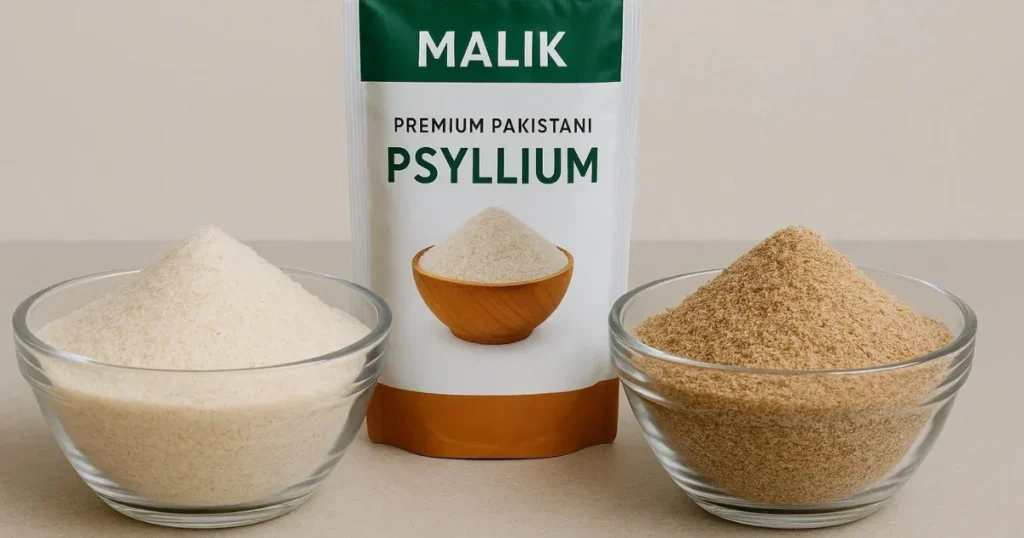
Quality indicators:
| Factor | Pakistani Psyllium | Standard Psyllium |
| Purity | 85–99% | 60–75% |
| Swelling Index | 10–12:1 | 6–8:1 |
| Fiber Content | 70–75% | 50–60% |
| Husk Color | Light cream | Darker/variable |
| Particle Size | Fine, uniform | Coarser, mixed |
Higher quality means you achieve therapeutic effects with lower doses, automatically reducing the risk of taking too much psyllium husk. When you use premium products like those we produce at Malik Psyllium, you need less to accomplish more.
India produces a significant psyllium volume, but Pakistani varieties consistently outperform in independent quality assessments. The climate in Sindh and Punjab provinces creates ideal growing conditions that other regions struggle to replicate.
Real-World Applications and Success Stories.
For Chronic Constipation.
I worked with a 52-year-old customer who suffered from constipation for 15 years. She started with 5 grams of our psyllium husk daily, mixed in her morning smoothie. Within 10 days, she experienced regular, comfortable bowel movements for the first time in over a decade. She’s maintained this routine for 3 years without any side effects.
For IBS Management.
A young professional with IBS-D (diarrhea-predominant) found that 7.5 grams daily stabilized his symptoms. The psyllium normalized his stool consistency, reducing urgent bathroom trips from 5 – 6 times daily to 2 – 3 predictable movements.
For Cholesterol Control.
A 60-year-old with borderline high cholesterol avoided statin medication by using 10 grams of psyllium daily combined with dietary changes. His LDL dropped 22 points over 12 weeks, and he’s maintained these levels for 2 years.
Comparing Daily Psyllium to Other Fiber Sources.
While whole foods should provide most dietary fiber, psyllium offers concentrated benefits:
Fiber content comparison (per 10 grams):
- Psyllium husk: 7 – 8 grams soluble fiber.
- Oat bran: 1.5 grams of soluble fiber.
- Chia seeds: 3 grams of soluble fiber.
- Flaxseed: 2.2 grams of soluble fiber.
- Apple (medium): 0.7 grams of soluble fiber.
The advantage isn’t replacing whole foods but efficiently supplementing when diet alone falls short. Most people consume only 15 grams of fiber daily – half the recommended 25 – 38 grams. Adding 5 – 10 grams of psyllium bridges this gap effectively.
Global Perspective on Psyllium Safety.
Regulatory bodies worldwide recognize psyllium’s safety:
- FDA (USA): Approved health claims for heart disease risk reduction.
- European Food Safety Authority: Positive opinion on cholesterol and blood sugar benefits.
- Health Canada: Licensed as both a food ingredient and a natural health product.
- Australian TGA: Listed medicine status for digestive health.
This global recognition stems from psyllium’s 80+ year history in Western medicine and centuries of traditional use in South Asia and the Middle East.
Creating Your Personalized Daily Plan.
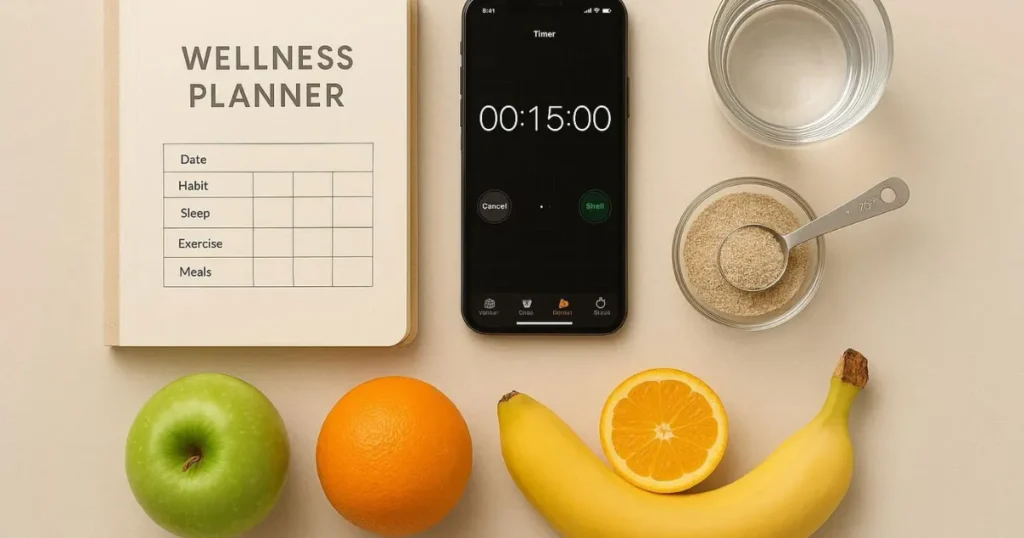
Step 1: Assess Your Needs.
Are you seeking digestive regularity, cholesterol management, blood sugar control, or weight support? Your goal influences timing and dosage.
Step 2: Choose Quality Psyllium.
Select pharmaceutical-grade psyllium from reputable sources. Look for products with high swelling indices and minimal additives.
Step 3: Establish Your Schedule.
Consistency matters more than perfection. Choose times you can maintain daily – morning routine, before dinner, or both.
Step 4: Monitor Your Response.
Keep simple notes for the first month: bowel movement frequency, comfort level, energy, and any side effects. Adjust dosage based on results.
Step 5: Maintain Hydration.
Set reminders if needed. Adequate water intake isn’t optional – it’s essential for safety and effectiveness.
Step 6: Review Quarterly.
Every 3 months, assess whether psyllium still serves your needs. Some people reduce dosage after establishing regularity; others maintain consistent intake indefinitely.
Can I take psyllium husk every day for years?
Yes, clinical studies show safe long-term use. Many people take psyllium daily for decades without issues when following proper dosing and hydration guidelines.
How much psyllium husk is too much for weight loss?
More than 15 grams daily typically provides no additional weight loss benefits and increases side effect risks. Stick to 5 – 10 grams for optimal results.
Does daily psyllium cause dependency like laxatives?
No, psyllium doesn’t weaken intestinal function. It’s not a stimulant laxative and doesn’t cause dependency. Your bowels simply return to baseline when you stop.
What happens if I take too much psyllium husk at once?
Taking 20+ grams at once can cause severe bloating, cramping, gas, and potentially intestinal blockage. Always split doses and never exceed recommended amounts.
Is it safe to take psyllium husk everyday while pregnant?
Generally, yes, but consult your healthcare provider first. Psyllium is considered safe during pregnancy for managing constipation, but individual circumstances vary.
Can children take psyllium husk daily?
Yes, with proper dosing: ages 6 – 11 use half the adult dose (2.5 – 5 grams), ages 12+ can use adult doses. Always consult a pediatrician first.
How much water do I need with daily psyllium?
Minimum 8 ounces per 5-gram dose, immediately upon mixing. Follow with another glass within 30 minutes for the best results and safety.
Will taking psyllium everyday affect my medication absorption?
Yes! Take psyllium 2 – 4 hours away from medications to prevent interference. Timing is crucial for maintaining medication effectiveness while using daily psyllium.
Conclusion – The Bottom Line on Daily Safety.
So, is it safe to take psyllium husk everyday? Absolutely, when you follow proper guidelines. The key is understanding that “safe” requires responsibility: appropriate dosing, adequate hydration, gradual introduction, and attention to your body’s signals.
After decades of working with psyllium, I’m confident in recommending daily use for most adults. The evidence supports long-term safety, and real-world experience confirms that millions of people worldwide benefit from consistent psyllium consumption without adverse effects.
Remember that knowing how much psyllium husk is too much protects you from unnecessary complications. Stay within the 5 – 10 gram daily range for general health maintenance, increase to 15 grams only if needed for specific health conditions, and never exceed 30 grams without medical supervision.
The difference between helpful and harmful often comes down to quality. Premium psyllium from Pakistan requires smaller doses to achieve better results, naturally keeping you within safe ranges. When you respect the plant’s power and use it wisely, psyllium becomes one of the safest, most effective natural supplements available.
Start small, stay hydrated, be consistent, and listen to your body. That’s the formula for safely enjoying psyllium’s remarkable benefits every single day.

Isabgol Ke Fayde – Psyllium Husk Ke Poori Science-Based Rahnumayi – 2026
Isabgol ke fayde jaanna aaj ke daur mein zyada zaroori
Isabgol Benefits in Hindi | Psyllium Husk Ke Fayde, Sahi Upyog Aur Savdhaniyan – 2026
Agar aap isabgol benefits in hindi mein samajhna chahte hain,