
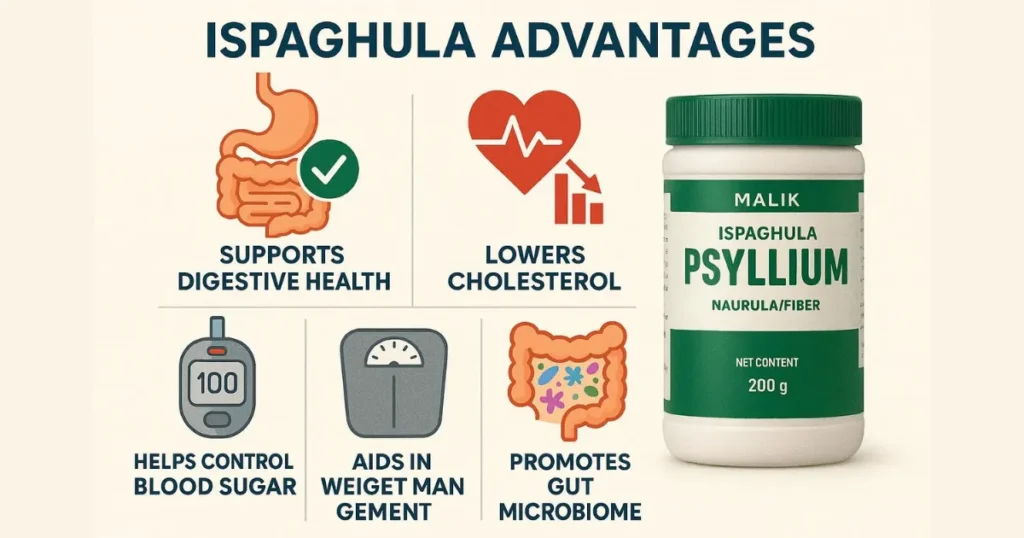
Understanding the advantages of ispaghula husk reveals why this ancient fiber source has become a cornerstone of modern digestive health, cholesterol management, and blood sugar control. From its unique gel-forming properties to its multiple therapeutic mechanisms, ispaghula (also known as psyllium) offers benefits that few other fiber supplements can match.
This comprehensive guide explores the complete ispaghula husk mechanism of action – how it physically works in your digestive system, chemically interacts with cholesterol and glucose, and biologically affects your gut microbiome. You’ll discover evidence-based advantages for digestive wellness, metabolic health, weight management, and long-term disease prevention. Whether you’re seeking natural constipation relief, cholesterol reduction without medication, or sustainable fiber supplementation, understanding how and why ispaghula works helps you maximize its remarkable therapeutic potential.
What is Ispaghula Husk and How Does It Work?
Before exploring the advantages of ispaghula husk (Psyllium Husk), let me explain what it is and the fundamental mechanisms that deliver health benefits.
The Source
Ispaghula husk comes from Plantago ovata, a medicinal plant cultivated primarily in Pakistan’s Sindh and Punjab provinces. The husk—the outer coating of the seed—contains 70-85% dietary fiber, including exceptional mucilage content that creates its unique therapeutic properties.
The Term “Ispaghula”
“Ispaghula” derives from Persian words meaning “horse flower” or “horse’s ear,” referring to the plant’s flower spike shape. This term is used throughout South Asia, the Middle East, and in British Pharmacopoeia, while “psyllium” is the Western scientific name. They refer to the identical plant and fiber.
Primary Physical Properties
What makes ispaghula unique:
- 70-85% fiber content: Among the highest in natural sources
- 60-70% soluble fiber: Creates viscous gel
- 10-15% mucilage: The therapeutically active component (Pakistani ispaghula shows 12-15% vs. 8-10% from other regions)
- 10-14x expansion: Absorbs water rapidly
These properties drive the multiple mechanisms that create health advantages.
Ispaghula Husk Mechanism of Action: How It Works in Your Body
Understanding the ispaghula husk mechanism of action helps explain its diverse therapeutic benefits.
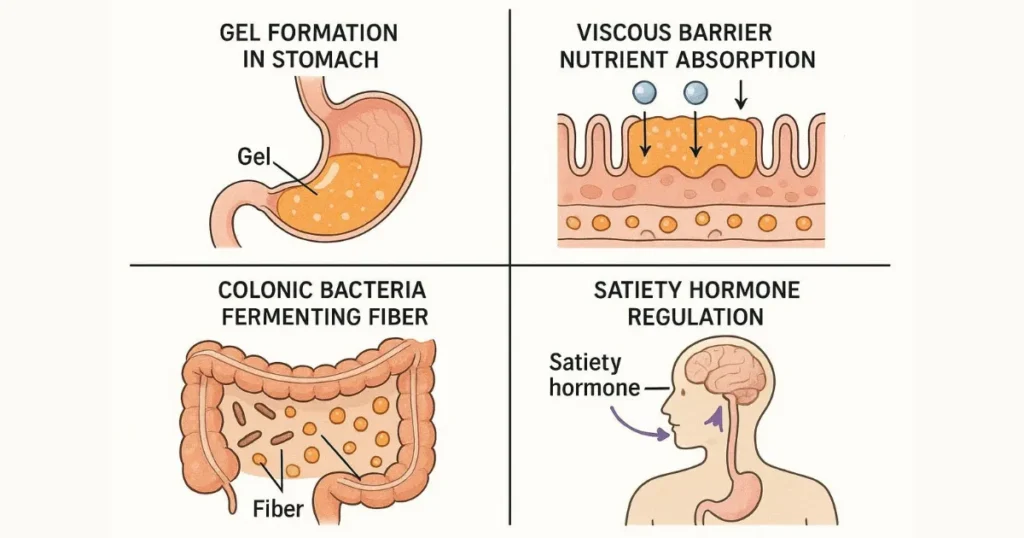
Mechanism 1: Physical Bulk Formation
The process:
- Ispaghula contacts water in stomach and intestines
- Mucilage absorbs liquid rapidly (10-14 times original volume)
- Forms soft, bulky gel mass
- Increases stool volume and softness
- Stimulates intestinal wall stretch receptors
- Triggers peristaltic contractions
Result: Normalized bowel movements, relief from both constipation and diarrhea through different aspects of the same mechanism.
Mechanism 2: Viscosity and Metabolic Effects
The process:
- Soluble fiber creates highly viscous gel in small intestine
- Gel slows gastric emptying
- Creates physical barrier to nutrient absorption
- Delays glucose entry into bloodstream
- Binds bile acids (which contain cholesterol)
- Forces liver to use blood cholesterol for new bile acid production
Result: Lower blood sugar spikes, reduced cholesterol levels, improved metabolic markers.
Mechanism 3: Colonic Fermentation
The process:
- Indigestible fiber reaches colon intact
- Beneficial bacteria (Bifidobacteria, Lactobacillus) ferment fiber
- Produces short-chain fatty acids (butyrate, propionate, acetate)
- These fatty acids nourish colonocytes (intestinal cells)
- Reduce inflammation throughout the body
- Strengthen intestinal barrier function
Result: Improved gut microbiome, enhanced immune function, reduced systemic inflammation.
Mechanism 4: Satiety and Appetite Regulation
The process:
- Gel fills stomach, creating physical fullness
- Slows digestion, extending satiety duration
- Reduces ghrelin (hunger hormone) secretion
- Increases peptide YY and GLP-1 (satiety hormones)
- Stabilizes blood sugar (prevents crashes that trigger hunger)
Result: Reduced appetite, lower caloric intake, and support for weight management.
Major Advantages of Ispaghula Husk for Digestive Health
The most recognized psyllium husk advantages center on digestive system optimization.
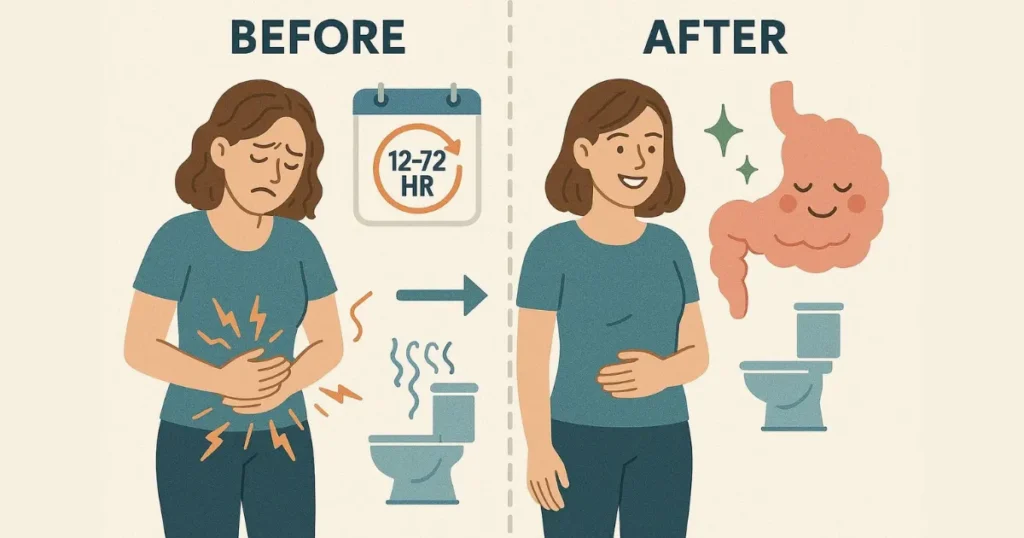
Advantage 1: Bidirectional Stool Normalization
Unlike most fiber supplements that work in one direction only:
For constipation:
- Softens hard stool through water absorption
- Adds bulk to stimulate movement
- Lubricates intestinal passage
- Relief typically within 12-72 hours
For diarrhea:
- Absorbs excess water, firming loose stool
- Adds structure to watery movements
- Slows excessive transit
- Improvement within 6-24 hours
This dual action makes ispaghula uniquely versatile—one solution for opposite problems.
Advantage 2: Predictable Regularity
With consistent use:
- Establishes predictable bowel timing (often morning)
- Reduces urgency and cramping
- Minimizes straining and effort
- Creates comfortable, complete evacuation
- Works without weakening natural bowel function
Advantage 3: IBS Symptom Management
Research shows ispaghula helps both IBS-C (constipation-predominant) and IBS-D (diarrhea-predominant):
- Reduces abdominal pain and discomfort
- Normalizes bowel frequency
- Improves stool consistency
- Decreases bloating over time
- Provides gentle, non-irritating fiber
Advantage 4: Hemorrhoid and Fissure Prevention
By creating soft, easy-to-pass stools:
- Prevents straining that causes hemorrhoids
- Reduces anal fissure formation
- Aids healing of existing issues
- Maintains long-term anorectal health
Metabolic Advantages: Cholesterol and Blood Sugar Control
Beyond digestion, ispaghula offers powerful metabolic benefits.
Advantage 5: Cholesterol Reduction
The ispaghula husk mechanism of action for cholesterol:
How it works:
- Viscous gel binds bile acids in intestines
- Bile acids contain cholesterol
- Bound bile acids excreted rather than reabsorbed
- Liver must use blood cholesterol to make new bile acids
- Blood cholesterol levels decline
Evidence-based results:
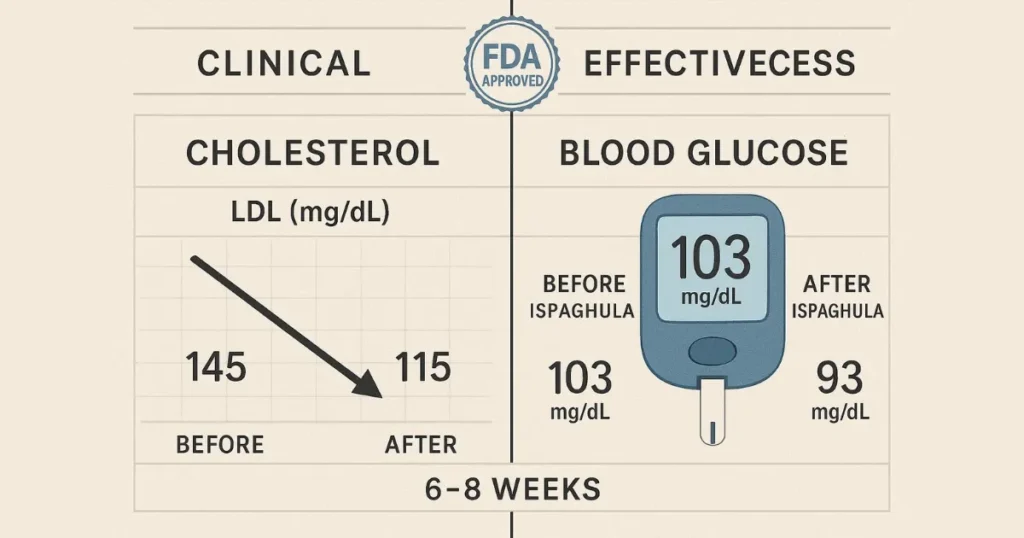
- LDL cholesterol: Reduced 5-10% with 10-15 grams daily
- Total cholesterol: Decreased 4-8%
- HDL cholesterol: Maintained or slightly improved
- Triglycerides: Modest reduction (5-15%)
- Timeline: Peak effects at 6-8 weeks
The FDA has approved a health claim for psyllium’s cholesterol-lowering and heart disease risk reduction effects—one of few fiber sources with this distinction.
Advantage 6: Blood Sugar Stabilization
For diabetics and prediabetics, ispaghula provides:
Immediate effects (same day):
- 20-30% reduction in post-meal glucose spikes
- Slowed carbohydrate digestion and absorption
- Reduced insulin requirements per meal
Long-term effects (8-12 weeks):
- HbA1c reduction: 0.5-1.0% typical
- Fasting glucose: 10-20 mg/dL decrease
- Insulin sensitivity: 10-15% improvement
- Hypoglycemia risk: Reduced through stabilization
Advantage 7: Metabolic Syndrome Management
Ispaghula addresses multiple metabolic syndrome components:
- Lowers blood pressure (modest 2-5 mmHg)
- Reduces waist circumference
- Improves lipid profiles
- Enhances insulin sensitivity
- Decreases inflammation markers (C-reactive protein)
Weight Management and Satiety Advantages
While not a weight loss miracle, ispaghula provides genuine support.
Advantage 8: Enhanced Satiety
The gel-forming property creates:
- Physical stomach fullness
- Extended digestion time
- Prolonged satiety between meals
- Reduced snacking frequency
- Natural portion size reduction
Advantage 9: Caloric Intake Reduction
Studies demonstrate:
- 100-200 fewer calories per day naturally
- No conscious restriction required
- Pre-meal timing maximizes effect
- Sustained over long-term use
Advantage 10: Weight Loss Support
When combined with modest caloric deficit:
- Additional 1-3 pounds loss over 12 weeks vs. diet alone
- Easier adherence to eating plans
- Reduced hunger-related stress
- Better maintenance of lost weight
- No stimulant effects or jitteriness
The psyllium husk powder mechanism supports weight goals without dangerous stimulants or restrictive dieting.
Gut Microbiome and Immune Advantages
Modern research reveals profound effects on gut ecology and systemic health.
Advantage 11: Prebiotic Effects
Ispaghula feeds beneficial bacteria:
- Increases Bifidobacteria populations
- Boosts Lactobacillus species
- Reduces pathogenic bacteria
- Enhances microbial diversity
- Produces beneficial metabolites
Advantage 12: Short-Chain Fatty Acid Production
Bacterial fermentation creates:
- Butyrate: Nourishes colonocytes, reduces inflammation
- Propionate: Regulates appetite, improves metabolism
- Acetate: Provides energy, supports immune function
These compounds deliver benefits throughout the body, not just the gut.
Advantage 13: Intestinal Barrier Strengthening
Ispaghula helps maintain “tight junctions” between intestinal cells:
- Prevents “leaky gut” syndrome
- Reduces systemic inflammation
- Improves immune regulation
- Decreases autoimmune trigger exposure
Advantage 14: Immune System Support
Through gut microbiome optimization:
- 70-80% of immune cells reside in gut
- Healthy microbiome trains immune system
- Reduced inflammatory conditions
- Better resistance to infections
Cardiovascular and Long-Term Health Advantages
The advantages of ispaghula husk extend to long-term disease prevention.
Advantage 15: Heart Disease Risk Reduction
Multiple mechanisms protect cardiovascular health:
- Direct cholesterol lowering (5-10% LDL)
- Blood pressure reduction (2-5 mmHg)
- Inflammation decrease (lower CRP)
- Weight management support
- Improved endothelial function
Meta-analyses show 10-15% reduction in cardiovascular event risk with regular ispaghula use.
Advantage 16: Diabetes Prevention and Management
For prediabetics:
- Slows progression to type 2 diabetes
- Improves glucose tolerance
- Enhances insulin sensitivity
- Reduces diabetes medication needs over time
Advantage 17: Colorectal Cancer Risk Reduction
Evidence suggests protective effects:
- Increased stool bulk dilutes carcinogens
- Faster transit reduces exposure time
- Butyrate production protects colonocytes
- Studies show 20-40% risk reduction with high fiber intake
Advantage 18: Diverticulosis and Diverticulitis Prevention
Fiber adequacy prevents:
- Diverticula formation in colon walls
- Inflammation of existing diverticula
- Complications requiring surgery
- Chronic digestive dysfunction
Practical and Lifestyle Advantages
Beyond clinical benefits, ispaghula offers practical advantages.
Advantage 19: Simple, Safe, Natural
Compared to medications:
- No prescription required
- Minimal side effects
- Natural plant-based source
- Safe for long-term daily use
- Works with body’s natural processes
Advantage 20: Cost-Effective Health Solution
Particularly premium Pakistani ispaghula:
- Pennies per serving
- Addresses multiple health concerns simultaneously
- Reduces medication needs over time
- Prevents costly health complications
- Excellent health investment return
Advantage 21: Versatile Usage Options
Multiple consumption methods:
- Powder mixed in beverages
- Capsules for convenience
- Added to foods (smoothies, oatmeal, baking)
- Granules in traditional preparations
- Flexible timing and dosing
Advantage 22: Compatible with All Diets
Works within various dietary approaches:
- Ketogenic (1-2 net carbs per serving)
- Vegan and vegetarian
- Gluten-free
- Paleo
- Diabetic meal plans
- Low-FODMAP (well-tolerated)
Quality-Related Advantages: Why Pakistani Ispaghula Leads
Geographic origin significantly affects the advantages of ispaghula husk you experience.
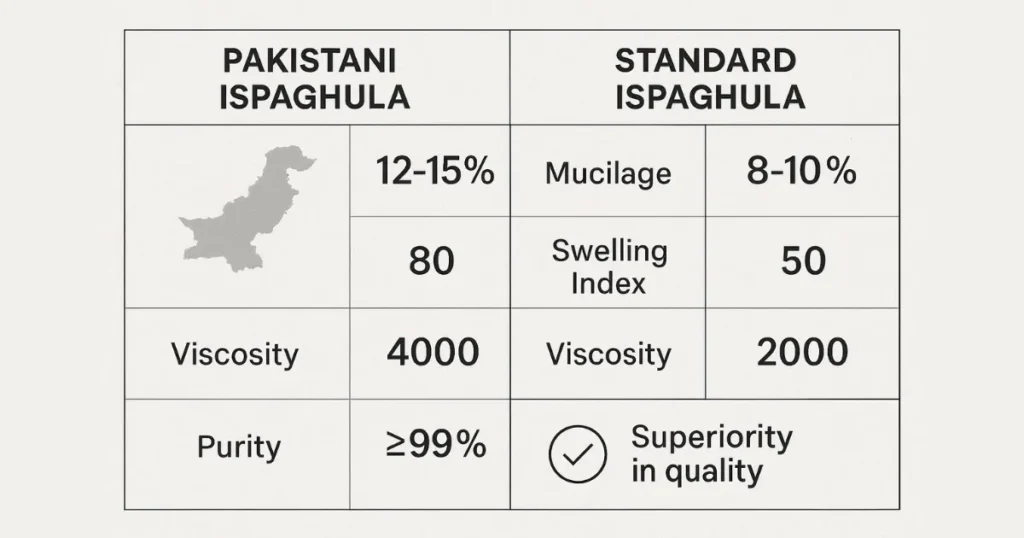
Superior Mucilage Content
Pakistani ispaghula from Sindh and Punjab:
- 12-15% mucilage vs. 8-10% from other regions
- Stronger gel formation
- Better therapeutic effects
- Faster results
- More consistent quality
Higher Purity Standards
Malik Psyllium Premium Pakistani processing:
- 98-99% purity achievable
- Minimal seed material
- No adulterants
- Rigorous testing protocols
- Pharmaceutical-grade quality
Better Swelling Index
Quality indicator:
- Pakistani ispaghula: 45-55 swelling index
- Standard ispaghula: 35-42 swelling index
- Higher = better water absorption and effectiveness
Enhanced Viscosity
Gel strength measurements:
- Pakistani: 3,000-4,500 centipoise
- Standard: 2,000-3,000 centipoise
- Higher viscosity = stronger metabolic effects
These quality differences translate to 20-30% better therapeutic outcomes—you need less product for equivalent or superior results.
Comparative Advantages over Other Fiber Sources
Understanding how ispaghula compares to alternatives highlights its unique benefits.
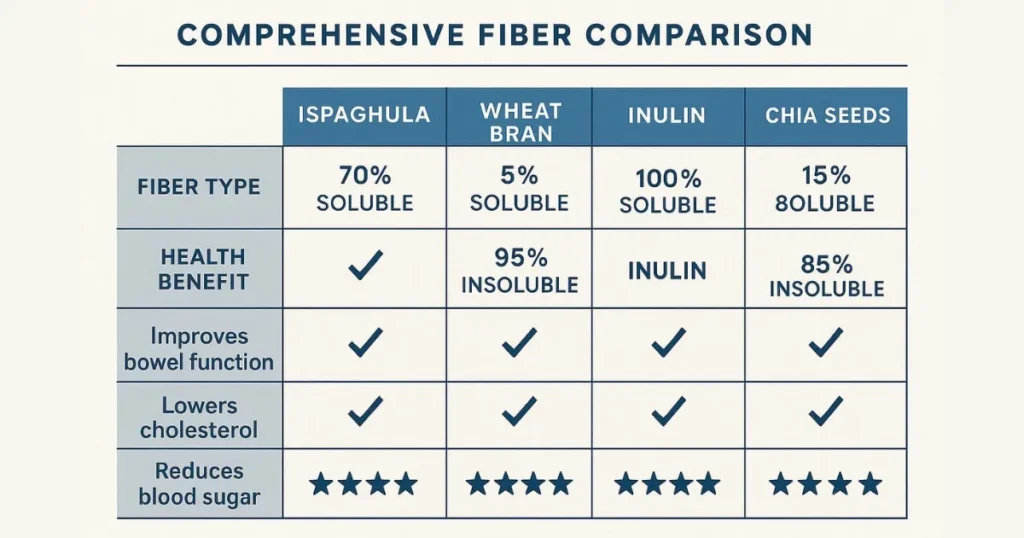
Ispaghula vs. Wheat Bran
| Factor | Ispaghula | Wheat Bran |
| Fiber type | 60-70% soluble | 90% insoluble |
| Cholesterol effect | Reduces 5-10% | Minimal effect |
| Blood sugar | Significant improvement | Minor benefit |
| Gluten content | None | Contains gluten |
| Digestive action | Gentle, dual-direction | Can be harsh |
Ispaghula vs. Inulin
Inulin offers strong prebiotic effects but:
- Causes significant gas and bloating
- No bulk-forming benefit
- Doesn’t help constipation mechanically
- No cholesterol or blood sugar effects
Ispaghula provides broader benefits with better tolerability.
Ispaghula vs. Methylcellulose
Synthetic fiber (Citrucel) compared to natural ispaghula:
- Methylcellulose doesn’t ferment (less microbiome benefit)
- No cholesterol-lowering effect
- No blood sugar benefits
- Less well-researched
- More expensive per gram of fiber
Ispaghula vs. Chia/Flax Seeds
Seeds offer additional nutrients (omega-3s, protein) but:
- Lower total fiber concentration
- Less soluble fiber
- Weaker gel formation
- More calories
- Less research on therapeutic effects
For pure fiber therapy, ispaghula delivers superior, focused benefits.
Scientific Evidence Supporting Ispaghula Advantages
Let me share research validating these benefits.
Digestive Health Studies
Meta-analyses of 70+ studies show:
- 80-90% of constipation sufferers improve
- Average increase of 1.4 bowel movements weekly
- Significant symptom reduction in IBS patients
- Superior to placebo in all randomized controlled trials
Cholesterol Research
Over 60 clinical trials demonstrate:
- Consistent 5-10% LDL reduction
- FDA-approved health claim
- Equivalent to low-dose statin in some studies
- Safe to combine with cholesterol medications
Blood Sugar Studies
Systematic reviews confirm:
- Immediate post-meal glucose reduction (20-30%)
- Long-term HbA1c improvement (0.5-1.0%)
- Reduced insulin requirements
- Better glycemic variability
Weight Management Research
Evidence shows:
- Modest but significant weight loss support
- Reduced waist circumference
- Improved body composition
- Enhanced diet adherence
Safety Profile
Decades of use and research confirm:
- Excellent safety record
- Minimal adverse effects
- Safe for long-term daily use
- No tolerance or dependency
- Generally Recognized as Safe (GRAS) by FDA
Optimizing the Advantages through Proper Use
Maximizing benefits requires understanding optimal usage.
Dosage for Different Goals
- Digestive regularity: 5-10 grams daily
- Cholesterol reduction: 10-15 grams daily
- Blood sugar control: 10-20 grams daily (split with meals)
- Weight management: 10-15 grams daily (before meals)
- General health: 5-10 grams daily
Preparation Best Practices
Hydration is critical:
- Minimum 8 oz water with ispaghula
- Additional 8 oz immediately after
- 8-10 glasses total throughout day
- Insufficient water negates benefits and causes problems
Timing strategies:
- Empty stomach (constipation relief)
- Before meals (weight management)
- With meals (blood sugar control)
- Split dosing (cholesterol management)
Gradual Introduction
Start low, increase slowly:
- Week 1: 5 grams once daily
- Week 2: 5 grams twice daily
- Week 3: 10 grams once or twice daily
- Week 4+: Therapeutic dose based on goals
This prevents initial gas, bloating, and discomfort.
Common Misconceptions about Ispaghula Advantages
Let me clarify misunderstandings that prevent optimal use.
Myth 1: All Fiber Works the Same
False. Ispaghula’s unique soluble-to-insoluble ratio, mucilage content, and gel-forming properties create distinct advantages. Wheat bran won’t lower cholesterol. Inulin won’t help constipation mechanically.
Myth 2: More is Always Better
Not true. Excessive fiber (50-70+ grams daily) causes:
- Bloating and gas
- Mineral absorption interference
- Intestinal discomfort
- No additional benefits beyond optimal dose
Stick to recommended amounts (10-30 grams daily).
Myth 3: Results Should Be Immediate for Everything
Unrealistic expectations. Different advantages have different timelines:
- Digestive: 12-72 hours
- Blood sugar (immediate effects): Same day
- Blood sugar (HbA1c): 8-12 weeks
- Cholesterol: 6-8 weeks
- Weight: 6-12 weeks
Myth 4: Quality Doesn’t Matter
Significant misconception. Pakistani ispaghula with 12-15% mucilage works 20-30% better than 8-10% mucilage products. Quality directly impacts advantages experienced.
Myth 5: Ispaghula Causes Dependency
Completely false. Unlike stimulant laxatives:
- Doesn’t weaken bowel function
- No tolerance development
- No physical dependency
- Can stop anytime without withdrawal
- Supports natural function
Addressing Potential Disadvantages and Side Effects
Honesty about limitations and side effects builds trust.
Initial Adjustment Period
First 3-7 days may include:
- Mild bloating
- Increased gas production
- Temporary cramping
- Changed bowel frequency
Solution: Start with small doses, increase gradually, ensure adequate hydration. Symptoms resolve as body adapts.
Medication Interactions
Ispaghula can bind medications:
- Reduces drug absorption if taken together
- Affects diabetes, thyroid, heart medications most
Solution: Take ispaghula 2+ hours before or after all medications.
Choking Risk (Rare)
Dry powder can swell in throat:
- Mix thoroughly with liquid
- Never consume dry
- Drink additional water after
Solution: Always prepare properly with adequate liquid.
Not a Standalone Solution
Ispaghula supports health but isn’t magic:
- Works best with healthy diet
- Enhances (not replaces) medications when needed
- Part of comprehensive health approach
- Requires consistency for benefits
Understanding these limitations helps set realistic expectations while maximizing the genuine advantages of ispaghula husk.
What are the main advantages of ispaghula husk?
Primary advantages include: bidirectional digestive relief (helps both constipation and diarrhea), 5-10% cholesterol reduction, 20-30% lower post-meal blood sugar spikes, weight management support through enhanced satiety, gut microbiome optimization, cardiovascular protection, and long-term colorectal health—all from one safe, natural fiber source.
What is the ispaghula husk mechanism of action?
Ispaghula works through four mechanisms: physical bulk formation (absorbs water 10-14x, normalizes stool), metabolic viscosity effects (slows glucose absorption, binds bile acids/cholesterol), colonic fermentation (feeds beneficial bacteria, produces short-chain fatty acids), and satiety regulation (fills stomach, extends fullness, reduces appetite hormone secretion).
How long does it take to experience ispaghula advantages?
Timeline varies by benefit: digestive relief in 12-72 hours, immediate blood sugar effects same-day (long-term HbA1c improvement in 8-12 weeks), cholesterol reduction in 6-8 weeks, weight management support over 6-12 weeks, gut microbiome optimization in 2-12 weeks. Consistency is essential for all benefits.
Is Pakistani ispaghula better than other sources?
Yes, Pakistani ispaghula from Sindh/Punjab provinces contains 12-15% mucilage vs. 8-10% from other regions, creating 20-30% better therapeutic effects. Higher swelling index (45-55 vs. 35-42), stronger viscosity (3,000-4,500 vs. 2,000-3,000 cP), and superior purity (98-99%) deliver consistently better results.
What makes ispaghula better than other fiber supplements?
Unique advantages include: 60-70% soluble fiber (highest among natural sources), dual-action for constipation AND diarrhea, proven cholesterol and blood sugar benefits (FDA-approved claims), excellent tolerability, extensive safety research, gluten-free, keto-friendly (1-2 net carbs), and compatible with all dietary approaches.
Does ispaghula have any disadvantages or side effects?
Initial 3-7 days may cause mild bloating, gas, or cramping (resolves with gradual introduction). Requires adequate hydration (8-10 glasses daily) to prevent constipation. Can bind medications if taken together (maintain 2-hour separation). Rare choking risk if consumed dry (always mix with liquid). Otherwise excellent safety profile.
How does ispaghula mechanism work for cholesterol reduction?
Soluble fiber forms viscous gel in intestines that binds bile acids containing cholesterol, preventing reabsorption. Bound bile acids are excreted. Liver must use blood cholesterol to produce new bile acids, lowering blood cholesterol levels. Mechanism delivers consistent 5-10% LDL reduction with 10-15 grams daily over 6-8 weeks.
What advantages does ispaghula offer for diabetics?
Immediate benefits: 20-30% reduction in post-meal glucose spikes, slowed carbohydrate digestion/absorption. Long-term benefits (8-12 weeks): 0.5-1.0% HbA1c reduction, 10-20 mg/dL fasting glucose decrease, 10-15% improved insulin sensitivity, reduced medication requirements, stabilized blood sugar preventing hypoglycemic episodes. Take with meals for best glycemic control.
Conclusion
The advantages of ispaghula husk span multiple body systems – from immediate digestive relief within 12-72 hours to long-term metabolic improvements over 6-12 weeks, cardiovascular protection, gut microbiome optimization, and chronic disease prevention. Understanding the complete ispaghula husk mechanism of action reveals why this ancient fiber source delivers such diverse benefits: physical bulk formation normalizes bowel function, viscous gel formation improves cholesterol and blood sugar, colonic fermentation supports gut ecology, and satiety effects aid weight management.
These mechanisms work synergistically, creating advantages that few single supplements can match. The bidirectional stool normalization helps both constipation and diarrhea. The metabolic effects reduce both cholesterol and blood sugar. The gut microbiome benefits enhance both digestion and immunity. This multi-system impact explains why ispaghula has been used therapeutically for over 1,000 years and continues to be recommended by modern healthcare practitioners worldwide.
Quality dramatically affects which advantages you experience. Pakistani ispaghula with 12-15% mucilage content delivers 20-30% superior results compared to standard 8-10% mucilage products, requiring smaller doses for equivalent or better therapeutic outcomes. The higher swelling index, stronger viscosity, and pharmaceutical-grade purity ensure consistent benefits across all mechanism pathways. Success requires proper usage: adequate dosing (10-20 grams for therapeutic benefits), excellent hydration (8-10 glasses daily), appropriate timing based on goals, and consistent daily use for weeks to months. When used correctly, ispaghula offers a safe, natural, cost-effective solution for digestive optimization, metabolic health, weight management support, and long-term wellness – advantages of Ispaghula Husk validated by extensive research and millions of satisfied users globally.

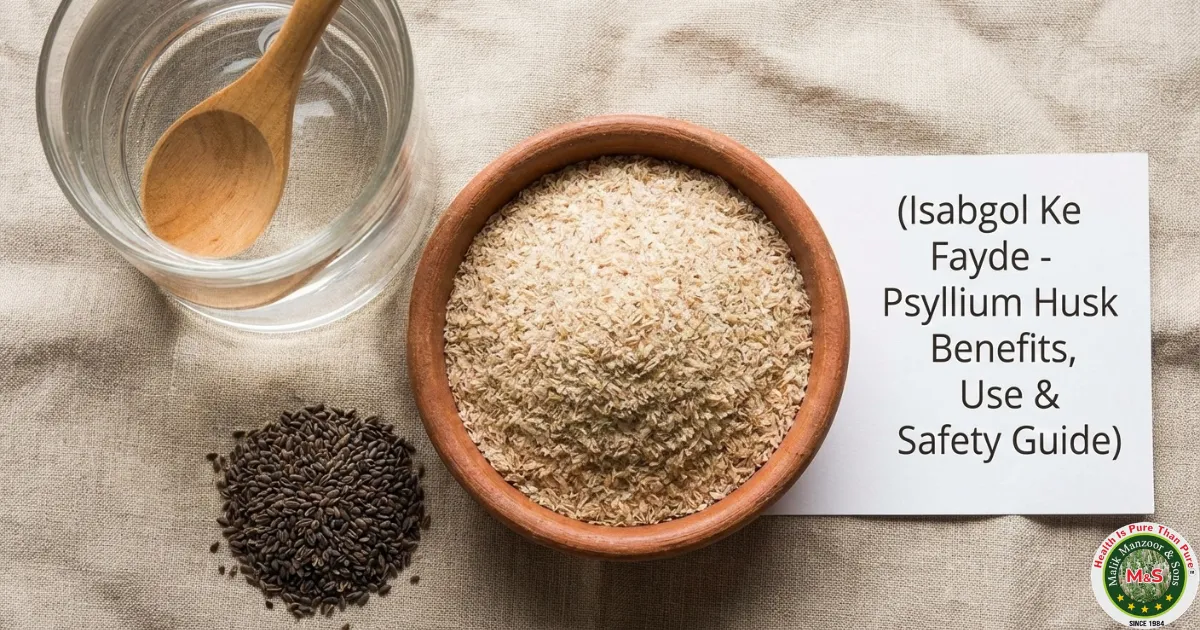
Isabgol Ke Fayde – Psyllium Husk Ke Poori Science-Based Rahnumayi – 2026
Isabgol ke fayde jaanna aaj ke daur mein zyada zaroori
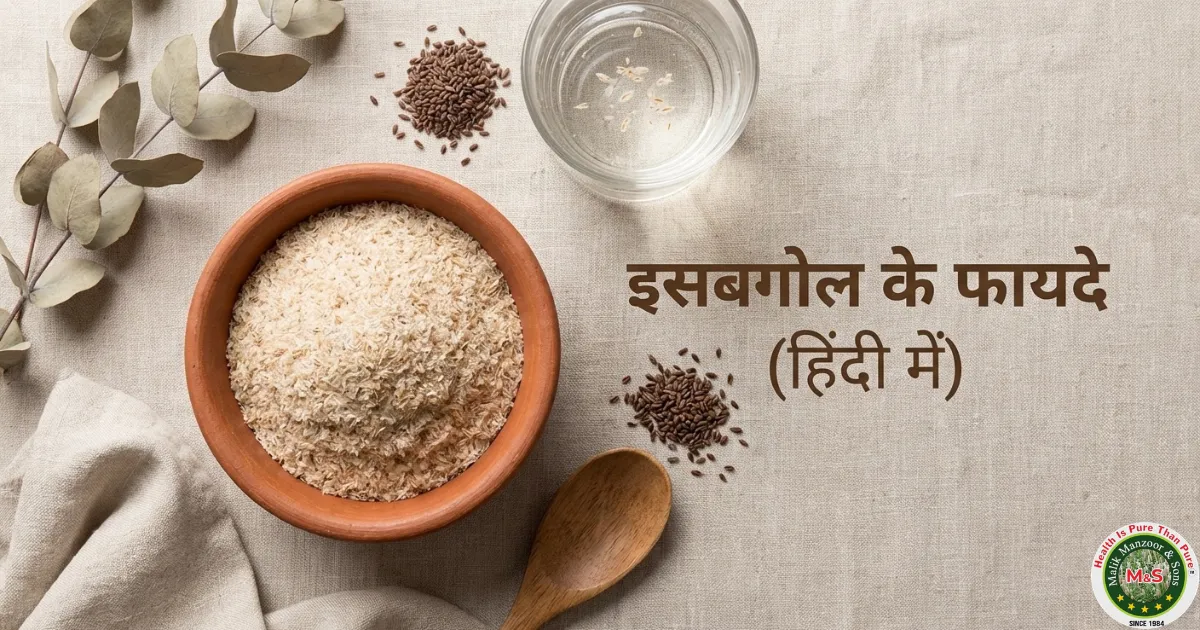
Isabgol Benefits in Hindi | Psyllium Husk Ke Fayde, Sahi Upyog Aur Savdhaniyan – 2026
Agar aap isabgol benefits in hindi mein samajhna chahte hain,