
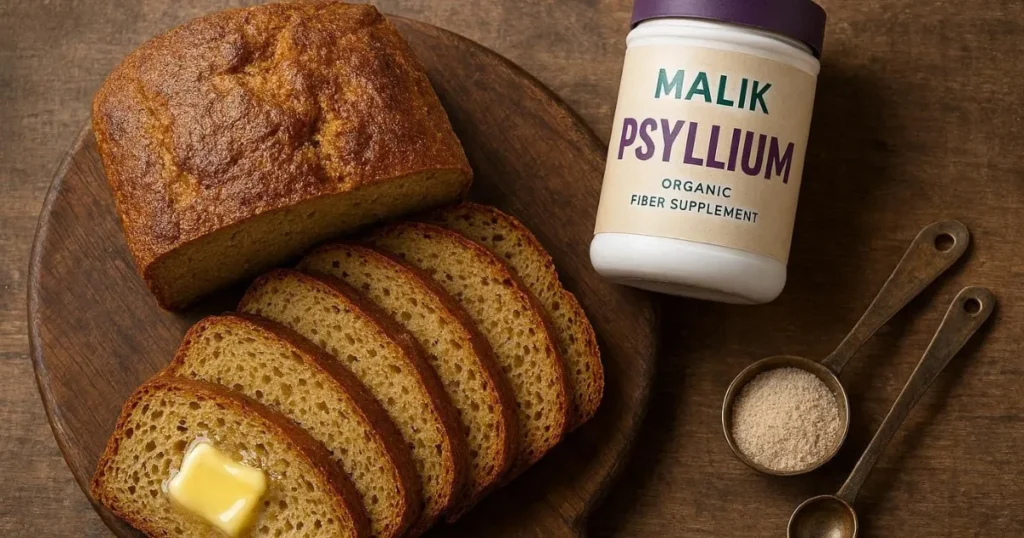
Looking for a foolproof psyllium husk bread recipe that actually tastes good and holds together? You’ve found it. Unlike most low-carb breads that crumble into dust or taste like cardboard, this psyllium husk bread recipe creates an authentic bread texture – soft inside, crusty outside, perfect for sandwiches, toast, or eating fresh with butter.
Psyllium husk transforms gluten-free and keto baking by replacing gluten’s binding properties, creating structure and elasticity that other low-carb flours simply can not achieve. The secret lies in understanding how psyllium works, using the correct proportions, and following precise techniques that guarantee success every single time.
In this comprehensive guide, I’ll share my perfected psyllium husk bread recipe with exact measurements, step-by-step instructions with timing details, essential techniques that prevent common failures, creative variations for different flavors, troubleshooting solutions for every problem, storage and freezing methods, and why quality psyllium makes the difference between mediocre and exceptional results that will make you forget you’re eating low-carb bread.
Why Psyllium Husk Works in Bread.
The Science of Binding
Traditional bread relies on gluten – wheat protein that creates structure, elasticity, and chewiness. Remove gluten for low-carb or gluten-free baking, and you lose everything that makes bread work.
Psyllium’s magic:
- Absorbs 10-12 times its weight in water
- Forms a viscous gel that mimics gluten
- Creates a structure that holds ingredients together
- Provides elasticity for rise and stretch
- Retains moisture for days
When you use psyllium in this bread recipe, you’re replacing gluten’s function through a completely different mechanism – gel formation rather than protein networks – but the results are remarkably similar.
Why This Recipe Works
Key success factors:
- Precise psyllium-to-liquid ratio
- Correct mixing technique
- Proper resting time for hydration
- Optimal baking temperature
- Quality psyllium (makes an enormous difference).
Premium Pakistani psyllium with 12:1 swelling capacity from sources like Malik Psyllium creates a superior texture compared to lower-grade alternatives with 8:1 swelling.
The Perfect Psyllium Husk Bread Recipe.
Ingredients.
Dry ingredients:
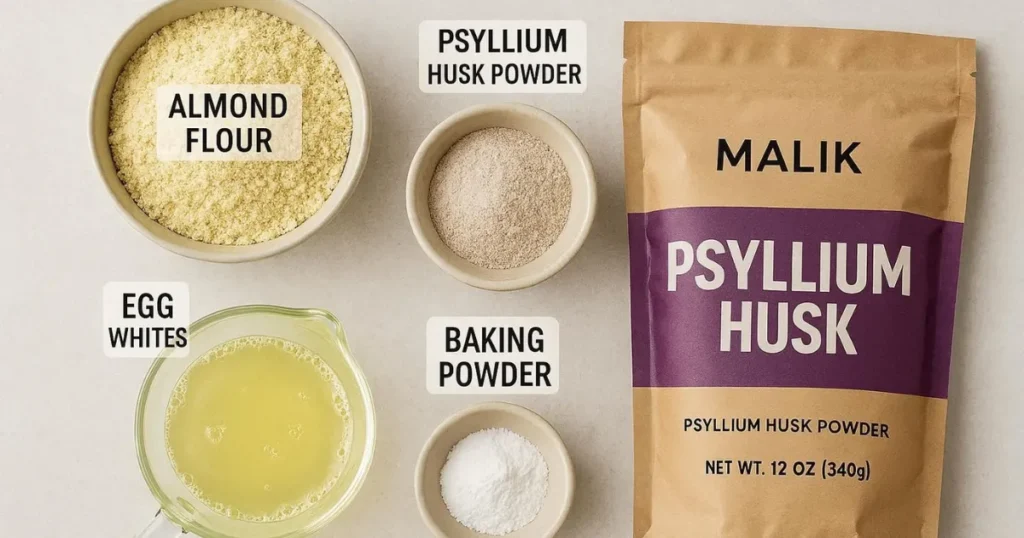
- 1 1/2 cups (150g) almond flour.
- 3 tablespoons (25g) psyllium husk powder.
- 2 teaspoons baking powder.
- 1 teaspoon salt.
- Optional: 1 tablespoon sesame seeds.
Wet ingredients:
- 3 large egg whites.
- 2 tablespoons apple cider vinegar.
- 1 cup (240ml) boiling water.
- 2 tablespoons olive oil or melted butter.
Step-by-Step Instructions.
Step 1:
Preheat oven Preheat to 350 °F (175 °C). Line a loaf pan (8.5 x 4.5 inches) with parchment paper.
Step 2:
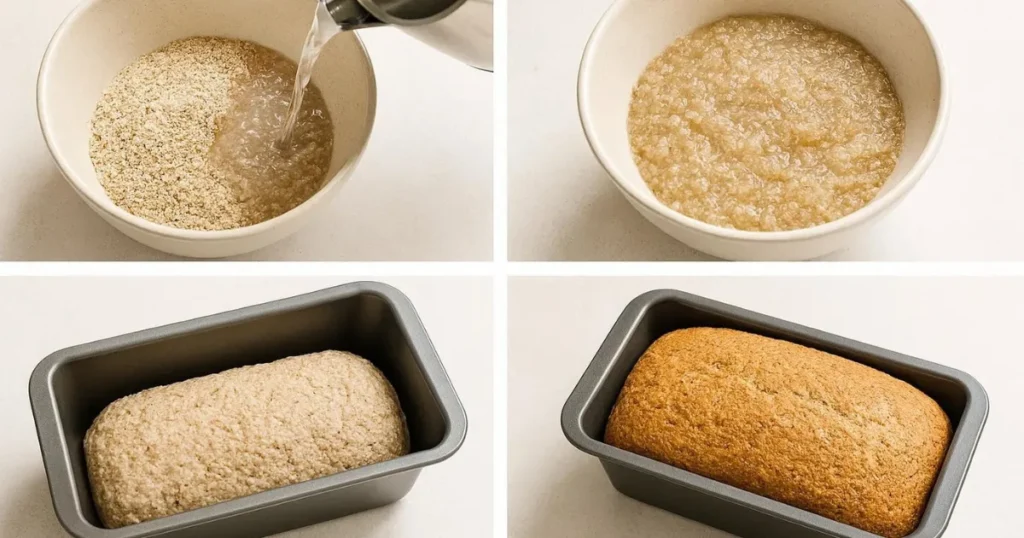
Mix dry ingredients. In a large bowl, whisk together almond flour, psyllium husk powder, baking powder, and salt. Break up any clumps thoroughly. This ensures even distribution.
Step 3:
Add wet ingredients Add egg whites, vinegar, and oil to the dry mixture. Stir to combine – it will be very thick and paste-like. This is normal.
Step 4:
Add boiling water Pour boiling water over the mixture and stir immediately. The dough will transform within seconds as psyllium absorbs water. Mix for 30-45 seconds until uniform. Work quickly – psyllium continues thickening.
Step 5:
Shape immediately. Transfer the dough to the prepared pan. Wet your hands with water and shape into a smooth loaf. Press down to fill the pan evenly. Work fast before the dough becomes too stiff.
Step 6:
Score and seed (optional). Cut 3-4 shallow slashes across the top with a sharp knife. Sprinkle with sesame seeds if desired. This creates a professional appearance and controlled expansion.
Step 7:
Bake for 50-60 minutes until golden brown and firm to the touch. Internal temperature should reach 205 °F (96 °C). Bread should sound hollow when tapped on the bottom.
Step 8:
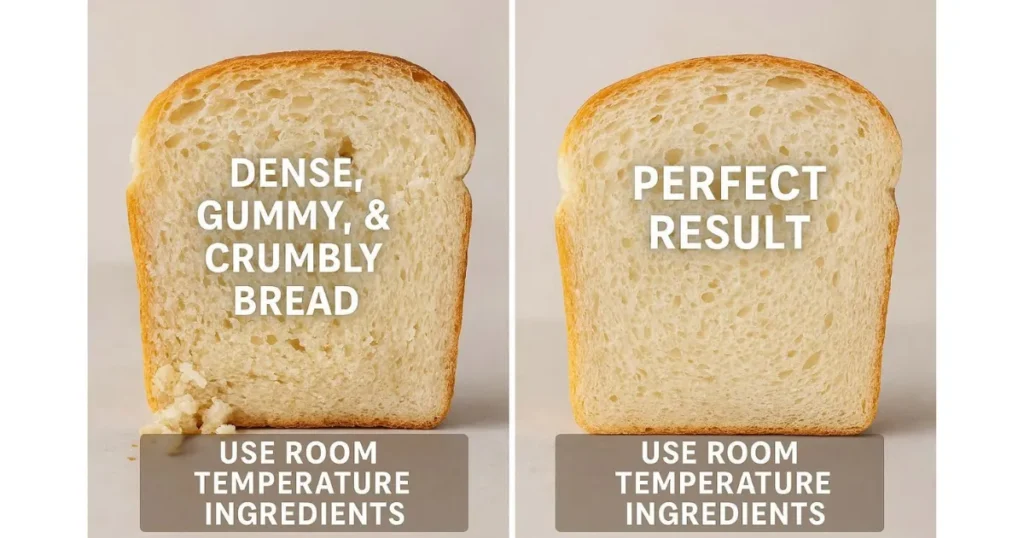
Cool completely Remove from pan immediately and cool on a wire rack for at least 1 hour. Cutting warm bread creates a gummy texture. Patience is essential.
Nutritional Information (Per Slice, 12 Slices).
- Net carbs: 1.5-2g.
- Total carbs: 6g.
- Fiber: 4-4.5 g.
- Protein: 4g.
- Fat: 7g.
- Calories: 90.
This psyllium husk bread recipe delivers an authentic bread experience with minimal carbs.
Essential Techniques for Success.
The Boiling Water Technique.
Why boiling water matters:
Hot water activates psyllium immediately, creating optimal gel structure. Cold or warm water produces an inferior texture.
Common mistake:
Using microwaved “reheated” water. Always boil fresh water for best results.
Quick Mixing.
Timing is critical:
Once you add boiling water, psyllium begins gelling immediately. You have 2-3 minutes maximum to mix and shape before the dough becomes unworkable.
Solution: Have your loaf pan ready, hands clean, and workspace clear before adding water.
The Cooling Rule.
Non-negotiable:
Let bread cool completely – minimum 1 hour, preferably 2 hours – before slicing.
Why:
Psyllium-based bread continues setting as it cools. Cutting warm bread releases steam prematurely, creating a dense, gummy texture instead of a proper crumb structure.
Creative Variations.
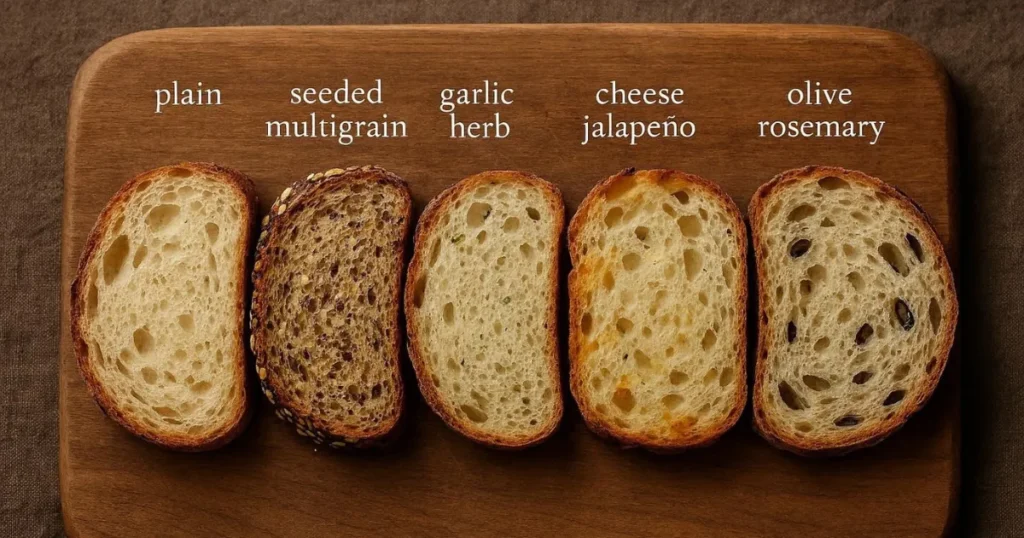
Seeded Multigrain Bread.
Add to basic psyllium husk bread recipe:
- 2 tablespoons sunflower seeds.
- 2 tablespoons pumpkin seeds.
- 1 tablespoon flax seeds.
- 1 tablespoon sesame seeds.
Fold into dough before shaping. Sprinkle extra seeds on top.
Net carbs per slice: 2-2.5 g.
Garlic Herb Bread.
- Add to basic recipe:
- 2 teaspoons garlic powder.
- 1 tablespoon dried Italian herbs.
- 2 tablespoons grated parmesan.
- 1/4 cup fresh chopped parsley.
Perfect for garlic toast or alongside Italian meals.
Net carbs per slice: 2g.
Cinnamon Raisin (Higher Carb).
Add to basic recipe:
- 2 teaspoons cinnamon.
- 2 tablespoons erythritol or monk fruit sweetener.
- 1/4 cup sugar-free dried cranberries.
This variation pushes carbs higher but remains lower than traditional bread.
Net carbs per slice: 3-4g.
Cheese Jalapeño Bread.
Add to basic recipe:
- 3/4 cup shredded cheddar cheese.
- 2 tablespoons diced jalapeños.
- 1/2 teaspoon cumin.
- 1/4 teaspoon cayenne.
Excellent for sandwiches or alongside chili.
Net carbs per slice: 2g.
Olive Rosemary Bread.
Add to basic recipe:
- 1/2 cup chopped kalamata olives.
- 2 tablespoons fresh rosemary (or 2 teaspoons dried).
- 2 tablespoons olive oil (increase wet ingredients).
Mediterranean-inspired variation with robust flavor.
Net carbs per slice: 2.5 g.
Troubleshooting Common Problems.
Problem: Bread Won’t Rise.
Causes:
- Old baking powder (loses potency after 6 months).
- Oven temperature too low.
- Insufficient mixing after adding water.
- Not enough egg whites.
Solutions:
- Use fresh baking powder.
- Verify oven temperature with thermometer.
- Mix vigorously for a full 30-45 seconds.
- Don’t skip egg whites – essential for lift.
Problem: Gummy or Undercooked Center.
Causes:
- Insufficient baking time.
- Oven too hot (outside cooks before inside).
- Too much liquid.
- Cutting before fully cooled.
Solutions:
- Bake full 50-60 minutes minimum.
- Reduce temperature to 325 °F, extend time.
- Check internal temperature (should reach 205 °F).
- Wait full an hour before slicing.
Problem: Dense, Heavy Texture.
Causes:
- Too much psyllium husk powder.
- Overmixing after water is added.
- Insufficient baking powder.
- Packed flour measurements.
Solutions:
- Measure psyllium precisely (level off spoons).
- Mix only until uniform – no more.
- Use 2 full teaspoons of baking powder.
- Spoon flour into measuring cup, level off.
Problem: Dry, Crumbly Texture.
Causes:
- Too much almond flour.
- Not enough liquid.
- Overbaked.
- Low-quality psyllium (poor water absorption).
Solutions:
- Increase water by 2-3 tablespoons.
- Reduce baking time by 5-10 minutes.
- Add 1-2 tablespoons butter or oil.
- Use premium psyllium with high swelling capacity.
Problem: Bitter or Off Taste.
Causes:
- Rancid almond flour.
- Too much baking powder.
- Low-quality psyllium with additives.
- Excessive browning.
Solutions:
- Use fresh almond flour (store in freezer).
- Measure baking powder exactly.
- Use pure, additive-free psyllium.
- Cover with foil if browning too quickly.
Problem: Purple or Green Discoloration.
Cause:
Psyllium’s phenolic compounds react with baking soda/powder in alkaline conditions. Completely harmless but unappealing.
Solutions:
- Use blonde/white psyllium husk (more expensive).
- Add 1 tablespoon of lemon juice to neutralize.
- Substitute cream of tartar for baking powder.
- -Make darker recipes (chocolate, pumpernickel).
Storage and Serving.
Room Temperature Storage.
Duration:
3-4 days maximum.
Method:
- Cool completely before storing.
- Wrap tightly in plastic wrap.
- Place in an airtight container.
- Keep in a cool, dry place.
Psyllium bread maintains moisture better than most low-carb breads, but it will gradually dry out.
Refrigerator Storage.
Duration:
7-10 days.
Method:
- Wrap in plastic wrap.
- Place in an airtight container.
- Store in main compartment (not door).
- Bring to room temperature before eating or toast.
Refrigeration extends shelf life significantly.
Freezer Storage.
Duration:
3-4 months.
Best method:
- Slice bread completely before freezing.
- Place parchment paper between slices.
- Wrap the entire loaf in plastic wrap.
- Place in freezer bag, remove air.
- Label with date.
Thawing options:
- Room temperature: 30-45 minutes per slice.
- Toaster: Directly from frozen (best method).
- Microwave: 20-30 seconds from frozen.
- Oven: 350 °F for 10 minutes from frozen.
Freezing actually improves texture slightly – less crumbly, easier to handle.
Serving Suggestions.
For breakfast:
- Toast with butter and sugar-free jam.
- Avocado toast with everything bagel seasoning.
- French toast (dip in egg-cinnamon mixture).
- Eggs Benedict base.
For lunch/dinner:
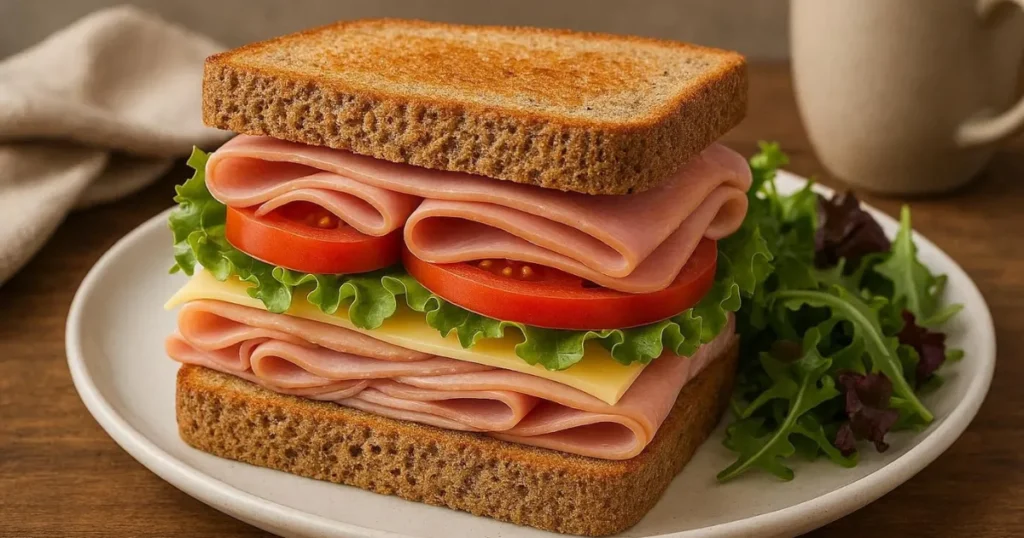
- Sandwiches (holds up perfectly).
- Grilled cheese.
- Burgers.
- Garlic bread (brush with garlic butter, broil).
For snacks:
- Bread and butter.
- Bruschetta base.
- Croutons (cube, season, bake 375 °F for 15 min).
- Breadcrumbs (process dried bread).
Why Quality Psyllium Matters.
Impact on Results.
Not all psyllium creates equal bread. Quality dramatically affects texture, rise, and final results.
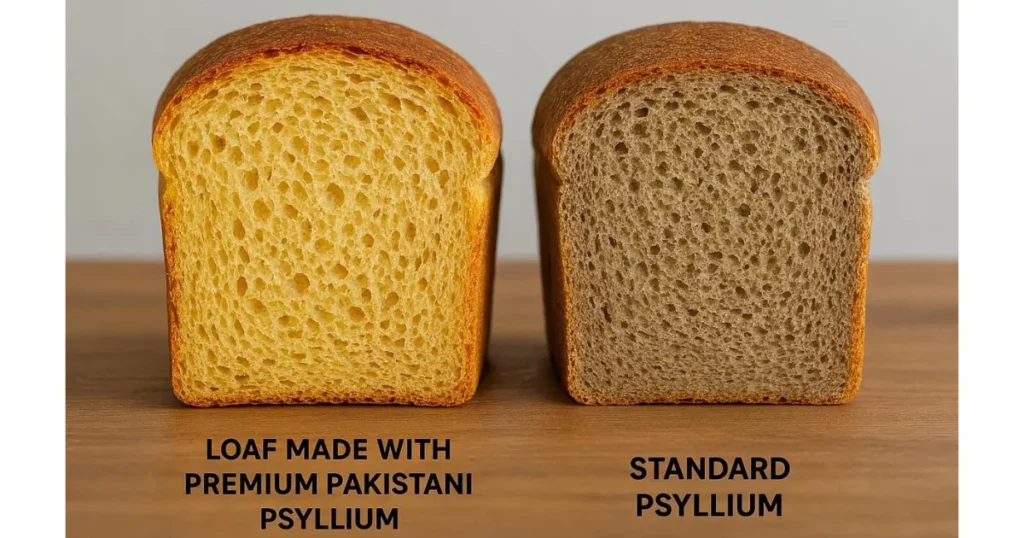
Premium Pakistani psyllium:
- 85-99% purity.
- 12:1 swelling ratio.
- Fine, uniform particle size.
- Superior gel formation.
- Better bread texture.
Standard psyllium:
- 60-75% purity.
- 8:1 swelling ratio.
- Coarser particles.
- Inconsistent results.
- Requires more product.
When using premium psyllium from Malik Psyllium, you need less for the same – or better – results in your psyllium husk bread recipe.
Testing Your Psyllium.
Simple quality test:
- Mix 1 teaspoon of psyllium with 4 ounces of water.
- Wait 5 minutes.
High-quality:
- Forms thick, uniform gel.
Low-quality:
- Thin, watery mixture with sediment.
If your bread consistently fails despite following this recipe perfectly, psyllium quality is likely the issue.
Making Psyllium Bread Rolls.
Transform this psyllium husk bread recipe into individual rolls.
Modified Instructions.
Use the same ingredient list, but:
- Divide the dough into 8 equal portions after mixing.
- Shape each into a smooth ball with wet hands.
- Flatten slightly (about 1 inch thick).
- Place on parchment-lined baking sheet.
- Score “X” on top of each roll.
- Bake 25-30 minutes at 350 °F.
Perfect for:
- Hamburger buns.
- Sandwich rolls.
- Dinner rolls.
- Slider buns.
Net carbs per roll: 2-2.5 g.
What makes a good psyllium husk bread recipe?
A good psyllium husk bread recipe uses precise psyllium-to-liquid ratios (3 tablespoons per loaf), boiling water for activation, includes baking powder for rise, and provides clear timing for mixing and cooling.
How many carbs are in psyllium husk bread?
This psyllium husk bread recipe contains 1.5-2g net carbs per slice (12 slices per loaf). Total carbs are 6g with 4-4.5 g fiber, making it keto-friendly and low-carb.
Why does my psyllium bread turn purple?
Psyllium reacts with baking powder, creating a harmless purple color. Use blonde psyllium, add lemon juice, or substitute cream of tartar to prevent discoloration. Color doesn’t affect taste.
Can I make psyllium bread without eggs?
Difficult – egg whites provide essential structure. Vegan substitutes (flax eggs) don’t work well in this recipe. For egg-free, search specifically formulated vegan psyllium bread recipes.
How long does psyllium husk bread last?
3-4 days at room temperature, 7-10 days refrigerated, or 3-4 months frozen. Slice before freezing and toast directly from frozen for best results and convenience.
What’s the best psyllium for bread baking?
Use pure psyllium husk powder (not whole husks) with 95%+ purity. Pakistani psyllium offers superior 12:1 swelling vs standard 8:1, creating better bread texture.
Can I toast psyllium husk bread?
Yes, it toasts beautifully! Toast from fresh, refrigerated, or frozen. Becomes crispy outside while staying soft inside, just like traditional bread. Perfect for breakfast.
Why is my psyllium bread gummy inside?
Insufficient baking time or cutting before fully cooled. Bake until the internal temperature reaches 205°F, and the bread sounds hollow. Always cool 1+ hour before slicing.
Conclusion.
Mastering this psyllium husk bread recipe transforms low-carb and gluten-free baking from frustrating to deeply satisfying, delivering authentic bread texture – soft interior, crusty exterior, proper structure for sandwiches – with just 1.5-2g net carbs per slice. The secret to success lies in understanding psyllium’s unique properties, using precise measurements, working quickly once boiling water is added, and allowing complete cooling before slicing. This recipe proves that dietary restrictions don’t mean sacrificing the simple pleasure of real bread.
The techniques I’ve shared – boiling water activation, rapid mixing and shaping, patient cooling, and quality ingredient selection – eliminate the common failures that plague most low-carb bread attempts. Creative variations from seeded multigrain to cheese jalapeño mean you’ll never get bored, while proper storage methods (especially freezing pre-sliced for convenience) make this psyllium husk bread recipe practical for daily use rather than occasional treats.
Quality psyllium makes the crucial difference – premium Pakistani psyllium with 85-99% purity and 12:1 swelling capacity from sources like Malik Psyllium creates superior texture, requires less product, and delivers consistent results batch after batch. Whether you’re keto, gluten-free, low-carb, or simply seeking healthier bread alternatives, this psyllium husk bread recipe provides a reliable foundation for enjoying toast at breakfast, sandwiches at lunch, and garlic bread with dinner – all while maintaining your dietary goals. The combination of precise technique, quality ingredients, and proper execution creates bread so good that even your non-dieting family members will request it regularly.

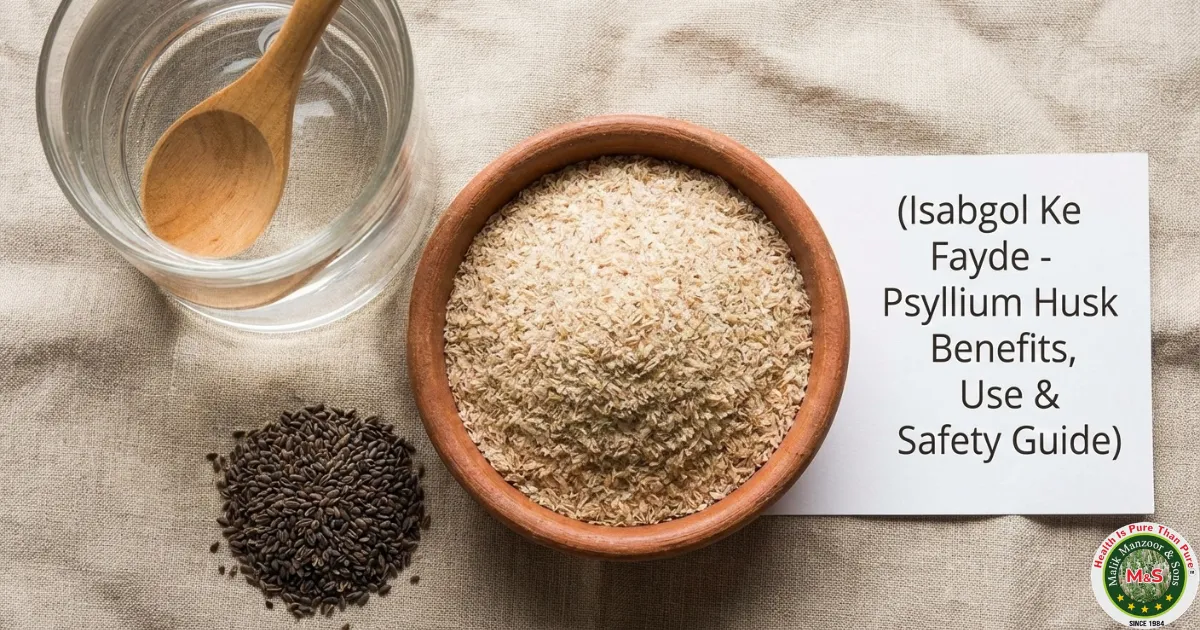
Isabgol Ke Fayde – Psyllium Husk Ke Poori Science-Based Rahnumayi – 2026
Isabgol ke fayde jaanna aaj ke daur mein zyada zaroori
Isabgol Benefits in Hindi | Psyllium Husk Ke Fayde, Sahi Upyog Aur Savdhaniyan – 2026
Agar aap isabgol benefits in hindi mein samajhna chahte hain,