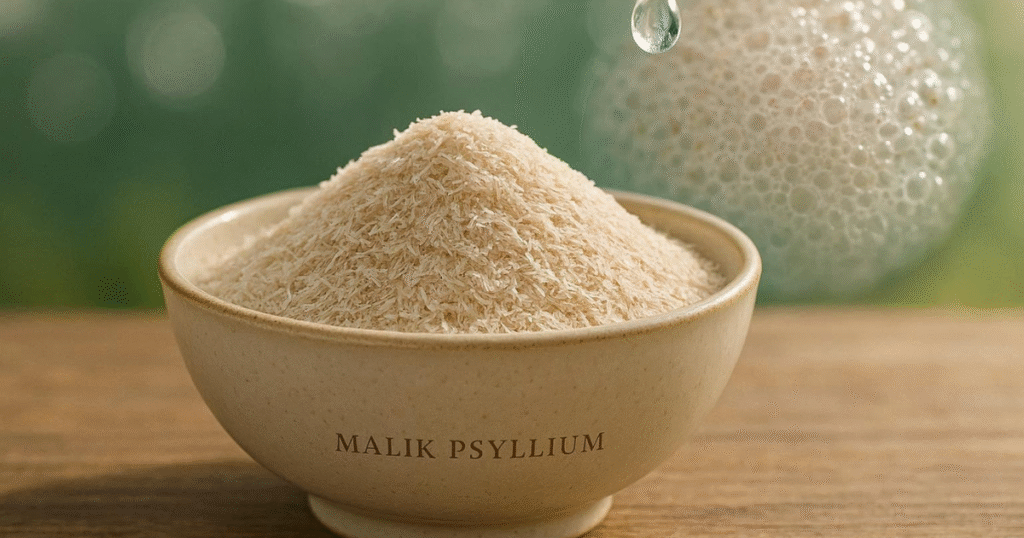
If you’re looking for a natural solution to improve digestive health, manage cholesterol, or support weight loss goals, psyllium husk fiber might be exactly what you need. This plant-based soluble fiber has been transforming lives for centuries, and modern science continues to validate its remarkable health benefits.
Understanding psyllium husk fiber content and how to use it properly can make a significant difference in your daily wellness routine. Whether you’re dealing with irregular bowel movements, trying to lower cholesterol naturally, or want to optimize your gut health, this comprehensive guide covers everything you need to know about incorporating ispaghula husk fiber into your lifestyle effectively and safely.
Understanding Psyllium Husk Fiber: The Basics
Psyllium husk fiber comes from the seed coating of Plantago ovata, a medicinal plant cultivated primarily in Pakistan’s fertile agricultural regions. The husk contains an impressive 70% soluble fiber and 30% insoluble fiber – a combination that makes it uniquely effective for various health applications.
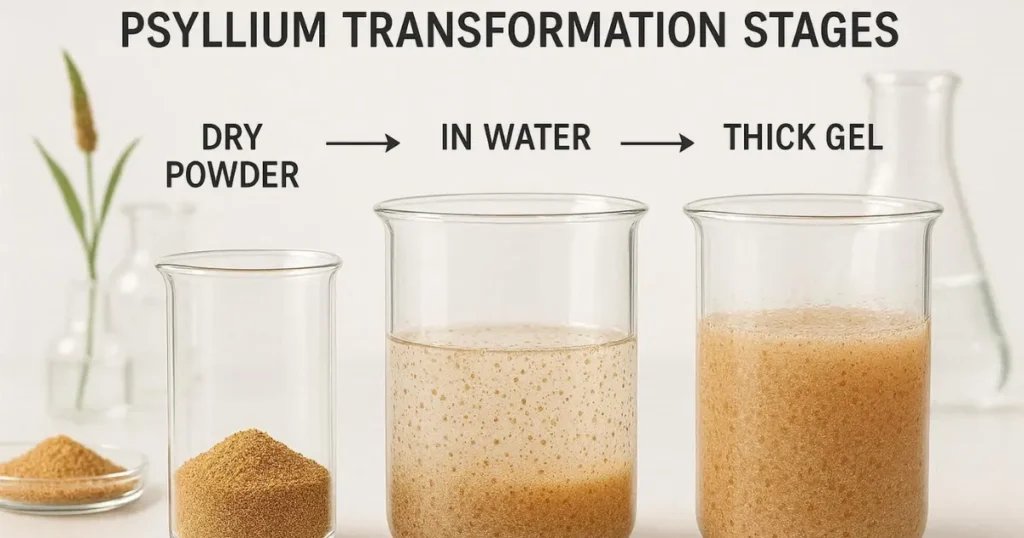
What makes psyllium special is its mucilage content. When you mix psyllium husk with water, this mucilage creates a gel-like substance that expands up to 10-14 times its original volume. This expansion happens in your digestive tract, creating bulk that promotes healthy bowel movements while slowing digestion to help stabilize blood sugar levels.
The fiber composition breaks down to approximately 7-8 grams of dietary fiber per tablespoon, with 3-5 grams being soluble fiber. This high concentration means you need only small amounts daily to experience significant health benefits.
Unlike many fiber supplements that contain synthetic or isolated fibers, psyllium husk fiber is a whole food source that your body recognizes and processes naturally. This makes it gentler on your digestive system while delivering powerful therapeutic effects backed by extensive clinical research.
The Science behind Psyllium Husk Fiber Content
Let me break down what makes the psyllium husk fiber content so therapeutically valuable from a nutritional and biochemical perspective.
Each 10-gram serving of quality psyllium contains minimal calories (about 30-35), virtually no fat or sugar, and delivers concentrated dietary fiber without unwanted additives. The soluble fiber component consists primarily of arabinoxylan polysaccharides – complex carbohydrates that form viscous gels when hydrated.
This viscosity is what drives many of psyllium’s health benefits. The gel traps bile acids, cholesterol, and glucose molecules in your intestines, slowing their absorption and forcing beneficial metabolic changes. Clinical measurements show that Pakistani psyllium consistently produces higher viscosity levels compared to varieties from other regions, indicating superior quality and potency.
The insoluble fiber portion doesn’t dissolve but adds essential roughage that mechanically stimulates your intestinal walls, promoting peristalsis – the wave-like muscle contractions that move food through your digestive system. Together, these two fiber types create synergistic effects that address multiple digestive issues simultaneously.
Research has also revealed that psyllium acts as a prebiotic, meaning it feeds beneficial bacteria in your colon. These bacteria ferment the fiber, producing short-chain fatty acids like butyrate that nourish your intestinal lining and reduce inflammation throughout your body.
Proven Health Benefits of Ispaghula Husk Fiber
The health benefits of psyllium husk fiber extend far beyond basic digestive support. Let me share the most significant advantages validated by clinical research.
Digestive Regularity and Comfort
The primary reason people start using psyllium is for constipation relief. The fiber bulk softens stool consistency and stimulates natural bowel movements without the harsh effects of stimulant laxatives. Most people experience improvement within 12-72 hours.
Interestingly, psyllium also helps with diarrhea by absorbing excess water in your intestines. This dual-action capability makes it uniquely versatile – it normalizes stool consistency regardless of whether you’re dealing with constipation or loose stools.
Cholesterol Management
Multiple studies demonstrate that consuming 7-10 grams of psyllium daily can reduce LDL (bad) cholesterol by 5-10%. The soluble fiber binds to cholesterol and bile acids, preventing their reabsorption and forcing your liver to use existing cholesterol stores to produce more bile acids.
This mechanism provides a natural, drug-free approach to managing cardiovascular risk factors. I’ve worked with nutritionists who specifically recommend psyllium husk powder as part of heart-healthy dietary protocols.
Blood Sugar Control
The gel formed by psyllium slows carbohydrate digestion and glucose absorption, preventing rapid blood sugar spikes after meals. Research shows this is particularly beneficial for people with type 2 diabetes or prediabetes, potentially reducing insulin requirements over time when used consistently.
Weight Management Support
Because psyllium expands in your stomach, it creates feelings of fullness that can help reduce overall calorie intake naturally. People who take psyllium before meals often report eating smaller portions without feeling deprived or hungry between meals.
Gut Microbiome Health
Recent microbiome research reveals that psyllium feeds beneficial bacteria species, promoting a healthier, and more diverse gut ecosystem. This contributes to improved immune function, better nutrient absorption, and reduced systemic inflammation.

How to Use Psyllium Husk Fiber Correctly
Proper usage makes all the difference between experiencing excellent results and dealing with uncomfortable side effects. Here’s my practical guidance based on years of customer feedback and clinical recommendations.
Starting Dosage
Begin with just 5 grams (approximately one teaspoon) once daily, preferably in the morning. Mix it thoroughly with at least 8 ounces of water, juice, or your favorite beverage. Stir vigorously for 10-15 seconds, then drink immediately before it thickens too much.
After 3-4 days, if you’re tolerating it well, you can increase to twice daily – morning and evening. Never exceed 30 grams daily without medical supervision.
Mixing Techniques
The key to preventing clumping is adding psyllium to liquid first, not the other way around. Stir quickly and drink promptly. Always follow with an additional full glass of water.
You can also mix psyllium into:
- Smoothies (blend thoroughly for 30+ seconds).
- Yogurt or kefir.
- Oatmeal or cereal.
- Soup or stew (add just before serving).
- Protein shakes.
Critical Timing Considerations.
Take psyllium husk at least 2 hours before or after medications and supplements. The fiber can interfere with the absorption of certain drugs, including diabetes medications, thyroid hormones, antidepressants, and blood thinners.
For optimal digestive benefits, consistency matters more than timing. Choose a schedule you can maintain daily – your gut adapts to routine.
Hydration is Essential.
This cannot be overstated: drink at least 8-10 glasses of water throughout the day when using psyllium regularly. Insufficient fluid intake can cause the fiber to swell and potentially create blockages in your esophagus or intestines.

Why Pakistani Psyllium Leads in Global Quality.
Quality differences in psyllium sources are substantial, and understanding these distinctions helps you make informed choices.
Pakistan produces approximately 80% of the world’s premium psyllium husk, and this dominance isn’t accidental. The country’s unique climate conditions, soil mineral composition, and generations of specialized cultivation expertise create optimal growing environments that other regions struggle to replicate.
Pakistani psyllium consistently shows higher mucilage content – typically 12-15% compared to 8-10% from other origins. This translates directly to better gel formation, higher purity levels, and more reliable therapeutic effects. Laboratory testing consistently confirms these quality differences.
The psyllium grown in Pakistan’s Sindh and Punjab provinces benefits from:
- Ideal temperature ranges during growing seasons.
- Specific soil pH levels that optimize mucilage production.
- Traditional cultivation knowledge is passed through generations.
- Stricter quality control standards in processing facilities.
At Malik Psyllium, our quality protocols include testing for mucilage content, swelling index (must exceed 40), purity levels (minimum 98%), microbial contamination, heavy metals, and pesticide residues. These comprehensive tests ensure pharmaceutical-grade quality in every batch.

Common Myths about Psyllium Husk Fiber.
Let me address several misconceptions I encounter regularly about psyllium and fiber supplementation.
Myth: Psyllium Causes Laxative Dependency.
This is completely false. Unlike stimulant laxatives that can weaken your intestinal muscles over time, psyllium is a bulk-forming fiber that supports your body’s natural digestive processes. It doesn’t make your bowels “lazy” or dependent.
Myth: All Fiber Supplements Are Identical.
Not true. The unique gel-forming property of psyllium husk fiber makes it fundamentally different from insoluble fibers like wheat bran or synthetic fibers like methylcellulose. Each fiber type has distinct mechanisms and benefits.
Myth: More Fiber Always Equals Better Results.
Excessive fiber intake (over 50-70 grams daily) can actually cause problems, including bloating, gas, mineral absorption issues, and intestinal discomfort. The goal is adequate fiber intake, not maximum fiber intake.
Myth: Psyllium Removes Beneficial Nutrients.
When taken properly (separated from meals by 1-2 hours), psyllium doesn’t significantly affect nutrient absorption. Any temporary mineral binding is minimal and not clinically significant for people eating balanced diets.
Myth: Organic Automatically Means Higher Quality.
Organic certification relates to farming practices, not necessarily fiber content or purity. The most important quality indicators for psyllium are mucilage percentage, swelling index, and purity testing – factors independent of organic status.
Myth: You Can Get Enough Fiber from Food Alone.
While whole foods should be your primary fiber source, most people consume only 15-20 grams daily – well below the recommended 25-38 grams. Supplementation with ispaghol helps bridge this gap efficiently.
Understanding Different Forms of Psyllium.
Not all psyllium products are created equal. Understanding the variations helps you choose the right form for your specific needs.
Whole Husk vs. Husk Powder.
Whole husk consists of larger fiber pieces that absorb water more slowly, creating a less viscous gel. Some people find this texture easier to consume. Husk powder is finely ground, absorbing water rapidly and forming a thicker, more viscous gel.
For cholesterol and blood sugar management, research typically uses husk powder because its finer particles maximize gel surface area. For general digestive health, either form works effectively – choose based on your texture preferences.
Purity Levels Matter.
Commercial psyllium comes in different purity grades:
- 85% purity: Contains more seed material, more affordable.
- 95% purity: Standard pharmaceutical grade.
- 98-99% purity: Premium grade with minimal seed content.
Higher purity means more fiber per gram and less non-fiber material. I maintain 98-99% purity standards because quality directly impacts results.
Flavored vs. Unflavored.
Flavored psyllium products often contain added sugars, artificial sweeteners, or flavor enhancers. For people managing blood sugar or following clean eating principles, unflavored psyllium offers more flexibility – you control what’s added.
Potential Side Effects and How to Minimize Them.
Transparency about potential side effects helps you use psyllium safely and effectively.
Initial Adjustment Period.
When first introducing psyllium husk fiber, expect possible:
- Mild bloating.
- Increased gas production.
- Temporary stomach cramping.
- Changes in bowel movement frequency.
These effects typically resolve within 3-7 days as your digestive system adapts. Starting with a lower dose and increasing gradually minimizes discomfort significantly.
Allergic Reactions.
Though rare, some individuals develop allergic responses to psyllium, particularly those with existing grass or melon allergies. Warning signs include skin rashes, hives, difficulty breathing, or facial swelling. Discontinue use immediately if these occur and seek medical attention.
Choking Risk.
Dry psyllium can swell rapidly in your throat if not properly mixed with adequate liquid. This is why thorough mixing with at least 8 ounces of fluid and drinking additional water afterward is essential – never consume dry powder directly.
Medication Interactions.
Psyllium can reduce the absorption of several medications, including carbamazepine, lithium, digoxin, and warfarin. The 2-hour separation rule protects against these interactions while allowing you to benefit from both your medications and fiber supplementation.
Who Should Avoid Psyllium?
Consult healthcare providers before using psyllium if you have:
- Difficulty swallowing (dysphagia).
- Bowel obstructions or intestinal narrowing.
- Appendicitis or undiagnosed abdominal pain.
- Recent gastrointestinal surgery.
- Phenylketonuria (some products contain aspartame).
Psyllium in Modern Diet and Lifestyle Applications.
Psyllium husk fiber adapts beautifully to various dietary approaches and lifestyle patterns.
Low-Carb and Ketogenic Diets.
With only 1-2 net carbs per serving, psyllium fits perfectly into low-carb macros while addressing constipation – a common issue on these diets. Many keto recipe developers use psyllium in baking to create bread-like textures without grains.
Intermittent Fasting Protocols.
During eating windows, taking psyllium before meals enhances satiety and prevents overeating. Some people consume it during fasting periods mixed with water to curb hunger without breaking their fast, since it contains negligible calories.
Plant-Based and Vegan Diets.
While plant-based diets typically provide adequate total fiber, adding concentrated soluble fiber like psyllium offers specific benefits for cholesterol management – particularly important for those not consuming omega-3-rich fish.
Athletic Performance.
Athletes use psyllium to maintain digestive regularity despite high caloric intakes and training stress. The sustained energy from improved blood sugar stability also supports endurance performance during long training sessions or competitions.
Pregnancy and Postpartum.
Constipation affects 11-38% of pregnant women due to hormonal changes and prenatal vitamins. Ispaghula husk fiber provides a safe, non-stimulant solution generally considered appropriate during pregnancy, though always consult your obstetrician first.
Quality Testing Standards for Premium Psyllium.
Understanding quality testing helps you identify superior psyllium products.
Every batch of premium psyllium undergoes comprehensive laboratory analysis, including:
Swelling Index Testing:
Measures water absorption capacity. Quality psyllium should exceed 40, meaning it swells to more than 40 times its dry volume.
Viscosity Measurements:
Using rotational viscometers, we measure gel strength. Higher viscosity correlates directly with better therapeutic efficacy for cholesterol and blood sugar management.
Purity Analysis:
Acid insoluble ash testing indicates sand and soil content. Premium products should be below 2%. Water-soluble extractive measures soluble fiber content, which should exceed 8%.
Microbial Safety:
Testing for total plate count, yeast, mold, E. coli, Salmonella, and other pathogens ensures products meet or exceed FDA and European Pharmacopoeia standards.
Heavy Metal Screening:
Tests for lead, arsenic, mercury, and cadmium protect consumers from environmental contaminants that can accumulate in agricultural products.
Storage Guidelines for Maximum Freshness.
Proper storage preserves psyllium husk fiber content and effectiveness over time.
Store psyllium in cool, dry locations below 25°C (77°F) in airtight containers away from direct sunlight. Humidity is psyllium’s primary enemy – moisture causes clumping and can promote mold growth.
In humid climates, consider adding silica gel packets to your storage container. Check for degradation signs, including off odors, persistent clumping, color darkening, or reduced swelling when mixed with water.
Properly stored psyllium maintains quality for 24-36 months (whole husk) or 18-24 months (ground powder). Pre-mixed flavored products typically last 12-18 months.
Expert Tips for Optimal Results.
After decades of experience, here are my top recommendations for maximizing the benefits of psyllium husk fiber.
Consistency Trumps Intensity:
Taking moderate doses daily consistently produces better results than sporadic high doses. Your digestive system responds best to predictable fiber intake patterns.
Track Your Response:
Keep a simple log of dosage, timing, and digestive responses for the first two weeks. This helps identify your optimal routine and catch potential issues early.
Combine with Probiotics:
Psyllium feeds beneficial bacteria, but combining it with probiotic supplements or fermented foods amplifies gut health benefits substantially.
Don’t Replace Whole Foods:
Psyllium is supplemental – it shouldn’t replace fiber-rich vegetables, fruits, legumes, and whole grains. Aim for dietary diversity while using psyllium to reach fiber intake goals.
Adjust for Individual Needs:
Some people thrive on 5 grams daily, while others need 15-20 grams for optimal results. Listen to your body and adjust accordingly based on your response.
Comparing Psyllium to Alternative Fiber Sources.
Understanding how psyllium husk fiber compares to other fiber options helps you make informed choices.
Psyllium vs. Flaxseed:
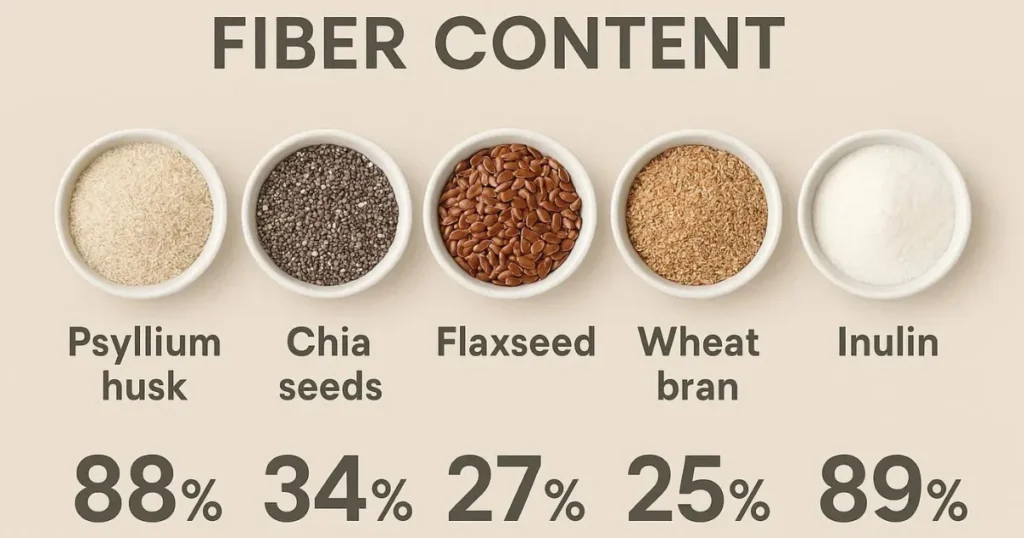
Flaxseed offers omega-3s and lignans alongside fiber, providing additional nutritional value. However, psyllium has much higher soluble fiber content and superior gel-forming properties for digestive regularity.
Psyllium vs. Chia Seeds:
Chia provides protein and omega-3s with fiber – more nutritionally complete. But psyllium offers more concentrated fiber per calorie and is more cost-effective for purely digestive purposes.
Psyllium vs. Methylcellulose:
Methylcellulose is synthetic and doesn’t ferment in the colon, producing less gas. However, it lacks the cholesterol-lowering and blood sugar benefits of natural psyllium.
Psyllium vs. Inulin:
Inulin feeds gut bacteria but doesn’t provide bulk-forming action. Many people experience significant gas with inulin. The two work well together – psyllium for regularity, inulin for microbiome support.
Psyllium vs. Wheat Bran:
Wheat bran is primarily insoluble fiber, excellent for stool bulk but lacking the metabolic benefits of psyllium’s soluble fiber. It can also irritate sensitive digestive systems and contains gluten.
What is psyllium husk fiber, and how does it work in your body?
Psyllium husk fiber is the outer coating of Plantago ovata seeds, containing 70% soluble fiber. When mixed with water, it forms a gel that adds bulk to stool and slows digestion, promoting regularity and stabilizing blood sugar levels naturally through mechanical and biochemical actions.
How much psyllium husk fiber should I take daily for the best results?
Start with 5 grams (one teaspoon) mixed in 8 ounces of water once daily. After 3-4 days, increase to twice daily if tolerated well. Never exceed 30 grams daily. Always drink additional water after consumption for safety and effectiveness.
What’s the difference between whole psyllium husk and husk powder?
Whole husk contains larger fiber particles that absorb water slowly, creating a less viscous gel. Powder is finely ground, absorbing water rapidly and forming a thicker gel with stronger viscosity. Powder shows better results for cholesterol and blood sugar management in research studies.
Can psyllium husk fiber help with both constipation and diarrhea?
Yes, psyllium normalizes stool consistency in both directions. For constipation, it adds bulk and softens stool. For diarrhea, it absorbs excess water and firms loose stools. This dual action comes from its unique mucilage content and gel-forming capability.
Does psyllium husk fiber interfere with medications or supplements?
Yes, psyllium can reduce the absorption of certain medications, including diabetes drugs, thyroid hormones, antidepressants, and blood thinners. Always take psyllium at least 2 hours before or after any medications or supplements to prevent interference with absorption rates.
Is ispaghula husk fiber the same as psyllium husk fiber?
Yes, they’re identical. Ispaghula and psyllium are different names for fiber from Plantago ovata. “Ispaghula” is used more commonly in South Asian regions, while “psyllium” is the international scientific name. Both offer the same health benefits and properties.
Can I use psyllium husk fiber on a ketogenic or low-carb diet?
Absolutely. Psyllium contains only 1-2 net carbs per serving, making it perfect for keto and low-carb diets. It addresses constipation common on these diets while providing digestive support without impacting ketosis or raising blood sugar significantly.
How long before I see results from taking psyllium husk fiber regularly?
Most people notice improved bowel regularity within 12-72 hours. Cholesterol-lowering effects appear after 2-4 weeks of consistent use. Blood sugar benefits develop over 4-8 weeks. Full digestive optimization may take 1-2 months as your gut adapts.
Conclusion.
Psyllium husk fiber stands out as one of the most versatile, research-backed natural solutions for digestive health, cholesterol management, blood sugar control, and overall wellness. Its unique combination of soluble and insoluble fiber, coupled with exceptional gel-forming properties, delivers benefits that few other fiber sources can match.
The key to success lies in understanding that quality matters enormously, proper usage is essential, and patience allows your body to adapt naturally. Whether you’re addressing specific digestive concerns, managing cardiovascular risk factors, supporting weight loss goals, or simply optimizing your gut health, psyllium offers evidence-based benefits backed by decades of clinical research.
Pakistan’s superior growing conditions produce the world’s finest psyllium, with higher mucilage content and better therapeutic efficacy than alternatives from other regions. By choosing quality sources and following proper usage guidelines, you can experience the full spectrum of benefits this remarkable plant fiber provides.
Start with a small dose, stay well-hydrated, maintain consistency, and give your body 1-2 weeks to adapt. The improvements in digestive comfort, metabolic health, and overall wellness are well worth the minimal effort required.

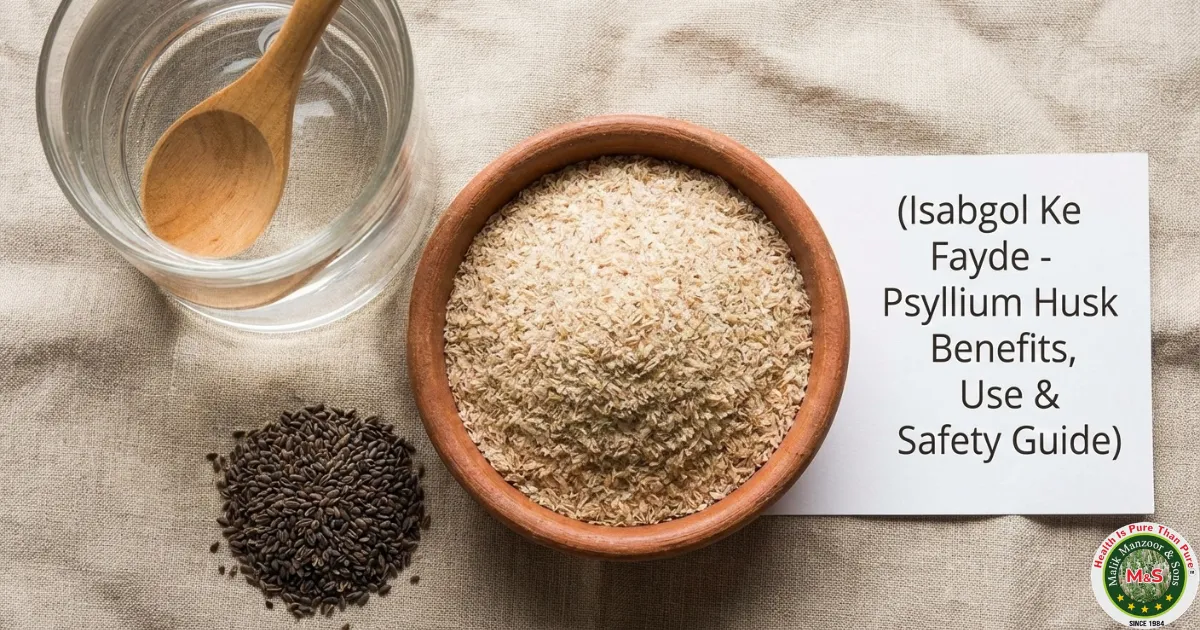
Isabgol Ke Fayde – Psyllium Husk Ke Poori Science-Based Rahnumayi – 2026
Isabgol ke fayde jaanna aaj ke daur mein zyada zaroori
Isabgol Benefits in Hindi | Psyllium Husk Ke Fayde, Sahi Upyog Aur Savdhaniyan – 2026
Agar aap isabgol benefits in hindi mein samajhna chahte hain,